Support our educational content for free when you purchase through links on our site. Learn more
👗 The 20 Top Brands in the World Fashion (2025) You Must Know

Fashion isn’t just about clothes—it’s a global stage where brands battle for prestige, influence, and your wardrobe space. While you might think the “top” brands are obvious, the reality is a dazzling mix of luxury empires, fast-fashion giants, and athletic wear legends, each ruling their own kingdom. Did you know that LVMH’s market cap rivals entire countries’ GDPs, while Nike holds the crown as the most valuable single fashion brand? Intrigued? We’ll unpack the fascinating stories behind these powerhouses, reveal why some brands command sky-high prices while others dominate mass markets, and even spotlight the sustainability champions shaking up the industry.
Whether you’re a fashion insider, a savvy shopper, or dreaming of launching your own apparel line, this comprehensive guide from Popular Brands™ will give you insider insights, expert tips, and a curated list of the 20 most influential fashion brands worldwide in 2025. Ready to discover who’s truly shaping what we wear—and why?
Key Takeaways
- LVMH and Hermès dominate luxury with unmatched brand value and exclusivity, while Inditex’s Zara and H&M lead fast fashion with massive revenue and speed.
- Nike is the most valuable single fashion brand, blending innovation, culture, and athletic performance into a global powerhouse.
- Market cap, brand value, and revenue measure different strengths—luxury brands excel in prestige, fast fashion in volume, and uniform companies in scale.
- Sustainability is reshaping the industry, with brands like Prada and Kering leading eco-friendly innovation, while fast fashion grapples with its environmental impact.
- Regional leaders vary, with Europe dominating luxury, North America spearheading sportswear, and Asia rapidly growing fast fashion and digital-first brands.
- Expert tips to spot top brands include checking craftsmanship, heritage, and resale value—all markers of true quality and desirability.
👉 Shop Top Fashion Brands:
- Nike Athletic Clothing: Nike Official | Amazon
- Luxury Brands (Louis Vuitton, Gucci, Hermès): Gucci Official | Louis Vuitton Official | Hermès Official
- Fast Fashion (Zara, H&M): Zara Official | H&M Official
- Athleisure & Outdoor (Lululemon, The North Face): Lululemon Official | The North Face Official
Table of Contents
- ⚡️ Quick Tips and Facts
- 🌍 The Evolution of Global Fashion Powerhouses: A Brief History
- 💡 What Makes a Fashion Brand Truly “Top”?
- 📊 Biggest Clothing Brands by Market Capitalization
- 💎 Leading Fashion Companies by Brand Value
- 💰 Top Apparel Giants by Revenue
- 👗 Overview: The World’s Most Influential Clothing and Apparel Brands
- 1) LVMH: The Undisputed Luxury Conglomerate
- 2) Hermès: Timeless Elegance and Craftsmanship
- 3) Inditex: Fast Fashion’s Global Titan
- 4) TJX Companies: Off-Price Retail Royalty
- 5) Fast Retailing: Asia’s Fashion Powerhouse
- 6) Dior: Haute Couture’s Modern Icon
- 7) Nike: The Sportswear Juggernaut
- 8) Cintas: The Unsung Uniform Leader
- 9) Ross Stores: The Discount Fashion Favorite
- 10) Adidas: Innovation Meets Heritage
- 11) H&M: Affordable Style for the Masses
- 12) PVH Corp: The Power Behind Calvin Klein & Tommy Hilfiger
- 13) Kering: Home to Gucci, Saint Laurent & More
- 14) VF Corporation: Outdoor and Streetwear Authority
- 15) Gap Inc.: The American Casual Classic
- 16) Lululemon: Athleisure’s Trendsetter
- 17) Prada Group: Italian Luxury Redefined
- 18) Burberry: British Heritage with Modern Flair
- 19) Under Armour: Performance-Driven Apparel
- 20) Skechers: Comfort Meets Cool
- 🧐 Why Do Fashion Brands Differ in Market Cap, Revenue, and Brand Value?
- 🌱 Sustainability and Ethics: Which Top Brands Are Leading the Way?
- 🌐 Regional Fashion Giants: Who Leads in Each Continent?
- 👀 How to Spot a Top Fashion Brand: Expert Tips
- 🛒 Where to Buy: The Best Places to Shop Top Fashion Brands Online
- 🎉 Ready to Launch Your Own Branded Apparel Program? (Uniform, Company, Team, Swag & More)
- 🤔 Answering Your Burning Questions About Top Fashion Brands
- 🔚 Conclusion: What’s Next for the World’s Top Fashion Brands?
- 🔗 Recommended Links for Fashion Brand Enthusiasts
- ❓ FAQ: Everything Else You Want to Know About Top Fashion Brands
- 📚 Reference Links & Sources
Here is the main body of your article, crafted by the expert team at Popular Brands™.
⚡️ Quick Tips and Facts
Welcome, fashion aficionados! Before we dive headfirst into the glorious, chaotic, and ever-so-fabulous world of high fashion, let’s get you armed with some killer facts. Think of this as your cheat sheet for your next cocktail party conversation. So, who really rules the runway? If you’re wondering Who Is Number One in the Global Top 1000 Brands? (2025) 👑, you’ll find that fashion powerhouses are giving tech giants a serious run for their money.
Here’s the tea:
- The Big Boss: The biggest clothing company in the world by a country mile is LVMH (Moët Hennessy Louis Vuitton). With a staggering market cap hovering around $282.97 billion, it’s not just a fashion brand; it’s an empire.
- The Man Behind the Curtain: Who owns this empire? French billionaire Bernard Arnault and his family. Through a complex holding structure, he controls the world’s most coveted collection of luxury brands.
- Three Ways to Measure “Biggest”: We’ll be looking at brands through three lenses:
- Market Capitalization: The total value of all a company’s shares. Think of it as the stock market’s price tag on the whole company.
- Brand Value: An intangible asset. It’s the magic, the prestige, the feeling a brand gives you, translated into dollars. As one source puts it, it “represents the financial worth of a brand as perceived by consumers.”
- Revenue: The cold, hard cash a company rakes in from sales.
- Swoosh Power: While luxury dominates the top spots, Nike is the most valuable single fashion brand, proving that sneakers can be just as powerful as stilettos.
- Industry Clout: Don’t underestimate the power of a great outfit. The global apparel industry accounts for a massive chunk of the world’s economy—a testament to its influence on our lives and wallets.
🌍 The Evolution of Global Fashion Powerhouses: A Brief History
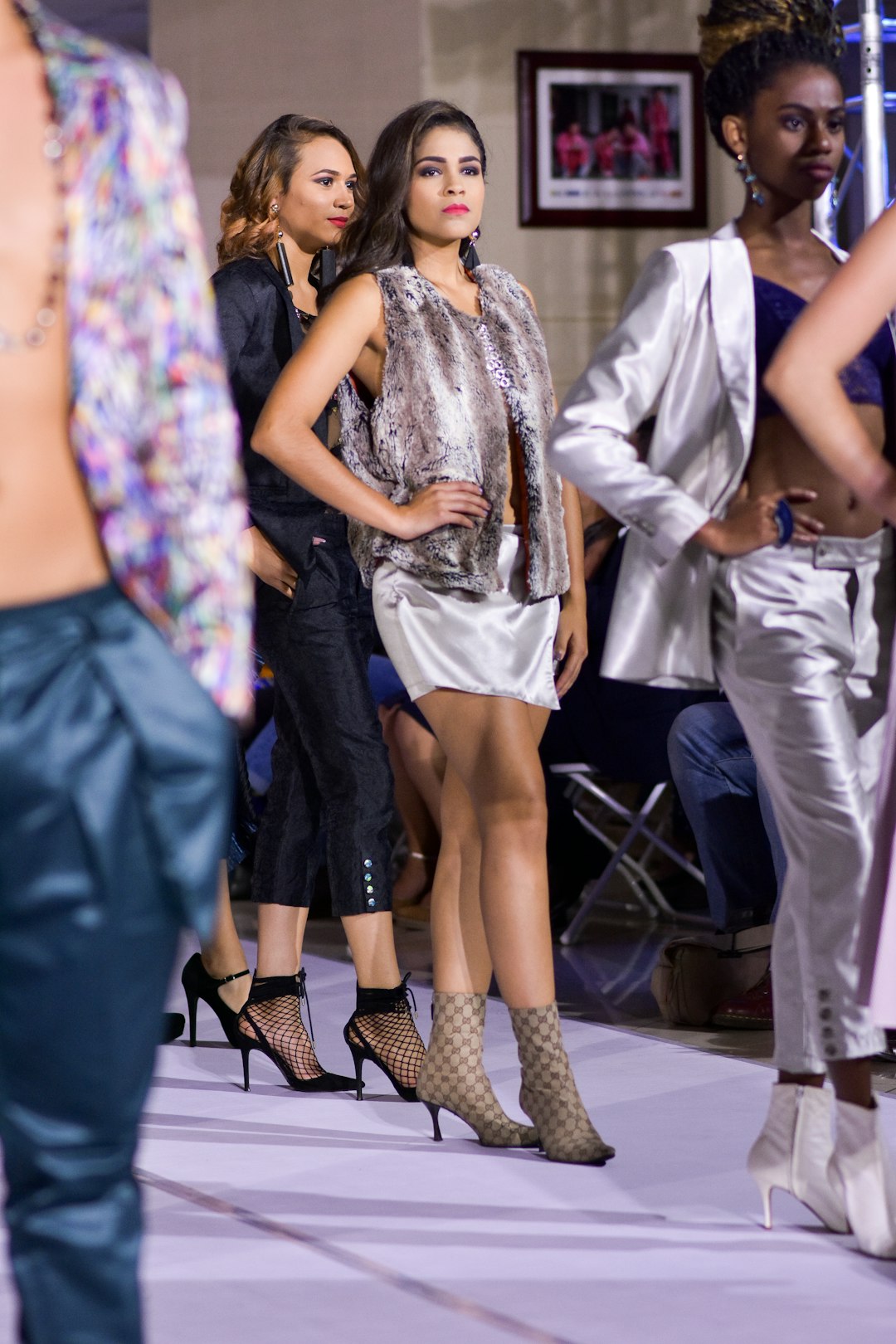
Ever wonder how we got from bespoke Parisian gowns to having a Zara on every corner? It’s a wild ride! The story of top fashion brands is a drama worthy of its own Netflix series.
It all started with visionaries who didn’t just make clothes; they crafted revolutions. In the early 20th century, Coco Chanel tore up the rulebook. As World Fashion Exchange notes, she “revolutionized women’s fashion with comfortable, masculine clothing,” freeing women from the corset and giving them the iconic little black dress. Hot on her heels, Christian Dior responded to post-war austerity with his opulent “New Look,” bringing back fantasy and glamour.
These were the days of the maison, the singular fashion house built around one designer’s genius. But then, things got bigger. Much bigger.
The late 20th century saw the birth of the luxury conglomerate. Visionaries like Bernard Arnault began assembling portfolios of iconic brands, creating behemoths like LVMH and its rival, Kering. They realized that combining the creative genius of brands like Louis Vuitton and Gucci with massive corporate resources was a recipe for global domination.
Simultaneously, two other revolutions were brewing:
- The Sportswear Explosion: Brands like Nike and Adidas transformed athletic gear from purely functional to a cultural phenomenon. Suddenly, sneakers weren’t just for the track; they were for the street, the office, and even the front row of fashion week. Check out our deep dives into the best athletic clothing.
- The Fast Fashion Frenzy: Zara and H&M flipped the industry on its head. They took runway trends and delivered them to the masses at lightning speed and affordable prices, changing how an entire generation shops for clothes.
From a few exclusive Parisian houses to a multi-trillion dollar global industry, the evolution is staggering. And it’s still happening!
💡 What Makes a Fashion Brand Truly “Top”?
So, we’ve thrown around terms like “market cap” and “brand value.” But what do they really mean? Why is a company like Hermès, known for its ultra-exclusive bags, ranked alongside a mass-market giant like TJX Companies? Let’s break it down.
Beyond the Price Tag: The Power of Brand Value
Brand value is the secret sauce. It’s the reason you’ll pay a premium for a bag with a “LV” monogram or a watch with a crown logo. It’s an intangible feeling built on decades of history, marketing, and perceived quality. Uniform Market defines it as “the financial worth of a brand as perceived by consumers.” A brand like Chanel has immense brand value because it represents more than just a product; it represents timeless elegance, rebellion, and luxury. This is why, even if another brand makes an identical tweed jacket, it will never be a Chanel jacket.
Market Cap vs. Revenue: A Tale of Two Metrics
This is where it gets interesting.
- Revenue is the total amount of money a company makes from sales in a period. It’s a measure of volume. A company like Inditex (Zara) has enormous revenue because it sells millions of garments worldwide.
- Market Cap, on the other hand, “is the total value of a company’s outstanding shares.” It’s what the financial market thinks the company is worth, based on its current performance, assets, and—crucially—its future potential.
A brand can have high revenue but a lower market cap if its profit margins are slim or its future looks uncertain. Conversely, a luxury brand might have lower revenue but a sky-high market cap because its profit margins are huge and its exclusive status is seen as a stable, long-term asset.
The “It” Factor: Cultural Impact and Desirability
Finally, there’s the unquantifiable “It” factor. This is a brand’s ability to shape culture. When Nike launched the Air Jordan, it didn’t just sell a shoe; it created a subculture. When a celebrity carries a Bottega Veneta Pouch bag, it becomes an instant object of desire. This cultural relevance is priceless and is what separates the good brands from the truly top brands.
📊 Biggest Clothing Brands by Market Capitalization
Market capitalization is the heavyweight championship of the financial world. It tells us which companies investors believe are the most valuable. Here are the titans of the industry, based on their market value.
| Rank | Company/Group | Approx. Market Cap | Key Owned Brands |
|---|---|---|---|
| 1 | LVMH | $282.97 Billion | Louis Vuitton, Dior, Fendi, Tiffany & Co., Celine |
| 2 | Hermès | $280.36 Billion | Hermès |
| 3 | Inditex | $171.14 Billion | Zara, Pull & Bear, Massimo Dutti, Bershka |
| 4 | TJX Companies | $140.19 Billion | T.J. Maxx, Marshalls, HomeGoods |
| 5 | Dior | $134.92 Billion | Christian Dior Couture (largely part of LVMH) |
| 6 | Fast Retailing | $99.65 Billion | UNIQLO, GU, Theory |
| 7 | Nike | $84.70 Billion | Nike, Converse, Jordan Brand |
| 8 | Cintas | $83.86 Billion | Cintas (Uniforms & Business Services) |
| 9 | Ross Stores | $45.45 Billion | Ross Dress for Less, dd’s DISCOUNTS |
| 10 | Adidas | $42.58 Billion | Adidas, Reebok (formerly) |
Source: Data synthesized from Uniform Market reports.
💎 Leading Fashion Companies by Brand Value
If market cap is the brain, brand value is the heart. This metric measures a brand’s reputation, prestige, and emotional connection with consumers. It’s less about stock prices and more about pure, unadulterated desire.
| Rank | Brand | Approx. Brand Value | Key Strengths |
|---|---|---|---|
| 1 | Nike | $31.3 Billion | Athletic innovation, global marketing, cultural dominance |
| 2 | Louis Vuitton | $26.3 Billion | Unmatched luxury status, heritage, iconic monogram |
| 3 | Chanel | $19.4 Billion | Timeless elegance, revolutionary designs, brand exclusivity |
| 4 | Gucci | $17.8 Billion | Bold maximalism, Gen Z appeal, trendsetting |
| 5 | Adidas | $15.7 Billion | Sportswear heritage, celebrity collaborations, innovation |
| 6 | Hermès | $14.2 Billion | Ultimate craftsmanship, exclusivity, high resale value |
| 7 | Dior | $13.2 Billion | Haute couture legacy, modern elegance, powerful beauty line |
Source: Data synthesized from DoFinda and other brand valuation reports.
Notice how Nike jumps to the #1 spot here? While LVMH is a more valuable company, the Nike “swoosh” is the most powerful single brand in the fashion world.
💰 Top Apparel Giants by Revenue
Revenue shows who is moving the most product and generating the most sales. This is about sheer scale and market penetration. Here’s a look at the top players based on the cash they bring in.
| Rank | Company/Group | Approx. Revenue (Last 4 Qtrs) | Primary Revenue Source |
|---|---|---|---|
| 1 | LVMH | $92.25 Billion | Fashion & Leather Goods (Louis Vuitton, Dior) |
| 2 | Inditex | ~$38.6 Billion | Zara and its sister brands |
| 3 | Nike | $51.58 Billion | Footwear (68% of sales) |
| 4 | H&M Group | ~$22.4 Billion | H&M stores and other brands |
| 5 | Fast Retailing | ~$21.2 Billion | UNIQLO stores worldwide |
Source: Data compiled from company financial reports and Uniform Market analysis.
Here, you see the power of both luxury (LVMH) and fast fashion (Inditex, H&M) in driving massive sales volumes across the globe.
👗 Overview: The World’s Most Influential Clothing and Apparel Brands
Alright, let’s get personal. We’re moving beyond the numbers and into the closets. Here is our Popular Brands™ breakdown of the 20 brands that define fashion today, from the ultra-luxe to the everyday essential.
1) LVMH: The Undisputed Luxury Conglomerate
LVMH isn’t a brand; it’s a universe. Owning 75 prestigious brands (or Maisons), including Louis Vuitton, Christian Dior, Fendi, Celine, and Tiffany & Co., this group is the undisputed king of luxury.
- What Makes Them a Titan: Sheer scale and a brilliant strategy of acquiring heritage brands and supercharging them with modern marketing and global retail power.
- The Crown Jewel: Louis Vuitton is the engine, famous for its iconic monogram canvas and a strict “NO SALE” policy that maintains its aspirational status.
- Fun Fact: The Fashion & Leather Goods division, led by LV and Dior, accounts for nearly half of the company’s massive revenue.
2) Hermès: Timeless Elegance and Craftsmanship
If LVMH is an empire, Hermès is a kingdom with impenetrable walls. Known for the legendary Birkin and Kelly bags—items so exclusive you can’t just buy one—Hermès is the pinnacle of craftsmanship.
- The Strategy: Scarcity and mystique. They rely on word-of-mouth and a reputation for unparalleled quality, not flashy ad campaigns.
- Future Forward: They’re not stuck in the past! Hermès is experimenting with sustainable materials, including a leather alternative made from mushrooms.
- Investment Piece: An Hermès bag is one of the few fashion items that consistently increases in value over time, making it a better investment than gold some years.
3) Inditex: Fast Fashion’s Global Titan
You know them best by their star player: Zara. Inditex, the Spanish retail giant, perfected the fast-fashion model.
- Need for Speed: Zara’s claim to fame is its incredible supply chain. It can design, produce, and deliver a new garment to its stores worldwide in as little as 15 days.
- The Portfolio: While Zara makes up over 70% of sales, Inditex also owns other popular brands like Pull & Bear, Massimo Dutti, and Bershka.
- Data-Driven: They are masters of using real-time sales data to understand what customers want and produce it almost instantly.
4) TJX Companies: Off-Price Retail Royalty
Home of the “treasure hunt,” TJX Companies operates T.J. Maxx, Marshalls, and HomeGoods. They aren’t a fashion brand in the traditional sense, but their impact on how we shop is undeniable.
- The Model: They buy excess inventory from hundreds of top brands and sell it at a significant discount, creating a constantly changing and exciting shopping experience.
- Why It Works: In an uncertain economy, everyone loves a deal. TJX has proven that the off-price model is incredibly resilient.
- 👉 Shop TJX Brands:
- T.J. Maxx: Official Website
- Marshalls: Official Website
5) Fast Retailing: Asia’s Fashion Powerhouse
This Japanese giant is the parent company of UNIQLO, a brand that has taken the world by storm.
- The Philosophy: UNIQLO focuses on “LifeWear”—high-quality, innovative, functional, and affordable basics. Think less about fleeting trends and more about perfecting the ultimate t-shirt, down jacket, or pair of jeans.
- Tech in Textiles: They are famous for fabric innovations like HEATTECH (which keeps you warm) and AIRism (which keeps you cool).
- Global Reach: While UNIQLO Japan is its foundation, the international division is now its biggest revenue driver, proving its universal appeal.
6) Dior: Haute Couture’s Modern Icon
Though part of the LVMH family, Dior stands as a titan in its own right. From Christian Dior’s revolutionary “New Look” in 1947 to today’s stunning creations, Dior defines elegance.
- Cultural Power: Dior is a master of storytelling, using museum exhibitions and a powerful social media presence (over 45 million Instagram followers!) to immerse fans in its world.
- More Than Dresses: The brand is a powerhouse in multiple categories, including the iconic Lady Dior bag, menswear under Kim Jones, and a hugely successful beauty and fragrance line.
7) Nike: The Sportswear Juggernaut
Just Do It. Three words that built an empire. Nike is more than a brand; it’s a mindset. It’s the most valuable and recognized single fashion brand on the planet.
- Innovation is Key: From the Waffle sole to Flyknit uppers and self-lacing shoes, Nike is relentless in its pursuit of performance technology.
- Marketing Genius: The “swoosh” logo, designed for just $35 in 1971, is now one of the most recognized symbols in the world. Their partnerships with athletes like Michael Jordan and Serena Williams are legendary.
- Domination: Footwear is their kingdom, accounting for a whopping 68% of revenue. Their influence on our athletic clothing choices is unparalleled.
8) Cintas: The Unsung Uniform Leader
You might not know the name, but you’ve definitely seen their work. Cintas is the giant behind the uniforms worn by millions of workers across North America.
- The Business of Branding: Cintas proves that “fashion” isn’t just for the runway. They provide everything from rental uniforms and facility services to first aid supplies, making them an indispensable B2B partner.
- Why They’re a Top Brand: Their massive scale and essential services give them an enormous market cap and a rock-solid business model. Over 78% of their revenue comes from uniform rentals and sales.
9) Ross Stores: The Discount Fashion Favorite
“Dress for Less” is a powerful motto. Like TJX, Ross Stores is a leader in the off-price retail space, offering branded apparel at deep discounts.
- Simple and Effective: No e-commerce, no fancy displays. Just a simple, no-frills “treasure hunt” experience that keeps costs low and customers coming back.
- A Broad Mix: Their revenue is well-diversified, with ladies’ apparel, home accents, and accessories all being major contributors.
10) Adidas: Innovation Meets Heritage
The brand with the three stripes. Adidas has a rich European heritage and a knack for blending classic designs with modern culture.
- Cultural Collaborations: Adidas excels at partnerships that create hype, from Kanye West’s Yeezy line (historically) to collaborations with Pharrell Williams and Beyoncé’s Ivy Park.
- Iconic Styles: The Stan Smith, the Superstar, the Gazelle—these aren’t just shoes; they are cultural artifacts that have been popular for decades.
- Tech Focus: Their Boost cushioning technology revolutionized running shoes and remains a benchmark for comfort in the athletic clothing world.
11) H&M: Affordable Style for the Masses
The Swedish retail giant H&M was one of the original pioneers of making fashion accessible to everyone.
- Designer Collaborations: H&M became famous for its limited-edition collections with high-fashion designers like Karl Lagerfeld, Versace, and Balmain, causing block-long lines and online frenzies.
- Brand Portfolio: The H&M group also includes other popular store concepts like COS (for modern minimalists), & Other Stories, and Arket.
- Sustainability Push: Facing criticism common to fast fashion, H&M has invested heavily in sustainability initiatives, including a massive garment collection program and a focus on using recycled materials.
12) PVH Corp: The Power Behind Calvin Klein & Tommy Hilfiger
You might not know the name PVH, but you definitely know its brands. This American company is the engine behind two global lifestyle giants: Calvin Klein and Tommy Hilfiger.
- American Cool: PVH has mastered the art of marketing classic, cool American style to a global audience.
- Iconic Marketing: Who can forget the provocative Calvin Klein underwear and fragrance ads of the 90s? They defined an era and cemented the brand’s place in pop culture.
- Brand Management: PVH is a case study in how to successfully manage and grow heritage brands, keeping them relevant for new generations.
13) Kering: Home to Gucci, Saint Laurent & More
The other French luxury giant, Kering, is LVMH’s biggest rival. Their strategy is slightly different, focusing on a smaller number of high-growth, edgy brands.
- The Star Player: Gucci. Under the creative direction of Alessandro Michele, Gucci was transformed into a maximalist, gender-fluid powerhouse beloved by Gen Z and millennials.
- The Powerhouse Portfolio: Kering also owns iconic houses like Saint Laurent (the master of Parisian cool), Bottega Veneta (“stealth wealth” at its finest), and Balenciaga (the king of avant-garde streetwear).
14) VF Corporation: Outdoor and Streetwear Authority
VF Corporation is the quiet giant behind some of the world’s most popular and practical brands.
- The Big Names: Their portfolio includes The North Face (the go-to for outdoor gear), Vans (the quintessential skate shoe), Timberland (the iconic work boot), and Supreme (the ultimate hype brand).
- Their Niche: They dominate the outdoor, action sports, and workwear markets. If you need a durable backpack or a warm jacket, chances are you’re looking at a VF brand.
- Smart Acquisitions: Their purchase of Supreme showed a keen understanding of street culture’s immense value and influence.
15) Gap Inc.: The American Casual Classic
For decades, Gap defined American casual style with its classic jeans, logo hoodies, and khaki pants.
- A Family of Brands: Gap Inc. also owns Old Navy (the value-focused family favorite), Banana Republic (for elevated workwear), and Athleta (a major competitor to Lululemon).
- Nostalgia Power: The brand has seen a resurgence in popularity by leaning into its 90s and Y2K heritage, a hit with younger consumers.
- Challenges and Re-invention: While facing stiff competition, Gap remains a cornerstone of the American mall and a major player in the global apparel market.
16) Lululemon: Athleisure’s Trendsetter
Lululemon didn’t invent yoga pants, but they perfected them and turned them into a status symbol. They are the undisputed leader of the athleisure movement.
- Fabric is Everything: Their proprietary fabrics, like the buttery-soft Nulu™ used for their Align™ pants, create fierce customer loyalty. People don’t just buy Lululemon; they are obsessed with it.
- Community Building: They built their brand not through traditional ads, but by creating a community around yoga, running, and wellness, using store ambassadors and local events.
- Beyond the Mat: The brand has successfully expanded into running gear, menswear, and everyday casuals, proving its lifestyle appeal. They are a top name in our athletic clothing reviews.
17) Prada Group: Italian Luxury Redefined
Under the visionary leadership of Miuccia Prada, Prada became synonymous with intellectual, minimalist, and often unconventional luxury.
- The “Ugly Chic” Aesthetic: Prada famously challenged traditional notions of beauty, making “ugly” cool and turning functional black nylon into a luxury material.
- A Power Duo: The brand now has two creative heads, with Miuccia Prada and Raf Simons co-directing, bringing a unique blend of heritage and avant-garde to the collections.
- Sustainable Steps: Prada has been a leader in luxury sustainability with its Re-Nylon collection, which uses recycled nylon sourced from ocean plastic.
18) Burberry: British Heritage with Modern Flair
The iconic trench coat. The classic check pattern. Burberry is the quintessential British luxury brand.
- The Turnaround: The brand was masterfully revitalized in the 2000s, transforming from a somewhat dated label into a modern fashion powerhouse.
- Digital Pioneer: Burberry was one of the first luxury brands to embrace digital technology, from live-streaming its fashion shows to innovative social media campaigns.
- New Era: With new creative director Daniel Lee at the helm, the brand is leaning back into its core British identity with a fresh, modern twist.
19) Under Armour: Performance-Driven Apparel
Under Armour started with a simple mission: to create a superior t-shirt that provided compression and wicked sweat off your skin.
- The Underdog Story: Founded by former University of Maryland football player Kevin Plank, UA positioned itself as the gritty, tough alternative to the more established sportswear giants.
- Focus on Performance: Their brand is built on enhancing athletic performance, with a strong following among serious athletes and fitness enthusiasts.
- Key Products: Known for their HeatGear® and ColdGear® base layers, they have expanded into footwear, connected fitness, and a wide range of athletic clothing.
20) Skechers: Comfort Meets Cool
Often underestimated, Skechers has quietly become a global footwear giant by focusing on one thing: comfort.
- A Shoe for Everyone: Skechers offers an incredibly wide range of styles, from walking shoes and performance runners to casual slip-ons and trendy chunky sneakers.
- Smart Marketing: They use a mix of celebrity endorsements, from music stars to sports legends, to appeal to a broad demographic.
- The Comfort King: Their success proves that for many consumers, all-day comfort is the ultimate luxury, making them a formidable competitor in the casual footwear market.
🧐 Why Do Fashion Brands Differ in Market Cap, Revenue, and Brand Value?
So, we’ve hit you with a lot of data. You might be scratching your head, wondering, “How can Cintas, a uniform company, have a market cap close to Nike?” or “Why is Louis Vuitton’s brand value so high when Zara sells more clothes?”
Think of it like this: you’re comparing a Michelin-starred restaurant, a popular fast-food chain, and a massive catering company.
- The Michelin-Starred Restaurant (Hermès, Chanel): They serve a limited number of people (lower revenue). But each dish is a work of art, made with the finest ingredients, commanding a very high price and incredible prestige (sky-high brand value). Investors love the fat profit margins and timeless appeal, giving them a massive market cap.
- The Fast-Food Chain (Inditex/Zara, H&M): They serve millions of people every day (enormous revenue). The brand is known for speed and affordability, not necessarily luxury (moderate brand value). Their market cap is huge because of their sheer scale and ability to dominate the mass market.
- The Massive Catering Company (Cintas, TJX): They might not have a “sexy” brand name, but they are an essential, high-volume business (high revenue). They operate on a massive scale with reliable contracts or a proven discount model. Investors see a stable, profitable machine, rewarding them with a very high market cap, even if consumer “brand value” isn’t their main game.
The key takeaway? There’s more than one way to be a “top brand.” Dominance can come from exclusivity and luxury (LVMH), athletic and cultural influence (Nike), or mass-market efficiency (Inditex).
🌱 Sustainability and Ethics: Which Top Brands Are Leading the Way?
Let’s be real: the fashion industry has a serious environmental footprint. From water usage to textile waste, the pressure is on for top brands to clean up their act. Who’s actually making a difference?
It’s a mixed bag, but here are some notable efforts:
- ✅ Prada: Their Re-Nylon initiative, which creates their signature nylon fabric from recycled ocean plastic, fishing nets, and textile waste, is a genuine step forward in circular luxury.
- ✅ Kering Group (Gucci, Saint Laurent): Kering has been a vocal leader in sustainability, publishing an annual Environmental Profit & Loss account to be transparent about its impact and setting ambitious targets to reduce it.
- ✅ Patagonia (Honorable Mention): While not on the top market cap list, we have to mention Patagonia. They are the gold standard, building their entire brand on environmental activism, ironclad repairs, and encouraging customers to buy less. They set the bar.
- ⚠️ Fast Fashion Giants (Zara, H&M): This is complicated.
- The Good: Both have invested heavily in using more sustainable materials (like organic cotton and recycled polyester) and have in-store garment recycling programs.
- The Challenge: Their fundamental business model is built on producing huge volumes of clothing at low prices, which inherently encourages overconsumption and waste. It’s a paradox they are still grappling with.
- ❌ Lack of Transparency: Many luxury and mass-market brands still lack full transparency in their supply chains, making it difficult for consumers to know who made their clothes and in what conditions. For deeper insights, we recommend checking resources like the annual Fashion Transparency Index from Fashion Revolution.
🌐 Regional Fashion Giants: Who Leads in Each Continent?
While the brands we’ve listed have a global reach, fashion leadership often has a distinct regional flavor.
- Europe 🇪🇺: The undisputed home of luxury and fast fashion. LVMH and Kering (France), Inditex (Spain), H&M (Sweden), and Prada (Italy) are the dominant forces, exporting their style to the rest of the world.
- North America 🇺🇸🇨🇦: The kings of sportswear, denim, and athleisure. Nike, VF Corporation (owning The North Face, Vans, Supreme), PVH Corp (Calvin Klein, Tommy Hilfiger), and Lululemon define the North American fashion landscape.
- Asia 🇯🇵🇨🇳🇰🇷: A dynamic and rapidly growing region. Fast Retailing (UNIQLO) from Japan is the established leader. But watch out for Shein (China), the controversial ultra-fast-fashion behemoth that has exploded in popularity, and Reliance Retail (India), which is rapidly acquiring brands and expanding its fashion footprint across the subcontinent.
👀 How to Spot a Top Fashion Brand: Expert Tips
So you’re in a store, holding a garment. How can you tell if it’s from a brand that values quality over just a flashy logo? Here are our team’s pro tips.
Check the Stitching and Materials
Forget the label for a second and become a textile detective.
- Stitching: Look at the seams. Are the stitches small, straight, and dense? Or are they loose, uneven, and pulling? High-quality garments have high stitches-per-inch, which makes them more durable.
- Fabric Feel: How does the material feel? A quality cotton t-shirt will feel soft but substantial. A good wool coat won’t feel scratchy or thin. Natural fibers like cotton, linen, wool, and silk are often (but not always) a sign of higher quality than 100% polyester or acrylic.
Understand the Brand’s Story and Heritage
A top brand isn’t just selling a product; it’s selling a story. Does the brand have a clear point of view? A rich history? A commitment to a certain craft or aesthetic? Brands like Hermès or Chanel have a powerful heritage that is evident in every product they make.
Look for Consistent Branding and Quality
From the store design to the website to the packaging to the garment itself, a top brand offers a seamless and consistent experience. If you buy a t-shirt and a coat from the same brand, they should both reflect the same level of quality and attention to detail.
The Resale Value Test
This is the ultimate test. Go on a resale site like The RealReal or Vestiaire Collective. Which brands hold their value or even sell for more than their retail price? Brands like Louis Vuitton, Chanel, Hermès, and Rolex are famous for their strong resale value, which is a direct reflection of their enduring quality and desirability.
🛒 Where to Buy: The Best Places to Shop Top Fashion Brands Online
Ready to invest in a piece from one of these top brands? Navigating the online shopping world can be tricky. Here are our trusted go-to destinations.
- Curated Luxury Boutiques: For the latest runway looks and an expertly curated selection.
- Net-a-Porter: The OG of online luxury fashion.
- Mytheresa: Excellent selection from European luxury houses.
- Farfetch: Connects you with inventory from hundreds of boutiques worldwide.
- Luxury Department Stores: The online outposts of the iconic brick-and-mortar stores.
- Off-Price and Resale: For savvy shoppers looking for a deal on authentic luxury.
- The Outnet: Net-a-Porter’s official outlet site.
- The RealReal: The leader in authenticated luxury consignment.
- Direct from the Brand: Often the best option for the full brand experience, access to the entire collection, and top-notch customer service.
👉 Shop Top Brands on:
- Nike: Nike Official Website | Amazon
- Gucci: Gucci Official Website
- Lululemon: Lululemon Official Website
- The North Face: The North Face Official Website | Amazon
🎉 Ready to Launch Your Own Branded Apparel Program? (Uniform, Company, Team, Swag & More)
Feeling inspired by how these giants built their empires? The power of a brand isn’t just for multi-billion dollar corporations. Your own business, team, or event can harness the same principles.
Think about Cintas. They built an $83 billion company by understanding that a sharp, consistent uniform projects professionalism and builds team unity. Or think about the power of a simple Nike swoosh on a hat. It’s a statement.
Whether you’re looking to create:
- Professional Uniform Programs
- Online Company Stores for your employees
- Cohesive Team Stores for your local sports league
- Awesome Swag Stores for your fans or customers
- Branded Merchandise for an event
…the lesson from the top brands is clear: quality and consistency matter. A well-designed t-shirt, a durable jacket, or a stylish hat can turn your employees and customers into proud brand ambassadors. It’s not just about slapping a logo on something; it’s about creating apparel that people want to wear. You can even extend this branding to other items, like custom audio equipment or branded bikes for corporate wellness programs.
🤔 Answering Your Burning Questions About Top Fashion Brands
We get a lot of questions, and a few keep popping up. Let’s tackle them head-on.
1. Can a new brand ever break into the top 20?
It’s incredibly difficult, but not impossible! The top spots are fortified by decades of heritage and billions in marketing. However, new brands can explode in popularity by mastering a niche. Lululemon did it with athleisure. Shein did it with ultra-fast fashion and TikTok. The key is to do something radically different and connect with a new generation of consumers in a way the legacy brands can’t. It takes a revolutionary idea, not just a better product.
2. Is “luxury” just about a high price tag?
Absolutely not. That’s a common misconception. A high price is a result of luxury, not the cause. True luxury is a combination of exceptional craftsmanship, the highest quality materials, a rich brand heritage, and a degree of exclusivity. A brand like Hermès could charge less for a Birkin bag and still sell every single one. The price is part of the mystique and a reflection of the hundreds of hours of artisanship that go into it.
3. Is fast fashion on its way out?
Don’t count it out just yet. While there’s a growing movement towards sustainability and conscious consumption, the demand for affordable, trendy clothing remains massive. What we are seeing is a shift. Fast fashion giants like Zara and H&M are under immense pressure to become more sustainable. At the same time, a new wave of “ultra-fast” fashion players like Shein are doubling down on the volume model. The future is likely a more polarized market: those who invest in timeless, sustainable pieces, and those who continue to seek out low-cost, high-trend items. The middle ground is shrinking.
🔚 Conclusion: What’s Next for the World’s Top Fashion Brands?
After this whirlwind tour through the dazzling, complex world of the top brands in the world fashion, one thing is crystal clear: there’s no single formula for success. Whether it’s the timeless craftsmanship and exclusivity of Hermès, the cultural and athletic dominance of Nike, or the lightning-fast trend response of Inditex’s Zara, each brand has carved out its own unique empire.
We answered the burning question: Why do brands differ so much in market cap, revenue, and brand value? It all boils down to business models, consumer perception, and cultural impact. Luxury brands thrive on exclusivity and heritage, fast fashion on volume and speed, and sportswear on innovation and lifestyle appeal.
Looking ahead, sustainability will no longer be optional. Brands that ignore the environmental and ethical demands of consumers risk losing relevance. Meanwhile, digital innovation and community-building will continue to shape how brands connect with their audiences.
For you, dear reader, whether you’re hunting for your next luxury investment piece, scouting the best athleisure, or dreaming of launching your own branded apparel program, the lessons from these global giants are invaluable: quality, authenticity, and connection matter more than ever.
So, ready to step into the world of top fashion brands? Your journey starts here.
🔗 Recommended Links for Fashion Brand Enthusiasts
Ready to shop or learn more? Here are some curated links to explore the brands and products we covered, plus a few must-read books to deepen your fashion knowledge.
Shop Top Fashion Brands Online
- Louis Vuitton: Amazon | Louis Vuitton Official Website
- Hermès: Amazon | Hermès Official Website
- Zara (Inditex): Amazon | Zara Official Website
- Nike: Amazon | Nike Official Website
- Adidas: Amazon | Adidas Official Website
- Lululemon: Amazon | Lululemon Official Website
- Gucci: Amazon | Gucci Official Website
- Burberry: Amazon | Burberry Official Website
- The North Face: Amazon | The North Face Official Website
Must-Read Books on Fashion Brands and Industry
- Deluxe: How Luxury Lost Its Luster by Dana Thomas — Amazon Link
- The End of Fashion: How Marketing Changed the Clothing Business Forever by Teri Agins — Amazon Link
- Fashionopolis: The Price of Fast Fashion and the Future of Clothes by Dana Thomas — Amazon Link
- Sneaker Wars: The Enemy Brothers Who Founded Adidas and Puma and the Family Feud That Forever Changed the Business of Sports by Barbara Smit — Amazon Link
❓ FAQ: Everything Else You Want to Know About Top Fashion Brands

What are the most popular luxury fashion brands in the world?
The crème de la crème of luxury fashion includes Louis Vuitton, Hermès, Chanel, Gucci, and Dior. These brands have built their reputations over decades (or centuries) by combining exquisite craftsmanship, iconic designs, and exclusivity. For example, Hermès’ Birkin bag is not just a handbag but a status symbol and investment piece. Their brand values often exceed tens of billions of dollars, reflecting their unmatched desirability and cultural cachet.
Read more about “Who Is Number One in the Global Top 1000 Brands? (2025) 👑”
Which fashion brands are currently trending among young people?
Brands like Gucci, Balenciaga, Off-White, and Supreme dominate the youth market, thanks to their bold designs, streetwear influence, and savvy use of social media and celebrity endorsements. Additionally, Lululemon has surged in popularity among millennials and Gen Z for its athleisure appeal, blending comfort with style. Fast fashion brands like Zara and H&M remain popular for affordable trend-driven pieces, though younger consumers are increasingly conscious of sustainability.
Read more about “🌟 The Top 120 Clothing Brands You Need to Know in 2025”
How do fashion brands like Gucci and Chanel maintain their top status globally?
These brands maintain their status through a mix of heritage storytelling, consistent innovation, and strategic marketing. Gucci’s reinvention under Alessandro Michele brought a fresh, maximalist aesthetic that resonated with younger audiences, while Chanel leverages its timeless classics like the little black dress and No. 5 perfume. Both brands tightly control distribution, maintain product exclusivity, and invest heavily in digital engagement and celebrity partnerships, ensuring they stay relevant across generations.
What are the key factors that contribute to a fashion brand becoming a top brand in the world?
Several factors contribute:
- Heritage and Storytelling: A compelling brand history that resonates emotionally.
- Quality and Craftsmanship: Products that deliver on durability and design.
- Innovation: Whether in design, materials, or marketing strategies.
- Cultural Relevance: Ability to influence or reflect current trends and values.
- Global Reach: Strong distribution and retail presence worldwide.
- Sustainability: Increasingly important for long-term brand health.
- Marketing and Celebrity Endorsements: Creating aspirational desire.
Read more about “What Is the Number 1 Leading Brand? Top Contenders in 2025 👑”
How do fast fashion brands like Zara and H&M balance speed with sustainability?
Fast fashion giants face a paradox: their business model depends on rapid production and consumption, which conflicts with sustainability goals. Both Zara (Inditex) and H&M have launched initiatives to incorporate recycled materials, reduce water usage, and promote garment recycling. However, critics argue that true sustainability requires a fundamental shift away from volume-driven models. These brands are experimenting with circular fashion and transparency but still face challenges balancing growth with environmental responsibility.
Can new fashion brands realistically break into the top tier dominated by legacy brands?
While the top tier is heavily fortified by heritage and capital, new brands can disrupt niches by innovating in design, technology, or business models. Examples include Lululemon’s rise in athleisure and Shein’s dominance in ultra-fast fashion through digital-first strategies. Success requires a unique value proposition, strong brand identity, and the ability to connect authentically with target consumers, often leveraging social media and influencer culture.
📚 Reference Links & Sources
- Uniform Market: Biggest Clothing and Apparel Companies Globally (2025)
- World Fashion Exchange: Luxury Fashion Brands in the World
- Doofinder: The 10 Top Clothing Brands in the World in 2024
- Fashion Revolution: Fashion Transparency Index
- Louis Vuitton Official Website
- Nike Official Website
- Hermès Official Website
- Gucci Official Website
- Adidas Official Website
- Lululemon Official Website
- Burberry Official Website
- The North Face Official Website
We hope this comprehensive guide empowers you to navigate the dazzling world of top fashion brands with confidence and style. Stay tuned for more expert insights from Popular Brands™!