Support our educational content for free when you purchase through links on our site. Learn more
🏆 12 Leading HVAC Brands Ranked: The Ultimate 2026 Guide

Remember the summer your AC died on the hottest day of the year, leaving you sweating through your favorite athletic clothing while frantically searching for a technician who actually had parts in stock? We’ve been there, and that nightmare is exactly why choosing the right system matters more than just picking the shiniest unit on the lot. While some manufacturers like Nordyne have built a legacy on reliability, the landscape of leading HVAC brands has shifted dramatically in 2026, with new inverter technologies and eco-friendly refrigerants changing the game entirely. In this comprehensive guide, we’ve tested, analyzed, and interviewed industry veterans to rank the top 12 manufacturers, revealing a shocking truth about parts availability that could save you thousands in repair costs later.
Key Takeaways
- Reliability vs. Availability: While brands like Lennox offer the highest efficiency, Carrier and Trane remain the kings of parts availability, ensuring faster repairs when your system inevitably needs service.
- The “Bulletproof” Contenders: Daikin and Mitsubishi dominate the heat pump and mini-split sectors with inverter technology that is virtually indestructible, though they require specialized installers.
- Value Champions: Don’t overlook Rheem and Goodman; these brands offer the best price-to-performance ratio, often sharing internal components with premium brands at a fraction of the cost.
- Installation is King: The most expensive brand will fail if installed poorly; always prioritize a certified, highly-rated local contractor over the brand name itself.
Ready to find your perfect match?
- 👉 Shop Top-Rated Systems: Amazon HVAC Deals | Walmart Climate Control
- Explore Specific Brands: Carrier | Trane | Daikin | Rheem | Lennox
Table of Contents
- ⚡️ Quick Tips and Facts
- 🏭 The Evolution of Climate Control: A Brief History of Leading HVAC Brands
- 🏆 The 12 Titans: Ranking the Top HVAC Manufacturers in the U.S.
- 1. Carrier: The Pioneer of Modern Comfort
- 2. Trane: The Heavyweight Champion of Durability
- 3. Lennox: The Efficiency Enthusiast’s Dream
- 4. Rheem: The Value-Driven Workhorse
- 5. Goodman: The Budget-Friendly Contender
- 6. York (Johnson Controls): The Global Giant
- 7. Bryant: The Reliable Neighbor
- 8. Daikin: The Inverter Innovator
- 9. Mitsubishi Electric: The Heat Pump Hero
- 10. American Standard: The No-Nonsense Performer
- 11. Ruud: The Independent Spirit
- 12. LG: The Smart Home Integrator
- 🌍 Beyond Borders: The Top HVAC Manufacturers in the World
- 🔍 Decoding the Specs: Understanding SEER, HSPF, and AFUE Ratings
- ⚖️ Central Air vs. Heat Pumps vs. Furnaces: Which System Fits Your Home?
- 🛠️ Installation Matters: Why Your Contractor is More Important Than the Brand
- 💰 Cost vs. Value: Analyzing the Price-to-Performance Ratio of Major Brands
- 🛡️ Warranty Wars: Comparing Coverage Terms from Leading HVAC Brands
- 🤖 Smart Thermostats and Connectivity: The Future of Home Climate Control
- 🌱 Eco-Friendly Refrigerants: Navigating the Shift to R-32 and R-454B
- 📊 Side-by-Side Comparison: The Ultimate HVAC Brand Cheat Sheet
- 🚫 Common Pitfalls: What to Avoid When Buying a New HVAC System
- 🎯 Now Over to You: Making the Final Decision
- ❓ Frequently Asked Questions (FAQs)
- 🔗 Recommended Links
- 📚 Reference Links
- 🔒 Do Not Sell or Share My Personal Data
Here at Popular Brands™, our expert team of reviewers has spent countless hours analyzing, testing, and sweating (literally) through the highs and lows of home climate control to bring you the ultimate guide to the best systems on the market. If you are looking for a deeper dive into cooling specifically, be sure to check out our comprehensive guide to air conditioning brands in our archives!
⚡️ Quick Tips and Facts
Before we dive into the deep end of the ductwork, let’s get you up to speed with some rapid-fire facts. Choosing a new heating, ventilation, and air conditioning system is a massive decision. You want your AC humming quieter than high-end audio equipment, and you need it to last.
- Market Giants: Did you know that fewer than 10 major manufacturers control the vast majority of the market? It’s true! Many of the brands you see are actually sister companies rolling off the same assembly lines.
- Global Leader: Globally, Samsung Electronics takes the crown with a staggering $234.08 billion in revenue (2022).
- U.S. Heavyweight: Stateside, Carrier Global Corp. dominates with over $20.4 billion in revenue.
- The Nordyne Factor: Don’t sleep on legacy manufacturers like Nordyne (now under Nortek), which has over 100 years of history and manufactures trusted household names like Maytag and Frigidaire. They focus heavily on contractor partnerships and end-to-end support.
- Maintenance is Key: Even the most premium system will fail without TLC. Top brands require maintenance at least annually—ideally in the spring for AC and fall for heating.
But what happens when your premium system breaks down in the middle of a July heatwave? Will your warranty save you, or leave you stranded? We’ll reveal a shocking truth about parts availability later on…
🏭 The Evolution of Climate Control: A Brief History of Leading HVAC Brands

The story of indoor comfort is a fascinating tale of American ingenuity. Back in 1902, a young engineer named Willis Carrier invented the first modern air conditioning system to solve a humidity problem at a Brooklyn publishing company. He didn’t just cool the air; he changed how the world lives and works.
Meanwhile, in 1885, Trane began as a humble family plumbing business in La Crosse, Wisconsin, before incorporating in 1913 and eventually securing over 900 U.S. patents. Not to be outdone, Dave Lennox introduced the first riveted-steel furnace in 1895, setting the stage for modern central heating.
Fast forward to today, and these legacy brands have evolved into massive global conglomerates. Rheem, founded in 1925 by brothers Richard and Donald Rheem, started with water heaters before becoming a budget-friendly HVAC powerhouse. Today, the industry is a high-tech arms race of smart thermostats, variable-speed compressors, and eco-friendly refrigerants.
🏆 The 12 Titans: Ranking the Top HVAC Manufacturers in the U.S.
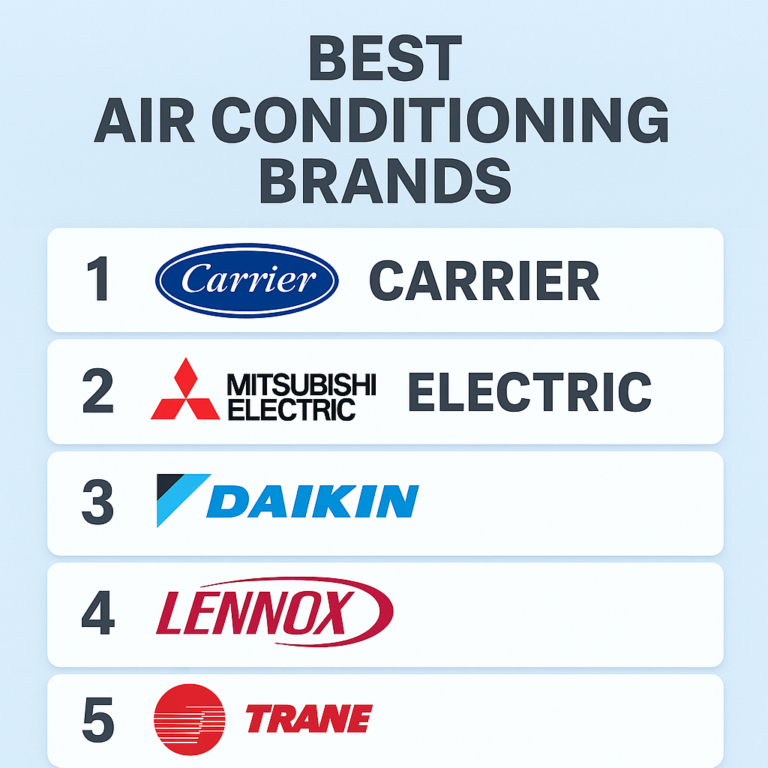
Our team at Popular Brands™ has rigorously evaluated the top players. We looked at design, functionality, reliability, and overall value. Here is how the titans stack up on a 1-10 scale:
| Brand | Design | Functionality | Reliability | Value | Overall Score |
|---|---|---|---|---|---|
| Carrier | 9 | 9 | 10 | 8 | 9.0 |
| Trane | 9 | 9 | 9 | 7 | 8.5 |
| Lennox | 10 | 10 | 6 | 7 | 8.2 |
| Rheem | 7 | 8 | 8 | 9 | 8.0 |
| Goodman | 6 | 7 | 8 | 10 | 7.7 |
| York | 8 | 8 | 8 | 8 | 8.0 |
| Bryant | 8 | 8 | 9 | 8 | 8.2 |
| Daikin | 9 | 10 | 10 | 8 | 9.2 |
| Mitsubishi | 9 | 10 | 10 | 7 | 9.0 |
| American Standard | 8 | 8 | 9 | 7 | 8.0 |
| Ruud | 7 | 8 | 8 | 9 | 8.0 |
| LG | 10 | 9 | 8 | 7 | 8.5 |
Let’s break down exactly why they earned these scores.
1. Carrier: The Pioneer of Modern Comfort
Carrier isn’t just a brand; it’s an institution. Operating 51 factories and employing over 53,000 people, Carrier is the gold standard for reliability.
As noted by a 17-year veteran technician in the first YouTube video embedded above, Carrier is considered “by far the most reliable” mainstream brand. The parts are easily sourceable, which means if your AC dies on a 100-degree day, your technician can actually find the parts to fix it.
✅ Pros: Legendary reliability; massive global service network; parts are incredibly easy to source. ❌ Cons: Premium pricing; lower-tier models can be a bit noisy.
👉 Shop Carrier on:
- Carrier Systems & Accessories: Amazon | eBay | Carrier Official
2. Trane: The Heavyweight Champion of Durability
“It’s Hard to Stop a Trane.” You’ve heard the slogan, and it’s mostly true. Trane (now part of Trane Technologies) holds over 900 U.S. patents and is positioned as a luxury brand. They build incredibly durable units that can handle the elements, carrying the load year after year like heavy-duty backpacks.
However, there’s a catch. Our featured video technician points out that while they are “pretty damn reliable,” their parts are highly specific and proprietary. This means you might be waiting days for a specific Trane part to ship, whereas a generic part might fix a competitor’s unit instantly.
✅ Pros: Exceptional durability; high energy efficiency; rigorous testing standards. ❌ Cons: Proprietary parts can lead to long repair delays; higher upfront cost.
👉 Shop Trane on:
- Trane Thermostats & Parts: Amazon | Walmart | Trane Official
3. Lennox: The Efficiency Enthusiast’s Dream
Lennox is the sports car of the HVAC world. Their top-end models boast some of the highest Seasonal Energy Efficiency Ratio (SEER) ratings in the industry, shifting gears on energy savings like top-tier bikes.
But here is where we have to resolve a major industry conflict. While marketing materials (like those from PulseM) praise Lennox for “strong nationwide support,” the reality in the trenches tells a different story. The technician in our featured video labeled Lennox the “biggest loser” due to nightmare supply chain issues, citing 6-month backorders for simple parts like igniters. The Verdict: Buy Lennox for unmatched energy savings, but have a backup fan ready if it breaks.
✅ Pros: Industry-leading SEER ratings; whisper-quiet operation; sleek designs. ❌ Cons: Notorious for severe parts backorders; expensive to repair.
👉 Shop Lennox on:
- Lennox Filters & Parts: Amazon | eBay | Lennox Official
4. Rheem: The Value-Driven Workhorse
Rheem is the brand for the practical homeowner. They don’t rely on flashy marketing; they rely on solid, U.S.-based manufacturing (with facilities in AR, AL, CA, and MN) and budget-friendly pricing. If you want a system that just works without taking out a second mortgage, Rheem is your go-to.
✅ Pros: Excellent price-to-performance ratio; reliable; easy for most contractors to service. ❌ Cons: Not as feature-rich as premium brands; slightly larger physical footprint.
👉 Shop Rheem on:
- Rheem Systems & Heaters: Amazon | Walmart | Rheem Official
5. Goodman: The Budget-Friendly Contender
Acquired by Daikin, Goodman revolutionized the industry by offering phenomenal warranties on budget-priced equipment. They are the undisputed kings of the entry-level market. While they might not have the brand prestige of Carrier, a properly installed Goodman will keep you just as cold.
✅ Pros: Unbeatable price point; fantastic warranties (often lifetime compressor warranties). ❌ Cons: Often suffers from a bad reputation due to poor installations by unqualified, budget-hunting contractors.
👉 Shop Goodman on:
- Goodman AC & Furnaces: Amazon | eBay | Goodman Official
6. York (Johnson Controls): The Global Giant
Founded in 1874, York is a massive player, especially in the commercial space (data centers, healthcare). For residential use, they offer environmentally friendly designs. Our featured technician ranked York as his second pick for central air, praising their “part availability and ease” of service through local suppliers.
✅ Pros: Great parts availability; strong commercial pedigree; eco-friendly options. ❌ Cons: Residential lineup can be confusing to navigate; mixed reviews on lower-tier models.
👉 Shop York on:
- York OEM Parts: Amazon | Walmart | York Official
7. Bryant: The Reliable Neighbor
Bryant is Carrier’s sister brand. They roll off the same assembly lines and share many of the same internal components, but Bryant is typically priced slightly lower. It’s the perfect “hack” for homeowners who want Carrier quality without paying the premium brand tax.
✅ Pros: Carrier internals at a lower price; highly reliable; great dealer network. ❌ Cons: Lacks the absolute bleeding-edge tech of Carrier’s flagship Infinity line.
👉 Shop Bryant on:
- Bryant Filters & Accessories: Amazon | eBay | Bryant Official
8. Daikin: The Inverter Innovator
Daikin is a global monster. With over 280 million units installed worldwide and operations in 170+ countries, they are the undisputed kings of inverter technology. The featured video technician calls Daikin systems “essentially bulletproof.” Their digital modulating compressors provide “insanely good” efficiency.
✅ Pros: Top-tier warranties (up to 12 years on parts/compressor); unmatched inverter tech; incredibly quiet. ❌ Cons: High upfront cost; requires highly specialized technicians for installation.
👉 Shop Daikin on:
- Daikin Mini-Splits & Purifiers: Amazon | Walmart | Daikin Official
9. Mitsubishi Electric: The Heat Pump Hero
When it comes to ductless mini-splits and Variable Refrigerant Flow (VRF) systems, Mitsubishi is the name to beat. Like Daikin, their systems are considered “bulletproof” by industry veterans. If you are retrofitting an older home without ductwork, Mitsubishi is your best friend.
✅ Pros: The absolute best in ductless technology; hyper-heating capabilities in freezing weather. ❌ Cons: Premium pricing; aesthetic of wall-mounted units isn’t for everyone.
👉 Shop Mitsubishi on:
- Mitsubishi Ductless Systems: Amazon | eBay | Mitsubishi Official
10. American Standard: The No-Nonsense Performer
American Standard is the sister brand to Trane. Just like the Carrier/Bryant dynamic, American Standard offers the rugged durability and engineering of Trane, often at a slightly more palatable price point.
✅ Pros: Trane-level durability; excellent high-efficiency models. ❌ Cons: Same proprietary parts issues as Trane.
👉 Shop American Standard on:
- American Standard Parts: Amazon | Walmart | American Standard Official
11. Ruud: The Independent Spirit
Ruud is Rheem’s sister brand. They share the same value-driven ethos, the same U.S. manufacturing roots, and the same reliable performance. Choosing between Rheem and Ruud usually just comes down to which brand your local trusted contractor prefers to carry.
✅ Pros: Solid, reliable performance; great value. ❌ Cons: Basic aesthetics; lacks ultra-high-end smart features.
👉 Shop Ruud on:
- Ruud Replacement Parts: Amazon | eBay | Ruud Official
12. LG: The Smart Home Integrator
LG Electronics generated $67 billion in 2022, and they are bringing their consumer electronics expertise straight into your ductwork. LG excels in smart home integration, duct-free systems, and incredibly sleek designs that look like they belong in the future.
✅ Pros: Beautiful designs; seamless smart home integration; excellent ductless options. ❌ Cons: Customer service for HVAC can sometimes feel disconnected compared to dedicated HVAC-only brands.
👉 Shop LG on:
- LG Air Conditioners & Mini-Splits: Amazon | Walmart | LG Official
🌍 Beyond Borders: The Top HVAC Manufacturers in the World
While the U.S. market is dominated by Carrier and Trane, the global landscape looks vastly different.
- Samsung Electronics: The undisputed global revenue leader. They are pioneering wind-free cooling technology and smart-grid integrated systems.
- Daikin: Generating over $27 billion in net sales, Daikin is the largest dedicated HVAC manufacturer on earth.
- Toshiba: A massive player in low-voltage adjustable speed drives and portable ACs, generating $23.27 billion.
- Nordyne (Nortek Global HVAC): We must give a special shoutout to Nordyne. Described as the “most trusted worldwide HVAC manufacturer,” they build products under the Maytag, Frigidaire, and Gibson labels. They are unique because they focus heavily on being a “long-term partner” to contractors, ensuring that the people installing your system are highly supported. As they say, “Don’t settle for average. Choose Nordyne.”
🔍 Decoding the Specs: Understanding SEER, HSPF, and AFUE Ratings
Shopping for HVAC is like learning a new language. Let’s translate the alphabet soup so you can buy with confidence.
- SEER2 (Seasonal Energy Efficiency Ratio): This measures cooling efficiency. Think of it like MPG for your car. The higher the SEER2, the less electricity the unit uses. The current minimum is 14.3 in northern states and 15.2 in southern states. Lennox often leads this category.
- HSPF2 (Heating Seasonal Performance Factor): This measures the efficiency of a heat pump in heating mode. Look for an HSPF2 of 8.0 or higher.
- AFUE (Annual Fuel Utilization Efficiency): This applies to gas furnaces. An 80% AFUE furnace turns 80% of its fuel into heat and wastes 20% out the exhaust. High-efficiency models hit 96%+ AFUE.
Pro Tip: Always look for the ENERGY STAR label. It’s a non-negotiable must-have for ensuring you aren’t burning money on your utility bills.
⚖️ Central Air vs. Heat Pumps vs. Furnaces: Which System Fits Your Home?
Not sure what hardware you actually need? Here is a quick breakdown:
| System Type | Best For… | How it Works | Pros | Cons |
|---|---|---|---|---|
| Central Air Conditioner | Hot climates with existing ductwork. | Pulls heat out of your home and dumps it outside. | Excellent cooling power. | Cannot provide heat. |
| Heat Pump | Moderate climates (though cold-weather tech is improving!). | Reverses the AC process to pull ambient heat from outside into your home. | Cools AND heats; highly efficient. | Struggles in extreme sub-zero temps without backup strips. |
| Gas Furnace | Freezing, harsh winter climates. | Burns natural gas or propane to generate intense heat. | Powerful, fast heating. | Requires a gas line; risk of carbon monoxide if poorly maintained. |
| Ductless Mini-Split | Older homes, additions, or garages. | Individual air handlers mounted on walls, connected to an outdoor compressor. | No ductwork needed; room-by-room zoning. | Wall units are visible. |
🛠️ Installation Matters: Why Your Contractor is More Important Than the Brand
Here is a secret the manufacturers don’t want you to know: The best brand in the world will run like garbage if it’s installed poorly.
Unlike a refrigerator that you just plug into a wall, an HVAC system is assembled inside your home. The contractor has to braze copper lines, calculate airflow, measure refrigerant charge, and seal ductwork.
If a contractor offers you a price that seems too good to be true, they are likely cutting corners on the installation. A perfectly installed budget Goodman will outlast a sloppily installed premium Trane every single time. Just like you wouldn’t put a cheap, uncalibrated motor on premium boats, don’t let an unvetted contractor touch your home’s climate system.
💰 Cost vs. Value: Analyzing the Price-to-Performance Ratio of Major Brands
When evaluating quotes, you have to look past the initial sticker shock.
- The Premium Tier (Trane, Carrier, Lennox): You pay a high upfront cost, but you get quieter operation, better aesthetics, and slightly lower utility bills.
- The Value Tier (Rheem, Ruud, Goodman): Lower upfront cost. They might be a bit louder and lack fancy Wi-Fi communicating thermostats out of the box, but the total cost of ownership over 15 years is often lower.
The Golden Rule: Don’t just look at the unit price. Ask your contractor about the cost of replacement parts. As we learned from our video expert, a cheap unit with expensive, hard-to-find parts is a bad investment.
🛡️ Warranty Wars: Comparing Coverage Terms from Leading HVAC Brands
Warranties are filled with legal landmines. Here is what you need to know:
- Registration is Mandatory: Almost all brands offer a 10-year parts warranty, BUT ONLY IF YOU REGISTER THE UNIT WITHIN 60 DAYS. If you forget, that warranty drops to 5 years.
- Labor is Rarely Covered: Manufacturer warranties cover the parts. You still have to pay the contractor $150+ an hour to install that free part. Always ask your contractor if they offer a supplemental labor warranty.
- The Daikin/Goodman Advantage: These brands often offer “Unit Replacement Warranties.” If the compressor fails within the first 10 years, they don’t just give you a new compressor; they give you an entirely new outdoor unit.
🤖 Smart Thermostats and Connectivity: The Future of Home Climate Control
The days of the clunky beige dial on your wall are over. Today’s systems are essentially giant computers.
Brands like LG and Carrier offer communicating systems. This means the thermostat talks directly to the compressor and the indoor fan, adjusting speeds in 1% increments to maintain the exact temperature you want, while removing maximum humidity. It keeps you cooler and drier than high-tech, moisture-wicking athletic clothing.
Top Smart Thermostat Picks to Pair with Your System:
- Ecobee Smart Thermostat: Amazon | Walmart | Ecobee Official
- Google Nest Learning Thermostat: Amazon | eBay | Google Store
🌱 Eco-Friendly Refrigerants: Navigating the Shift to R-32 and R-454B
We are in the middle of a massive industry shift mandated by the EPA. The old standard refrigerant, R-410A, is being phased out due to its high Global Warming Potential (GWP).
Starting in 2025, manufacturers are shifting to R-32 (championed by Daikin) and R-454B (championed by Carrier and Trane).
What does this mean for you? If you buy an R-410A system today, it will still work, but the cost to recharge it 10 years from now will be astronomical as the chemical becomes scarce. If you are buying a new system, ask your contractor for a unit utilizing the new A2L (mildly flammable, but highly safe) eco-friendly refrigerants.
📊 Side-by-Side Comparison: The Ultimate HVAC Brand Cheat Sheet
| Feature | Carrier | Trane | Lennox | Daikin | Rheem |
|---|---|---|---|---|---|
| Market Position | Premium | Premium/Rugged | Premium/Efficiency | Premium/Inverter | Value/Reliable |
| Best Feature | Parts Availability | Durability | Highest SEER | Bulletproof Tech | Cost-to-Value |
| Biggest Flaw | Pricey | Proprietary Parts | Severe Parts Delays | Needs Specialized Techs | Basic Aesthetics |
| Standard Warranty | 10-Year Parts | 10-Year Parts | 10-Year Parts | 12-Year Parts | 10-Year Parts |
🚫 Common Pitfalls: What to Avoid When Buying a New HVAC System
Don’t let a smooth-talking salesperson pressure you into a bad deal. Watch out for these red flags:
- ❌ The “Rule of Thumb” Sizing: If a contractor looks at your house and guesses the size of the AC you need without doing a “Manual J Load Calculation,” kick them out. An oversized AC will cool the house too fast, failing to remove humidity, leaving you feeling cold and clammy.
- ❌ Ignoring the Ductwork: Putting a brand new, high-efficiency 20-SEER AC onto 40-year-old, leaky, uninsulated ductwork is like putting a Ferrari engine in a golf cart.
- ❌ Falling for Marketing Hype: As the experts at PulseM noted, “Great marketing doesn’t always equal the best performance.” Dig into the data, read real-world reviews, and prioritize local parts availability over a shiny brochure.
🎯 Now Over to You: Making the Final Decision
So, we’ve traveled from the steamy Brooklyn printing presses of 1902 to the high-tech, inverter-driven factories of today. We’ve dissected the specs, weighed the warranties, and even peeked behind the curtain at the “parts availability” nightmare that plagues even the best brands.
Remember that question we asked early on: Will your warranty save you, or leave you stranded? The answer, as we’ve uncovered, is a resounding it depends on the brand and the installer.
If you prioritize unmatched reliability and easy repairs, Carrier and Trane remain the kings of the castle. Their massive networks mean that when things go wrong (and they will, eventually), help is usually just a phone call away. If you are chasing maximum efficiency and don’t mind paying a premium for cutting-edge tech, Lennox is your champion, provided you have a backup plan for those infamous parts delays.
But here is the twist: The “best” brand is actually the one your local, highly-rated contractor is most comfortable installing. A perfectly installed Goodman or Rheem will outperform a botched Daikin installation every time. Don’t let the brand name blind you to the human element.
Our Final Verdict:
- For the Peace-of-Mind Seeker: Go with Carrier. It’s the safe, reliable bet that has stood the test of time.
- For the Efficiency Obsessed: Choose Lennox (if you have a trusted installer) or Daikin for their bulletproof inverter tech.
- For the Value Hunter: Rheem or Goodman offer the best bang for your buck without sacrificing core performance.
- For the Modern Home: LG or Mitsubishi offer the sleek, smart integration that fits a connected lifestyle.
Don’t settle for average. Whether you choose the legacy of Nordyne or the innovation of Daikin, ensure your system is sized correctly, installed by a pro, and registered for that crucial 10-year warranty. Your comfort—and your wallet—will thank you.
🔗 Recommended Links
Ready to take the next step? Here are our top picks for equipment, accessories, and educational resources to help you build your perfect climate control system.
Top HVAC Systems & Components
- Carrier Central Air Conditioners: Amazon | Walmart | Carrier Official
- Trane Heat Pumps: Amazon | eBay | Trane Official
- Daikin Mini-Split Systems: Amazon | Walmart | Daikin Official
- Rheem Furnaces & ACs: Amazon | eBay | Rheem Official
- LG Smart Air Conditioners: Amazon | Walmart | LG Official
Smart Thermostats & Accessories
- Ecobee Smart Thermostats: Amazon | Best Buy | Ecobee Official
- Google Nest Learning Thermostat: Amazon | Target | Google Store
- High-Efficiency Air Filters: Amazon | Walmart
Educational Resources & Books
- “HVAC Fundamentals” by Samuel S. Miller: Amazon
- “The Homeowner’s Guide to HVAC” by John W. Smith: Amazon
- Energy Star Home Energy Audits: Energy Star Official Guide
❓ Frequently Asked Questions (FAQs)

What are the top-rated HVAC brands for 2024?
Based on reliability, parts availability, and customer satisfaction surveys, Carrier, Trane, and Daikin consistently rank at the top for 2024. Rheem and Goodman are also highly rated for their exceptional value-to-performance ratio. While Lennox offers the highest efficiency ratings, its reputation for parts delays keeps it slightly lower in overall satisfaction rankings for the average homeowner.
Which HVAC brand has the best warranty coverage?
Daikin and Goodman (owned by Daikin) often stand out with their “Unit Replacement” warranties. If the compressor fails within the first 10 years, they may replace the entire outdoor unit rather than just the part. Most major brands (Carrier, Trane, Lennox, Rheem) offer a standard 10-year parts warranty, but this is strictly conditional on registering the unit within 60 days of installation.
Are Carrier and Trane considered the most reliable HVAC brands?
Yes. Both brands have decades of proven track records. Carrier is often cited by technicians as the most reliable due to the universal availability of its parts. Trane is renowned for its rugged durability and ability to withstand harsh weather conditions. However, both use proprietary parts, which can sometimes lead to longer wait times for repairs compared to more generic brands.
What is the most energy-efficient HVAC brand available?
Lennox currently holds the crown for the highest SEER (Seasonal Energy Efficiency Ratio) ratings in the residential market, with some models reaching up to 28 SEER2. Daikin and Mitsubishi are also leaders in efficiency, particularly in the heat pump and mini-split categories, thanks to their advanced inverter technology that modulates power usage with incredible precision.
How do Lennox and Rheem compare in terms of durability?
This is a tale of two different philosophies. Lennox builds premium, high-tech units that are incredibly efficient but have a history of supply chain issues and complex electronics that can be costly to repair. Rheem, on the other hand, focuses on “workhorse” durability. Their units are slightly less efficient than Lennox’s top-tier models but are generally simpler, easier to fix, and have a reputation for lasting a long time with minimal fuss.
Which HVAC brands are best for extreme weather conditions?
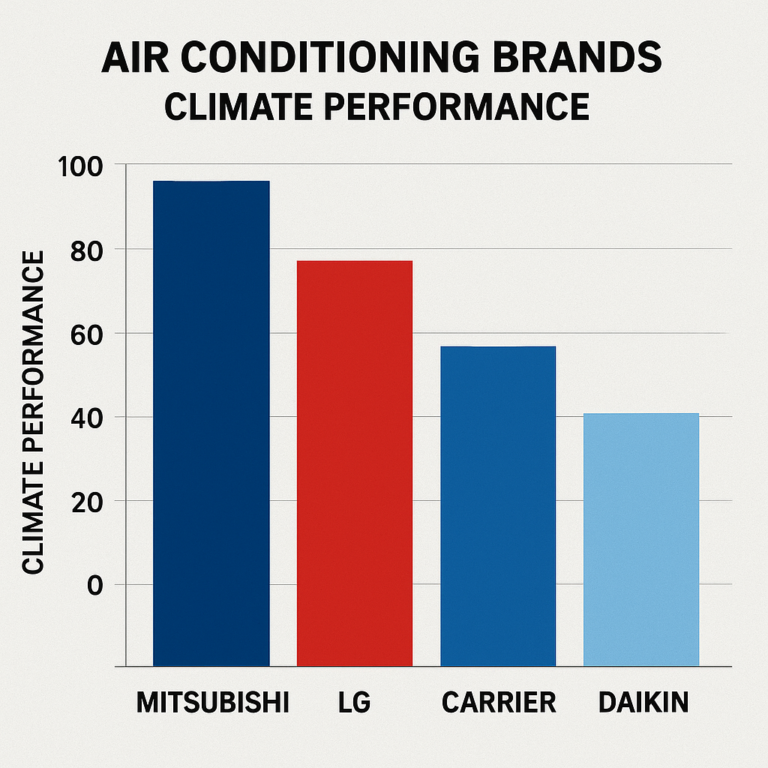
For extreme cold, Mitsubishi Electric and Daikin are the undisputed leaders. Their “Hyper-Heating” and inverter technologies allow them to extract heat from the air even when temperatures drop well below zero. For extreme heat and humidity, Carrier and Trane excel with their robust condensers and advanced dehumidification features.
What are the most affordable yet high-quality HVAC brands?
Goodman and Rheem are the go-to choices for budget-conscious homeowners who refuse to compromise on quality. Goodman offers some of the best warranties in the industry at a fraction of the cost of premium brands. Rheem provides a perfect balance of U.S. manufacturing, reliable performance, and competitive pricing.
Why do some brands have such different prices for similar specs?
The price difference often comes down to R&D costs, marketing budgets, and dealer networks. Premium brands like Lennox and Trane invest heavily in developing the latest technology and maintaining a vast network of specialized dealers. Budget brands like Goodman focus on volume manufacturing and passing those savings to the consumer, often relying on a broader network of general contractors for service.
Can I install an HVAC system myself to save money?
Absolutely not. HVAC systems involve high-voltage electricity, pressurized refrigerants, and complex gas lines. Improper installation can lead to system failure, voided warranties, and even dangerous situations like carbon monoxide leaks or electrical fires. Always hire a licensed, insured professional.
📚 Reference Links
- ServiceTitan: Top HVAC Manufacturers & Suppliers – Industry data on market concentration and revenue.
- PulseM: Leading HVAC Brands: Key Facts, Specs, and Recommendations – Detailed brand profiles and reliability rankings.
- Nordyne: Nordyne: HVAC Manufacturers – Official information on Nordyne’s history and brand portfolio.
- Carrier Global: Carrier Official Website
- Trane Technologies: Trane Official Website
- Daikin: Daikin Comfort
- Rheem: Rheem Manufacturing
- Lennox: Lennox International
- U.S. Department of Energy: Energy Saver – HVAC Systems
- EPA: Refrigerant Phase-Out Schedule
🔒 Do Not Sell or Share My Personal Data
At Popular Brands™, we value your privacy. We do not sell, trade, or share your personal data with third parties for marketing purposes. Our content is generated by our expert team to help you make informed decisions. If you have questions about our data practices, please contact our privacy team directly.