Support our educational content for free when you purchase through links on our site. Learn more
13 Key Factors Driving Brand Success in the US Market (2026) 🚀

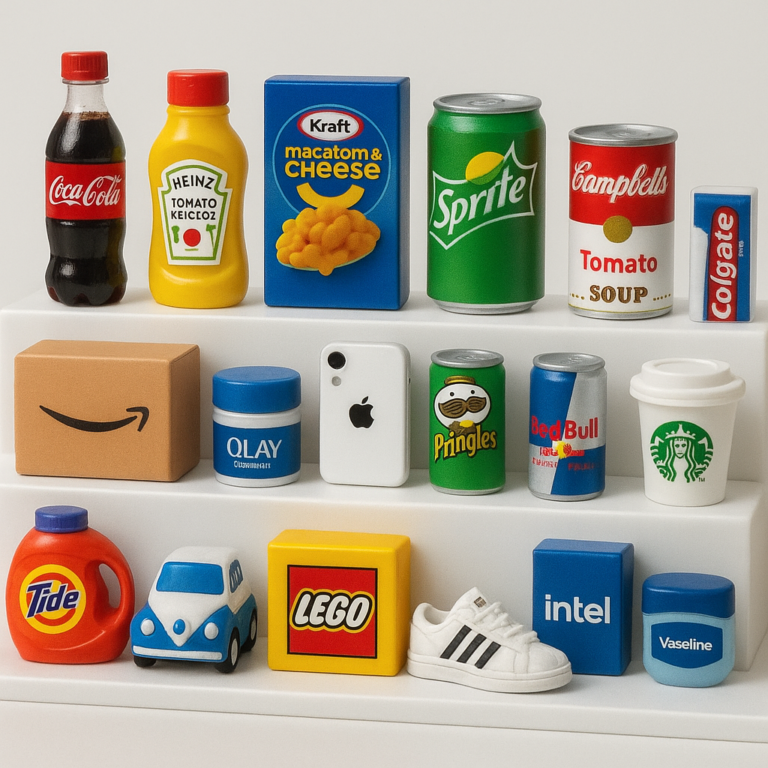
Cracking the code to brand success in the US market is like mastering a high-stakes game where the rules constantly change. From the bustling streets of New York to the tech hubs of Silicon Valley, brands that thrive share a secret recipe — one that blends deep consumer insight, authentic storytelling, and razor-sharp adaptability. Did you know that over 80% of US consumers say they’re more likely to buy from brands that feel “human” and relatable? That’s just the tip of the iceberg.
In this article, we’ll unpack 13 essential factors that contribute to a brand’s triumph in the fiercely competitive US landscape. From how Netflix uses data to predict hits before filming a single scene, to Starbucks creating a “third place” experience that keeps customers coming back, we reveal the strategies behind the biggest winners. Plus, we’ll share insider tips and real-world examples to help you build a brand that doesn’t just survive — it dominates.
Key Takeaways
- Understanding the US consumer’s diverse preferences is foundational to brand success.
- Crafting a unique, authentic brand identity that resonates emotionally sets winners apart.
- Leveraging digital marketing and social media is non-negotiable in today’s market.
- Consistency in quality and customer experience builds lasting trust.
- Innovation and adaptability keep brands relevant amid fast-changing trends.
- Learning from iconic brands like Netflix and Starbucks offers invaluable lessons.
- Measuring success through KPIs like customer lifetime value and brand equity guides smarter decisions.
Ready to build a brand that stands out and stays powerfully relevant? Let’s dive in!
Table of Contents
- ⚡️ Quick Tips and Facts About Brand Success in the US Market
- 🌟 The Evolution of Branding in the US: From Local Shops to Global Giants
- 1. Understanding the US Consumer: Demographics, Preferences, and Trends
- 2. Crafting a Unique Brand Identity That Resonates
- 3. The Power of Storytelling and Emotional Connection in Branding
- 4. Leveraging Digital Marketing and Social Media for Brand Growth
- 5. Building Trust Through Quality, Consistency, and Customer Experience
- 6. Strategic Pricing and Positioning in a Competitive US Market
- 7. The Role of Innovation and Adaptability in Sustaining Brand Success
- 8. Effective Use of Influencers and Brand Ambassadors
- 9. Navigating Legal and Regulatory Challenges for US Brands
- 10. Case Studies: Iconic US Brands and Their Secret Sauce
- 11. Measuring Brand Success: KPIs and Analytics That Matter
- 12. Overcoming Common Pitfalls and Brand Failures in the US Market
- 13. Future Trends: What’s Next for Brands in the US Market?
- 🧠 Expert Tips and Insider Advice for Aspiring US Brands
- 📚 Recommended Links for Deep Dives on Branding and Marketing
- ❓ Frequently Asked Questions About Brand Success in the US
- 🔗 Reference Links and Credible Sources
- 🎯 Conclusion: Your Roadmap to Brand Success in the US Market
⚡️ Quick Tips and Facts About Brand Success in the US Market
Welcome to the big leagues! Breaking into and dominating the US market is the ultimate goal for many businesses, but it’s a bit like trying to order coffee at a busy café—you need to know exactly what you want, say it clearly, and be ready to pay for quality. Before we dive deep, here is the “cheat sheet” our team at Popular Brands™ has compiled.
If you are looking for inspiration, check out our comprehensive list of the top 100 US brands to see who is currently winning the game.
Key Success Metrics at a Glance:
| Factor | Importance (1-10) | Why it Matters |
|---|---|---|
| Brand Identity | 10 | Differentiates you in a saturated market. |
| Customer Experience | 9.5 | Americans value service as much as the product. |
| Digital Presence | 9 | If you aren’t online, you don’t exist. |
| Adaptability | 8.5 | Trends change faster than a viral TikTok. |
| Data Analytics | 9 | Decisions must be fact-based, not guesses. |
The “Do’s and Don’ts” of US Branding:
- ✅ DO invest heavily in storytelling; Americans love a good underdog or origin story.
- ✅ DO prioritize convenience; speed and ease of use are non-negotiable.
- ❌ DON’T ignore local nuances; the US is a collection of regions, not a monolith.
- ❌ DON’T underestimate the power of reviews; one bad viral tweet can cost millions.
- ✅ DO focus on Brand Equity; as noted in our featured video, this is the compounded interest of your business.
Did You Know? According to the Small Business Administration (SBA), market research isn’t just about finding customers; it’s about blending consumer behavior with economic trends to confirm your business idea is even viable.
🌟 The Evolution of Branding in the US: From Local Shops to Global Giants
Once upon a time, your “brand” was just the sign above your door and the reputation of the shopkeeper. If the local baker burned the bread, the whole town knew by noon. Today, the stakes are global, and the “town square” is the internet.
The evolution of branding in the US has shifted from functional (telling people what you sell) to emotional (telling people how you make them feel).
- 1950s-60s: The Golden Age of Advertising. It was all about jingles and TV spots.
- 1980s-90s: The Era of Identity. Brands like Nike and Apple began selling lifestyles, not just shoes and computers.
- 2000s-Present: The Digital & Social Age. Two-way communication is king.
To understand how modern brands navigate this, look at the athletic clothing sector. It’s no longer just about sweat-wicking fabric; it’s about community, wellness, and identity.
1. Understanding the US Consumer: Demographics, Preferences, and Trends
You cannot sell to someone you don’t understand. The US consumer is demanding, diverse, and highly informed.
The Data-Driven Approach
As highlighted by the SBA, you must gather demographic data (age, wealth, family, interests) to identify opportunities.
- Millennials & Gen Z: Prioritize sustainability and social responsibility.
- Gen X & Boomers: Often prioritize value, reliability, and loyalty.
The Convenience Factor
In the US, time is currency. Brands that save time win. This is why backpacks designed for “digital nomads” with easy-access laptop compartments outsell traditional hiking packs in urban areas—they solve a specific lifestyle problem.
Key Questions to Ask:
- Is there a desire for your product?
- How many interested consumers are there?
- What are customers currently paying for alternatives?
2. Crafting a Unique Brand Identity That Resonates
Your brand identity is your business’s fingerprint. It’s unique, and it leaves a mark on everything you touch.
Visuals and Voice
As mentioned in the first YouTube video we reviewed for this article, a brand is more than a logo. It is a “Look & Feel” and a “Voice.”
- Look & Feel: Consistent colors, fonts, and imagery. Think of the distinct red of Coca-Cola or the minimalism of Apple.
- Voice: Are you stern, friendly, or witty? The video warns, “The graveyard of broken brands is littered with companies that only cared about the message that they wanted to push out and not what their customer was yearning to hear.”
Differentiation
If you are entering the audio equipment market, you aren’t just competing with speakers; you are competing with Bose’s noise cancellation and Sonos’s ecosystem. Your identity must answer: Why you?
3. The Power of Storytelling and Emotional Connection in Branding
“Humans value humans over brands.” This insight from our featured video is the golden rule.
The Hero’s Journey
Your customer is the hero; your brand is the guide.
- Origin Stories: How did you start? Was it in a garage? (Americans love a garage startup story).
- Mission: What are you fighting for?
- Example: Patagonia doesn’t just sell jackets; they sell a commitment to saving the planet. This creates an emotional bond that transcends price.
👉 CHECK PRICE on:
- Building a StoryBrand (Book): Amazon.com | HarperCollins Official
- Shoe Dog (Phil Knight’s Memoir): Amazon.com | Simon & Schuster Official
4. Leveraging Digital Marketing and Social Media for Brand Growth
If a tree falls in a forest and no one tweets about it, did it happen? In the US market, the answer is no.
The Ecosystem Approach
You need a “Brand Ecosystem” (Website + Social + Content).
- SEO: Being found on Google is critical.
- Content Marketing: Blogs, podcasts, and videos build authority.
- Social Proof: User-generated content is the new word-of-mouth.
For example, the bikes category has exploded not just because of the hardware, but because brands like Peloton created a digital community where users compete and connect online.
5. Building Trust Through Quality, Consistency, and Customer Experience
Trust is hard to gain and easy to lose. Starbucks is a masterclass in this. According to The Strategy Institute, Starbucks succeeds by maintaining a “Consistent Premium Brand Positioning.”
The “Third Place”
Starbucks positioned itself not just as a coffee shop, but as a “third place” between home and work.
- Consistency: A latte in Seattle tastes the same as one in New York.
- Training: Comprehensive manuals ensure service quality.
- Sourcing: Sustainable sourcing builds trust with ethical consumers.
Pro Tip: If you are selling boats, your customers aren’t just buying a vessel; they are buying safety and leisure. If the quality fails, the trust (and the brand) sinks.
6. Strategic Pricing and Positioning in a Competitive US Market
Pricing isn’t just math; it’s psychology.
The Netflix Model
Netflix’s strategy teaches us about value-based pricing. They didn’t just undercut cable; they offered a superior experience (no ads, on-demand) at a competitive price point.
- Tiered Options: Giving customers choice (Basic, Standard, Premium) captures different market segments.
- Value Proposition: High-quality original content justifies price hikes over time.
Market Saturation
As the SBA notes, you must evaluate market saturation. If there are 50 competitors, you either need to be cheaper (risky) or distinctly better (strategic).
7. The Role of Innovation and Adaptability in Sustaining Brand Success
The US market is a graveyard for brands that refused to adapt (RIP Blockbuster).
Adapt or Die
Netflix transitioned from DVD-by-mail to streaming because they saw the technological shift coming. They invested in technological expertise and personalized recommendation algorithms to keep viewers hooked.
Local Adaptation
Even within the US, adaptation matters. What works in rural Texas might not work in downtown San Francisco. Brands must be flexible in their marketing and product mix.
👉 CHECK PRICE on:
- Roku Streaming Stick 4K: Amazon.com | Walmart | Roku Official
- Apple TV 4K: Amazon.com | Best Buy | Apple Official
8. Effective Use of Influencers and Brand Ambassadors
Influencer marketing has moved from “nice to have” to “essential.”
- Macro-Influencers: Celebrities (like Kim Kardashian) create massive awareness but have lower engagement rates.
- Micro-Influencers: Niche experts (like a specific tech reviewer) have high trust and conversion.
- Authenticity: Audiences can smell a fake endorsement a mile away. The partnership must feel organic.
9. Navigating Legal and Regulatory Challenges for US Brands
It’s not the fun part, but it’s the necessary part.
- Intellectual Property: Protect your trademarks and copyrights immediately.
- Data Privacy: With regulations like CCPA (California Consumer Privacy Act), handling customer data responsibly is a legal requirement, not just a courtesy.
- Content Licensing: As seen with Netflix, navigating content rights is complex but critical for expansion.
10. Case Studies: Iconic US Brands and Their Secret Sauce
Let’s look at the report cards of two giants who mastered the US and global markets.
Brand Strategy Effectiveness Rating
| Brand | Innovation | Customer Loyalty | Adaptability | Key Strategy |
|---|---|---|---|---|
| Netflix | 10/10 | 9/10 | 10/10 | Data-driven content & localization. |
| Starbucks | 8/10 | 10/10 | 9/10 | The “Third Place” experience & consistency. |
Netflix: The Data King
Netflix uses data to decide what shows to produce. They knew House of Cards would be a hit before they filmed a single scene based on user viewing habits. Their “investments in original content and licensing have helped it differentiate itself globally.”
Starbucks: The Experience King
Starbucks sells consistency. Whether you are in a rush or meeting a friend, you know exactly what you are getting. They “integrate rather than confront local environments,” which has been key to their massive footprint.
11. Measuring Brand Success: KPIs and Analytics That Matter
How do you know if you’re winning?
- Customer Acquisition Cost (CAC): How much does it cost to get a new customer?
- Lifetime Value (LTV): How much is that customer worth over time?
- Net Promoter Score (NPS): Would your customers recommend you?
- Brand Equity: The intangible value of your brand name (as discussed in the featured video).
12. Overcoming Common Pitfalls and Brand Failures in the US Market
Even the best stumble. Here is how to avoid the face-plant.
- Inconsistency: Changing your message too often confuses customers.
- Ignoring Feedback: If customers say your product breaks, fix it. Don’t argue.
- Over-expansion: Growing too fast without the infrastructure to support it (the “Starbucks” lesson: focus on sustainable growth).
- Tone Deafness: Marketing campaigns that fail to read the cultural room can be disastrous.
13. Future Trends: What’s Next for Brands in the US Market?
The only constant is change. What is on the horizon?
- AI and Personalization: Hyper-personalized experiences driven by Artificial Intelligence.
- Sustainability: Consumers are increasingly voting with their wallets for eco-friendly brands.
- Voice Search: Optimizing for “Alexa, buy me…”
- Social Commerce: Buying directly through Instagram and TikTok.
🧠 Expert Tips and Insider Advice for Aspiring US Brands
We’ve seen it all at Popular Brands™, and here is our unfiltered advice:
- Be Human: In a world of bots, a human voice cuts through the noise.
- Niche Down: Don’t try to be everything to everyone. Be the best backpack for college students, not just a “bag company.”
- Play the Long Game: Brand equity is like compound interest. It takes time to build.
- Listen: Your customers are telling you what they want. Are you listening?
From the Video Vault: As emphasized in the first video we reviewed, remember that “Brand Equity is a result, not an action.” You cannot buy it; you have to earn it through consistent promises kept.
🎯 Conclusion: Your Roadmap to Brand Success in the US Market
Phew! We’ve navigated the winding roads of brand success in the US market—from understanding your audience to crafting an unforgettable identity, leveraging digital tools, and learning from giants like Netflix and Starbucks. So, what’s the takeaway?
The US market rewards brands that combine deep consumer insight, authentic storytelling, consistent quality, and nimble adaptability. It’s not enough to have a great product; you must build a brand that resonates emotionally, delivers exceptional experiences, and evolves with changing trends.
Remember the question we teased earlier: How do you stand out in a market flooded with options? The answer lies in differentiation through authenticity and connection. Whether you’re a startup or an established player, your brand’s success hinges on how well you understand and serve your customers—not just sell to them.
If you’re inspired by Netflix’s data-driven content strategy or Starbucks’ “third place” experience, take a page from their playbook: invest in your brand equity with patience, innovation, and relentless focus on customer trust.
So, are you ready to build your brand’s legacy in the US? The blueprint is here—now it’s your turn to make it legendary. 🚀
📚 Recommended Links for Deep Dives on Branding and Marketing
-
Building a StoryBrand: Clarify Your Message So Customers Will Listen (Book):
Amazon.com | HarperCollins Official -
Shoe Dog: A Memoir by the Creator of Nike (Book):
Amazon.com | Simon & Schuster Official -
Roku Streaming Stick 4K:
Amazon.com | Walmart | Roku Official -
Apple TV 4K:
Amazon.com | Best Buy | Apple Official
❓ Frequently Asked Questions About Brand Success in the US
What sets the most popular brands in the US apart from their competitors, and what can other brands learn from their successes and failures?
The most popular US brands distinguish themselves through consistent quality, emotional storytelling, and deep consumer understanding. Brands like Netflix and Starbucks invest heavily in data analytics and cultural adaptation, ensuring their offerings resonate locally while maintaining global appeal. Other brands can learn the importance of building trust over time, embracing innovation, and avoiding pitfalls like over-expansion or ignoring customer feedback. As The Strategy Institute notes, “Successful international brands succeed by integrating rather than confronting local environments.”
What are the most important demographic factors for brands to consider when entering the US market, and how can they effectively target their desired audience?
Demographics such as age, income, location, cultural background, and lifestyle preferences are crucial. For example, Millennials and Gen Z prioritize sustainability and social responsibility, while Boomers often seek reliability and value. Effective targeting involves segmenting the market and tailoring messaging and products to meet the unique needs of each group. Utilizing tools like surveys, focus groups, and digital analytics helps brands refine their approach and avoid a one-size-fits-all strategy.
How does a brand’s online presence impact its success in the US, and what digital marketing strategies are most effective?
A strong online presence is non-negotiable in today’s US market. Brands must optimize for SEO, maintain active social media profiles, and engage in content marketing to build authority and trust. Influencer partnerships and user-generated content amplify reach and authenticity. Digital marketing strategies like personalized email campaigns, retargeting ads, and social commerce are highly effective. Brands that neglect digital channels risk invisibility in a crowded marketplace.
What role does cultural adaptation play in a brand’s ability to succeed in the US market?
Cultural adaptation is vital because the US is a melting pot of diverse cultures and preferences. Brands that customize their products, marketing, and customer experience to reflect regional and cultural nuances build stronger connections. Starbucks’ localized menus and Netflix’s subtitled and dubbed content are prime examples. Ignoring cultural differences can lead to tone-deaf campaigns and lost customers.
How does brand identity influence success in the US market?
Brand identity is the foundation of all marketing efforts. It shapes customer perceptions and loyalty. A clear, consistent identity—covering visual elements, tone, and values—helps brands stand out and build emotional connections. Without it, brands risk being forgettable or confusing. Identity also guides decision-making and aligns internal teams around a unified vision.
What role does customer loyalty play in building a successful US brand?
Customer loyalty translates to repeat business, positive word-of-mouth, and resilience during market shifts. Loyal customers often become brand ambassadors, amplifying reach organically. Building loyalty requires delivering consistent quality, excellent service, and engaging experiences. Loyalty programs and personalized communication further deepen these bonds.
How important is digital marketing for brands in the US?
Digital marketing is essential. It drives brand awareness, customer acquisition, and retention. The US market’s high internet penetration and social media usage mean brands must be where their customers are—online. Digital campaigns allow precise targeting, measurable ROI, and rapid adaptation to trends, making them indispensable tools.
What are the challenges new brands face entering the US market?
New brands face intense competition, high customer expectations, regulatory hurdles, and the need for significant marketing investment. Breaking through requires a unique value proposition, deep market research, and often, patience. Additionally, navigating legal requirements like trademarks and data privacy laws can be complex but critical for long-term success.
🔗 Reference Links and Credible Sources
- Netflix Official Site
- Starbucks Official Site
- Small Business Administration: Market Research & Competitive Analysis
- The Strategy Institute: Starbucks International Strategy – A Case Study for Global Success
- Patagonia Official Site
- Bose Official Site
- Sonos Official Site
- Peloton Official Site
- Roku Official Site
- Apple Official Site
Ready to take your brand to the next level? Stay curious, stay authentic, and remember: the US market rewards those who listen, adapt, and deliver. Your brand’s success story starts now!