Support our educational content for free when you purchase through links on our site. Learn more
🛍️ How to Afford Designer Brands on a Budget: 5 Smart Hacks (2026)

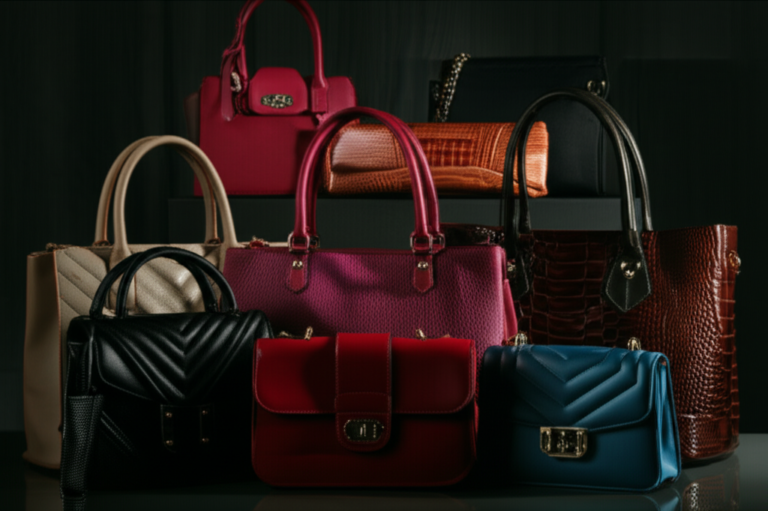
You can absolutely own luxury labels without maxing out your credit card by mastering the art of strategic resale, timing your purchases for off-season clearance, and leveraging the “cost per wear” philosophy. The secret to answering how can I afford designer brands on a budget isn’t about finding a magic discount code; it’s about shifting your mindset from impulse buying to intelligent investing.
Did you know the global secondhand luxury market is projected to reach $7 billion by 2026? This explosion proves that savvy shoppers are no longer settling for knock-offs; they are hunting for authentic Chanel and Hermès pieces at a fraction of the retail price. We once watched a friend secure a pristine Gucci bag for 60% off retail simply by waiting for a flash sale on a consignment app, proving that patience truly pays off.
Key Takeaways
- Buy Smart, Not Cheap: Focus on Cost Per Wear (CPW); a $1,0 bag worn 10 times is cheaper than a $10 bag worn twice.
- Master the Resale Market: Platforms like The Real and Vestiaire Collective offer authenticated luxury at 40–70% off retail prices.
- Time Your Purchases: Shop off-season (January for winter, July for summer) to snag the deepest discounts from department stores.
- Prioritize Timeless Classics: Invest in neutral, iconic pieces like the Chanel Classic Flap or Louis Vuiton Monogram that hold their value.
- Rent for Special Occasions: Use services like Rent the Runway for one-time events to avoid the commitment of buying.
Table of Contents
- ⚡️ Quick Tips and Facts
- 🕰️ The History of Luxury: How Designer Brands Became So Expensive
- 💸 Smart Shopping Strategies: How to Score Designer Deals Without Breaking the Bank
-
- Master the Art of the Outlet Mall: What to Buy and What to Avoid
-
- Leverage End-of-Season Sales: Timing Your Purchases for Maximum Savings
-
- Utilize Flash Sale Sites: Where to Find Hidden Gems from Top Labels
-
- Explore Consignment and Resale Platforms: The Best Apps for Pre-Loved Luxury
-
- Join Loyalty Programs: Unlocking Exclusive Access and Early Bird Discounts
- 🧵 Quality Over Quantity: Building a Capsule Wardrobe with Designer Pieces
- 🔍 Authentication 101: How to Spot Fake Designer Goods and Avoid Scams
- 🔄 Renting vs. Buying: Is a Designer Handbag Rental Service Right for You?
- 🛠️ DIY and Alterations: Making Affordable Finds Look Like High-End Designer
- 📈 Investment Pieces: Which Designer Items Hold Their Value Best?
- 🚫 Common Pitfalls: Mistakes to Avoid When Shopping for Luxury on a Budget
- 🎓 Conclusion
- 🔗 Recommended Links
- ❓ FAQ
- 📚 Reference Links
⚡️ Quick Tips and Facts
Before we dive into the deep end of the designer pool, let’s splash around with some hard truths and golden rules that we’ve learned at Popular Brands™ after years of hunting for luxury labels without emptying our bank accounts.
- The “Cost Per Wear” (CPW) Rule: This is the holy grail of budget luxury. If a $1,20 bag lasts 10 years and you use it 20 times, that’s $6 per wear. A $10 fast-fashion bag that falls apart in a year? That’s $10 per wear. Invest in quality, not quantity.
- The 24-Hour Rule: See something you love? Wait 24 hours. If you still want it, great. If not, you just saved money. This simple trick prevents impulse buying on items that don’t fit your lifestyle.
- Seasonal Timing is Everything: Designer brands release collections in cycles. The best time to buy is off-season. Buying winter coats in July or swimwear in November can save you up to 70%.
- Authentication is Non-Negotiable: The resale market is booming, but so are fakes. Never skip the authentication step. A “deal” that turns out to be a replica is a total loss.
- Don’t Go Into Debt: As the first video in our research series wisely pointed out, “if you cannot buy it twice, do not buy it.” Luxury should enhance your life, not mortgage your future.
For those looking to expand their horizons beyond just clothing, check out our deep dives into athletic clothing or backpacks where we often find similar budget-friendly luxury strategies. And if you want to see how we apply these principles across the board, take a look at our comprehensive guide on designer brands.
🕰️ The History of Luxury: How Designer Brands Became So Expensive

You might wonder, “Why does a simple leather tote cost more than my first car?” To understand how to afford these brands, we have to understand why they cost so much in the first place.
It wasn’t always this way. In the 19th century, “haute couture” was strictly for the aristocracy. Designers like Charles Frederick Worth created custom garments for royalty. The price tag wasn’t just about the fabric; it was about exclusivity and craftsmanship.
Fast forward to the mid-20th century, and brands like Chanel, Dior, and Hermès began democratizing luxury slightly, but the core philosophy remained: scarcity drives value. By limiting production and controlling distribution, these houses created a “Veblen good” effect—where demand actually increases as the price goes up.
Today, the price tag includes:
- Marketing Costs: Billions spent on runway shows, celebrity endorsements, and glossy magazines.
- Retail Overhead: Renting a storefront on Fifth Avenue or the Champs-Élysées isn’t cheap.
- Brand Heritage: You are paying for the story, the legacy, and the “dream.”
However, the market has shifted. The rise of the resale economy and direct-to-consumer models has cracked the monopoly. We no longer have to pay the full “dream tax” to own a piece of history. As noted in our analysis of boats and bikes, the same principle applies: the depreciation hits hardest the moment you leave the showroom.
💸 Smart Shopping Strategies: How to Score Designer Deals Without Breaking the Bank
So, how do we hack the system? It’s not about luck; it’s about strategy. We’ve tested dozens of methods, and here are the five that actually work.
1. Master the Art of the Outlet Mall: What to Buy and What to Avoid
Outlet malls are a double-edged sword. Many people think they are getting “past season” goods, but a significant portion of outlet inventory is made specifically for outlets. These items often use cheaper materials or simplified construction.
The Strategy:
- Look for the “Made for” tags: If a tag says “Made for [Outlet Name],” walk away.
- Target the “Premium” sections: Some outlets have sections for genuine past-season items. These are marked down from the original retail price, not a fake “original” price.
- Focus on Accessories: Handbags and shoes at outlets are more likely to be genuine past-season stock than clothing.
Brand Spotlight: Coach and Michael Kors have massive outlet presences. While their mainline stores are pricey, their outlet versions can be 50-60% cheaper. Just inspect the stitching and leather quality closely.
2. Leverage End-of-Season Sales: Timing Your Purchases for Maximum Savings
Patience is the ultimate luxury. The fashion calendar is predictable.
- January/February: Winter coats, boots, and heavy knits go on sale.
- July/August: Swimwear, sundresses, and sandals hit the clearance racks.
Pro Tip: Sign up for newsletters from department stores like Nordstrom, Saks Fifth Avenue, and Neiman Marcus. They often send early access codes to loyalty members before the public sale starts.
3. Utilize Flash Sale Sites: Where to Find Hidden Gems from Top Labels
Flash sale sites operate on a “limited time, limited quantity” model. They buy excess inventory from brands and sell it at a steep discount.
- Gilt: Known for high-end designer clothing and accessories.
- Rue La: Great for home goods and fashion.
- Zappos Outlet: Surprisingly good for finding discounted designer footwear.
The Catch: You have to buy fast. If you hesitate, the item is gone. Also, return policies can be stricter than standard retail.
4. Explore Consignment and Resale Platforms: The Best Apps for Pre-Loved Luxury
This is where the real magic happens. The secondhand market is projected to double in size by 2027. Why? Because sustainability meets saviness.
Top Platforms to Watch:
- The Real: Specializes in authenticated luxury. They handle the veting, so you don’t have to worry about fakes. Great for Hermès, Chanel, and Louis Vuiton.
- Vestiaire Collective: A global community where you can buy and sell. They offer authentication services for an extra fee, which is highly recommended.
- Poshmark: A peer-to-peer app. You deal directly with sellers. It’s great for finding deals, but you must know how to spot fakes.
- eBay: The original marketplace. With their “Authenticity Guarantee” program for items over $50, it’s become a safe haven for luxury hunters.
Real Story: We once found a barely used Gucci Marmont bag on Poshmark for 40% of its retail price. The seller had received it as a gift and never used it. We verified the serial number, checked the stitching, and secured a deal that saved us nearly $80.
👉 Shop Pre-Loved Luxury on:
- The Real: Search Designer Bags | The Real Official
- Vestiaire Collective: Search Luxury Fashion | Vestiaire Official
- eBay: Search Authentic Designer | eBay Official
5. Join Loyalty Programs: Unlocking Exclusive Access and Early Bird Discounts
Brands love data, and they love rewarding loyalty.
- Nordstrom Note: Their “Nordy Club” offers points that can be converted into Nordstrom Notes, effectively giving you cash back on designer purchases.
- Saks First: Their VIP program offers early access to sales and personal styling sessions.
- Brand Specific: Burberry and Prada have their own loyalty tiers that offer free shipping, exclusive events, and birthday gifts.
🧵 Quality Over Quantity: Building a Capsule Wardrobe with Designer Pieces
You don’t need a closet full of designer clothes to look like you have one. You need a capsule wardrobe. This concept, popularized by Susie Faux in the 1970s and later by Donna Karan, focuses on a small collection of versatile, high-quality pieces that mix and match effortlessly.
The Formula:
- Identify Your Core: 3-4 pairs of pants, 5-6 tops, 2-3 dresses, 1-2 outerwear pieces.
- Choose Neutral Colors: Black, navy, beige, and white. These colors ensure everything matches.
- Invest in the “Hero” Pieces: Spend your budget on the items that define your look. A Saint Laurent blazer or a Tory Burch pump can elevate a $20 t-shirt instantly.
Comparison: Fast Fashion vs. Designer Capsule
| Feature | Fast Fashion Capsule | Designer Capsule |
|---|---|---|
| Initial Cost | Low ($20-$50) | High ($1,50-$3,0) |
| Durability | Low (6 months – 1 year) | High (5-10+ years) |
| Resale Value | None | High (30-60% of retail) |
| Fabric Quality | Polyester blends, thin cotton | Silk, wool, cashmere, full-grain leather |
| Style Longevity | Trend-dependent | Timeless |
The Verdict: While the upfront cost is higher, the Cost Per Wear of a designer capsule is often lower. Plus, when you’re done with it, you can sell it and recoup a significant portion of your investment.
🔍 Authentication 101: How to Spot Fake Designer Goods and Avoid Scams
The biggest risk in buying designer on a budget is the fake. The quality of replicas has improved, but there are still tell-tale signs.
The “Stitching” Test:
- Real: Stitching is even, straight, and consistent. No loose threads.
- Fake: Stitching may be uneven, slanted, or have loose ends.
The “Hardware” Check:
- Real: Zippers, clasps, and logos are heavy, smooth, and often engraved (not stamped).
- Fake: Hardware feels light, hollow, or plastic-like. Logos might be painted on.
The “Serial Number” Hunt:
- Most luxury bags have a serial number or date code.
- Louis Vuiton: Look for a date code stamped inside the bag.
- Chanel: Look for a holographic sticker and a serial number on the authenticity card.
- Gucci: Check the leather tag inside for a serial number.
When in doubt, use a service. Entrupy and Legit Grails offer professional authentication for a small fee. It’s better to pay $20 for peace of mind than to lose $1,0 on a fake.
🔄 Renting vs. Buying: Is a Designer Handbag Rental Service Right for You?
Not every occasion requires a permanent purchase. Renting is the ultimate hack for one-off events like weddings, galas, or photo shoots.
Top Rental Services:
- Rent the Runway: Originally for dresses, they now offer a massive selection of designer handbags and accessories.
- Bag Borrow or Steal: Specializes in luxury handbags. You can rent for a month or buy the bag at the end of the rental period.
- Nuly: A subscription service that includes designer accessories.
Pros:
- Access to the latest trends without the commitment.
- No risk of damage or theft (usually covered by insurance).
- Perfect for testing a style before buying.
Cons:
- Not cost-effective if you plan to use the item daily.
- Limited selection compared to buying.
- Cleaning fees can add up if you return it dirty.
Decision Matrix:
- Rent if: You need it for a specific event, want to try a trend, or have limited storage.
- Buy if: You will use it 3+ times a week, it’s a classic piece, or you want to build an asset.
🛠️ DIY and Alterations: Making Affordable Finds Look Like High-End Designer
Sometimes, the perfect piece is just the wrong size or needs a little love. A $50 thrift store find can look like a $50 designer piece with the right alterations.
Common Alterations to Transform a Look:
- Hemming: A long, bagy dress can become a chic mini with a simple hem.
- Taking in the Waist: Off-the-rack suits often look boxy. A tailor can cinch the waist for a custom fit.
- Replacing Hardware: Swapping out cheap buttons or zippers for high-quality ones can instantly upgrade a garment.
- Dyeing: A faded black blazer can be revived with professional dyeing.
The “Filmmaker” Hack: As mentioned in the Filmmaker Magazine article about dressing a cast on a $50 budget, borrowing and altering are key. They found Broks Brothers jackets and Ralph Lauren shirts at thrift stores, then used simple sewing techniques to make them fit perfectly.
Pro Tip: Find a local fashion student or a tailor who offers “student rates.” Many schools have sewing labs where students practice for a fraction of the cost of a professional tailor.
📈 Investment Pieces: Which Designer Items Hold Their Value Best?
Not all designer items are created equal. Some are consumables (they lose value the moment you wear them), while others are investments (they hold or even increase in value).
Top Investment Categories:
- Hermès Birkin and Kelly Bags: These are the gold standard. They often sell for more than retail on the secondary market due to scarcity.
- Chanel Classic Flap: Prices have risen consistently over the years. A classic black quilted bag is a safe bet.
- Louis Vuiton Monogram: While not as high as Hermès, the classic monogram canvas holds value well because it’s durable and timeless.
- Rolex Watches: While not fashion in the traditional sense, luxury watches are a massive part of the “designer” ecosystem and hold value incredibly well.
Items to Avoid as Investments:
- Trendy Pieces: Neon colors, oversized logos, or seasonal shapes usually depreciate quickly.
- Leather Goods that Scratch Easily: If the material isn’t durable, the resale value plummets.
Data Insight: According to a report by The Real, Chanel bags have appreciated by an average of 10% annually over the last decade, while many other brands have remained flat or declined.
🚫 Common Pitfalls: Mistakes to Avoid When Shopping for Luxury on a Budget
Even the saviest shoppers make mistakes. Here are the traps we’ve seen people fall into:
- Chasing the Logo: Just because it has a big “G” on it doesn’t mean it’s a good deal. Focus on quality and style, not just the brand name.
- Ignoring Return Policies: Many resale sites have “no returns” policies. Always read the fine print before buying.
- Buying in a Rush: Flash sales are designed to make you panic. Take a breath. If it’s a good deal, it will still be there in 10 minutes.
- Skipping the Inspection: When buying in person, check the lining, the smell, and the hardware. If something feels “off,” trust your gut.
- Overlooking Maintenance Costs: A $2,0 bag might need a $30 cleaning every year. Factor in maintenance costs when budgeting.
The “Filmmaker” Lesson: The article about the $50 wardrobe emphasized planning. They didn’t just buy random items; they created a script breakdown, identified exactly what each character needed, and shopped with a purpose. Don’t shop without a plan.
🎓 Conclusion

So, can you afford designer brands on a budget? Absolutely. But it requires a shift in mindset. It’s not about buying everything you see; it’s about buying smart.
We’ve covered the history of luxury, the art of the outlet, the power of the resale market, and the importance of authentication. We’ve learned that patience, planning, and knowledge are your most valuable assets.
Remember the advice from the first video: “Save for the piece that you really want.” Don’t settle for a cheap knockoff when you can save up for the real deal, or find a pre-loved gem that tells a story. Whether you’re renting for a night or investing in a classic bag, the goal is to build a wardrobe that reflects your style without breaking the bank.
The fashion world is vast, and the opportunities to score designer deals are endless. From the thrift stores of Manhattan to the digital aisles of The Real, the perfect piece is out there waiting for you. All you have to do is look with the right eyes.
Final Recommendation: Start small. Pick one category (like handbags or shoes), set a budget, and dive into the resale market. Learn the authentication signs, join a community, and watch your collection grow. You don’t need a million dollars to look like a million bucks; you just need a little bit of savvy.
🔗 Recommended Links
Ready to start your designer journey? Here are our top picks for where to shop and what to buy.
👉 Shop Designer Handbags on:
- The Real: Search Authentic Handbags | The Real Official
- Vestiaire Collective: Search Luxury Bags | Vestiaire Official
- eBay: Search Authentic Designer Bags | eBay Official
👉 Shop Designer Clothing on:
- Nordstrom Rack: Search Designer Clothing | Nordstrom Rack Official
- Saks Off 5th: Search Designer Sale | Saks Off 5th Official
Books to Read:
- The Luxury Strategy by Jean-Noël Kapfer and Vincent Bastien: Buy on Amazon
- Confessions of a Shopaholic by Sophie Kinsella: Buy on Amazon
❓ FAQ

Which designer brands offer the best value for money?
Brands like Coach, Michael Kors, and Tory Burch offer excellent entry-level luxury with high durability and decent resale value. For higher-end value, Hermès and Chanel are unbeatable due to their appreciation potential.
Read more about “🏆 Top 19 Designer Brands for Luxury Clothing & Accessories (2026)”
How do outlet stores help in affording designer brands on a budget?
Outlet stores offer significant discounts (often 30-70%) on past-season items or items made specifically for outlets. However, be cautious of “made-for-outlet” quality.
What are the top tips for budgeting when shopping for designer brands?
Set a strict budget, use the “Cost Per Wear” calculation, wait for sales, and prioritize timeless pieces over trends.
Read more about “25+ Affordable Popular Brands You’ll Actually Love (2026) 🛍️”
Can buying secondhand designer goods be a good way to save money?
Yes! The secondhand market allows you to buy items at 40-70% off retail. Just ensure you buy from authenticated sources like The Real or Vestiaire Collective.
Read more about “🏆 Which Brands Are Luxury Brands? The 2026 Ultimate List”
Are there any apps that help save money on designer brands?
Poshmark, Depop, and The Real are top apps for finding deals. Honey and Rakuten can also help you find coupons and cashback on retail sites.
Read more about “🕵️ ♀️ Spot Fakes in Seconds: How to Identify Authentic Designer Brands (2026)”
How can I find discounts on luxury designer items?
Sign up for brand newsletters, follow them on social media for flash sales, and check department store clearance sections like Nordstrom Rack and Saks Off 5th.
Read more about “🌟 Top 10 Designer Brands to Watch in 2026: The Ultimate Guide”
What are the best affordable designer brands to start with?
Coach, Kate Spade, Furla, and Tory Burch are great starting points. They offer high-quality leather goods and accessories at accessible price points.
What are the most popular designer brands known for good resale value?
Hermès, Chanel, Louis Vuiton, and Gucci (specifically classic lines) hold their value best.
Read more about “🏆 25 Most Expensive Designer Brands in the World (2026)”
How can I build a designer wardrobe without overspending?
Focus on a capsule wardrobe, buy pre-loved, rent for special occasions, and invest in one high-quality piece at a time.
Read more about “10 Affordable US-Based Clothing Brands for Everyday Wear (2024) 👕”
What are the top online platforms for buying designer brands on a budget?
The Real, Vestiaire Collective, eBay, Poshmark, and Rebag are the top platforms.
Read more about “🚀 Designing Exceptional Brand Experiences: 7 Secrets to 2026 Success”
Are there affordable alternatives to popular designer brands?
Yes, brands like Polène, Strathberry, and Matt & Nat offer high-quality, stylish alternatives at lower price points.
Read more about “🏆 50 Most Popular Brands in America: The 2026 Love List”
How can I spot a good deal on luxury fashion brands?
Compare the current price to the original retail price, check the condition, and verify the authenticity. If it’s significantly below market value, be suspicious.
Read more about “🌟 10 Designer Brands Celebs & Influencers Actually Wear (2026)”
Where can I find authentic designer items at discounted prices?
Authorized department store outlets, consignment shops, and authenticated resale platforms are the best places.
What are the best strategies to save money on designer brands?
Buy off-season, shop resale, join loyalty programs, and consider renting for one-time events.
Read more about “🏆 What Is the Biggest Brand of All Time? (2026)”
Here are 7 new search terms related to “How can I afford designer brands on a budget?”:
- “Luxury fashion resale value calculator”
- “Best authenticated pre-owned designer handbags”
- “How to spot fake designer bags 2024”
- “Designer clothing rental services near me”
- “Affordable luxury brands for beginners”
- “Cost per wear luxury fashion guide”
- “Designer outlet mall vs. online resale”
📚 Reference Links
- The Real: Authentication Process
- Vestiaire Collective: How We Authenticate
- Filmmaker Magazine: So You Can’t Afford a Wardrobe Designer
- The Luxury Institute: Luxury Market Reports
- Hermès: Official Website
- Chanel: Official Website
- Louis Vuiton: Official Website
- Gucci: Official Website