Support our educational content for free when you purchase through links on our site. Learn more
🚜 Commercial vs. Residential Mowers: The 7 Shocking Differences (2026)

Ever watched a landscaper tear through a field of tall fescue in 20 minutes while your 40-minute struggle leaves a raged, brown mess? It’s not magic; it’s engineering. At Popular Brands™, we’ve torn down everything from big-box specials to six-figure commercial beasts, and the truth is often hidden in the steel thickness and hydraulic fluid. Many homeowners assume a “bigger” residential mower is enough for a large property, but they’re often surprised when the belt snaps on the third hill or the deck cracks after a single season of heavy use.
The difference isn’t just about horsepower; it’s about lifespan, cut quality, and the ability to handle daily abuse. While a residential mower is designed for the occasional Saturday chore, a commercial unit is built to run 10 hours a day, 5 days a week, for over a decade. We’ll reveal exactly why a 7-gauge fabricated deck outperforms a stamped one, how hydrostatic drives change the game, and whether that hefty price tag actually saves you money in the long run. By the end of this guide, you’ll know exactly which machine belongs in your garage and which belongs in a fleet.
Key Takeaways
- Durability Gap: Commercial mowers feature fabricated steel decks and heavy-duty transmissions designed for 10+ years of daily use, whereas residential units often rely on stamped steel and belt drives meant for 3–5 years of light duty.
- Performance Matters: Commercial engines offer superior cooling systems and blade tip speeds that ensure a clean cut in thick grass, preventing the scalping and clumping common with residential models.
- The Real Cost: While commercial mowers have a higher upfront price, their long-term value and resale retention often make them more economical for properties over 2 acres or for professional use.
- Dealer Support: Unlike big-box purchases, commercial brands require authorized dealer networks for service, ensuring genuine parts and expert maintenance that extend the machine’s life.
👉 Shop Top Commercial Brands:
- Hustler: Amazon | Official Site
- Scag: Amazon | Official Site
- Toro: Amazon | Official Site
Table of Contents
- ⚡️ Quick Tips and Facts
- 🚜 The Evolution of Turf Care: A Brief History of Commercial vs. Residential Mowers
- 🔍 Core Differences: Engine Power, Durability, and Build Quality
- ⚙️ 1. Commercial-Grade Engines vs. Consumer-Grade Powerplants
- ⚙️ 2. Heavy-Duty Deck Construction and Steel Thickness
- ⚙️ 3. Advanced Suspension Systems and Operator Comfort
- ⚙️ 4. Hydraulic Drive Systems vs. Belt-Driven Transmissions
- ⚙️ 5. Serviceability and Maintenance Intervals
- ⚙️ 6. Cutting Precision and Deck Technology
- ⚙️ 7. Warranty Terms and Long-Term Support
- 💸 The Real Cost of Ownership: Price Point, Depreciation, and ROI
- ⏱️ Workload Analysis: Matching Your Lawn Size to the Right Machine Class
- 🏆 Top Contenders: How Leading Brands Like John Dere, Scag, and Toro Stack Up
- 🛠️ Why You Should Buy from a Dealer: The “We Try to Help Them” Advantage
- 🔧 DIY Maintenance vs. Professional Service: What You Need to Know
- 🤔 Common Myths Debunked: Is a Residential Mower Enough for a Large Property?
- 📍 Find a Lawn Mower Dealer Near You
- 🏁 Conclusion
- 🔗 Recommended Links
- ❓ FAQ
- 📚 Reference Links
⚡️ Quick Tips and Facts
Before we dive into the nitty-gritty of steel gauges and hydraulic fluid, let’s hit the rewind button on some common misconceptions. You might think a “commercial” mower is just a residential one with a louder engine and a price tag that makes your wallet wep. Wrong. It’s a completely different beast, engineered for a different ecosystem.
Here are the hard truths you need to know before you even step onto the showroom floor:
- Usage Hours: A residential mower is designed for 4–6 hours of use per week. A commercial mower? It’s built to run 8–10 hours a day, 5 days a week, for years on end.
- The “Heavy Metal” Factor: Commercial decks aren’t just “stronger”; they are often fabricated from 7-gauge steel, whereas residential decks are typically stamped 10 or 1-gauge steel. That’s the difference between a tank and a sedan.
- Blade Tip Speed: Commercial mowers spin their blades faster (often 19,0+ feet per minute) to create a vacuum that stands grass up before cutting. Residential units struggle to match this airflow, leading to raged cuts in thick grass.
- The Upgrade Cycle: According to industry data, 80% of homeowners prioritize price over durability initially, but many upgrade to commercial-grade units within 4–5 years as their properties grow or their patience wears thin.
- Dealer vs. Big Box: You can buy a residential mower at a hardware store. You cannot buy a true commercial mower at a big-box retailer; they are sold exclusively through authorized dealers who provide service and parts support.
If you’re wondering, “Do I really need to spend that much?” stick around. We’ll break down exactly when the math makes sense and when you’re just paying for a badge. For a deeper dive into the top players in the game, check out our comprehensive guide on lawn mower brands.
🚜 The Evolution of Turf Care: A Brief History of Commercial vs. Residential Mowers

The story of the lawn mower is a tale of two diverging paths. It started in the 1830s with Edwin Budding’s first reel mower, but the real split between “home” and “pro” didn’t happen until the post-WII suburban boom.
The Stamped Era (1950s–1980s)
In the early days, residential mowers were simple, push-rel or early rotary machines. They were light, cheap, and designed for the average 1/4-acre lot. The commercial sector, dominated by golf courses and municipal parks, needed something tougher. They began experimenting with fabricated decks and hydrostatic drives long before the average homeowner could dream of them.
The Zero-Turn Revolution (190s–Present)
The game changed forever with the introduction of the Zero-Turn Radius (ZTR) mower. Brands like Hustler and Scag realized that if they could make a machine that turned on a dime, landscapers could cut mowing time in half. This efficiency demanded heavy-duty transmissions and high-horsepower engines, creating a distinct class of machinery that residential users eventually coveted.
Today, the line is blurring slightly as “prosumer” models enter the market, but the core engineering philosophy remains distinct. As noted by experts at Joy of Mowing, the commercial mower is the Ford F-250 of the turf world, while the residential model is the Ford Ranger. One is built for hauling heavy loads daily; the other is built for the occasional trip to the grocery store.
🔍 Core Differences: Engine Power, Durability, and Build Quality
So, what actually separates the pros from the amateurs? It’s not just the logo on the side. It’s the DNA of the machine.
The “Heavy Metal” Philosophy
When we at Popular Brands™ tear down a mower, we look at the steel thickness first.
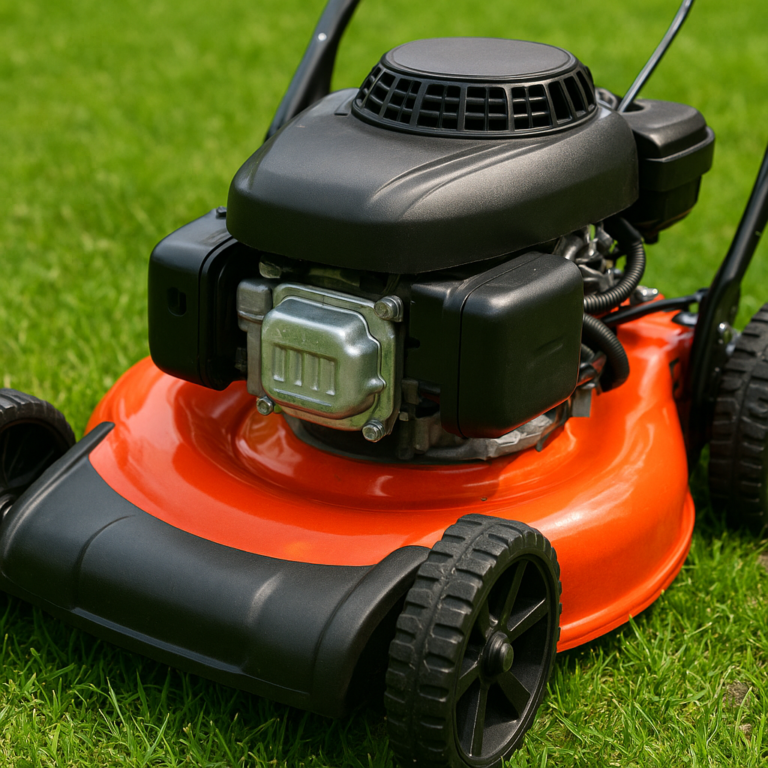
- Residential: Uses stamped steel. It’s formed from a single sheet of metal, pressed into shape. It’s lighter and cheaper, but prone to cracking under stress or impact with hidden roots.
- Commercial: Uses fabricated steel. This involves cutting multiple pieces of thick plate steel and welding them together. It creates a rigid, box-like structure that can take a beating.
The Engine: Heart of the Beast
You might see a 23 HP engine on a residential mower and a 27 HP on a commercial one. Is that a 4 HP difference? Not really.
- Residential Engines: Often use air-coled designs with simpler carburetors. They are rated for intermittent use. Running them for 8 hours straight can lead to overheating and premature failure.
- Commercial Engines: Feature larger cooling fins, heavy-duty oil filters, and often dual-element air filters. Brands like Kawasaki and Kohler offer commercial-grade lines (e.g., Kawasaki FX series) specifically designed to run at high RPMs for extended periods without losing power.
The Transmission: The Silent Workhorse
This is where the rubber meets the road.
- Belt-Driven (Residential): Uses a belt to transfer power from the engine to the wheels. Belts slip, stretch, and snap. They are cheap to replace but require frequent attention.
- Hydrostatic (Commercial): Uses hydraulic fluid to transfer power. No belts, no slipping. They offer infinite speed control and can handle the torque of a 72-inch deck on a steep hill without breaking a sweat.
⚙️ 1. Commercial-Grade Engines vs. Consumer-Grade Powerplants
Let’s get technical. Why does a commercial engine cost twice as much?
Cooling and Airflow
Commercial engines are engineered with larger cooling fans and optimized airflow paths. In a residential engine, the fan might be sized for 2 hours of operation. In a commercial unit, it’s sized for 10. If you run a residential engine at full throttle for 6 hours, you risk thermal breakdown, where the oil breaks down and the engine seizes.
Fuel Capacity and Efficiency
Have you ever stopped to refuel every 45 minutes? Commercial mowers often feature larger fuel tanks (sometimes 6+ gallons) to keep the operator in the field longer. As Adam Green from S&H Farm Supply notes in our featured video analysis, commercial units are designed to “mow 2 to 20 times a week,” necessitating extended run times without refueling.
Serviceability
- Residential: Often requires removing the deck or shrouds just to change the oil filter.
- Commercial: Designed for daily maintenance. Oil filters, air filters, and grease points are easily accessible from the operator’s seat or the side of the machine.
Pro Tip: If you see a mower with a greaseable spindle assembly, that’s a commercial feature. Residential mowers often use sealed bearings that are replaced, not greased, which can fail prematurely under heavy load.
⚙️ 2. Heavy-Duty Deck Construction and Steel Thickness
The deck is the soul of the mower. It’s where the magic happens, and it’s where the abuse is worst.
Stamped vs. Fabricated: The Showdown
| Feature | Residential Deck (Stamped) | Commercial Deck (Fabricated) |
|---|---|---|
| Construction | Single sheet of steel pressed into shape | Multiple plates welded together |
| Steel Gauge | 10 to 1 gauge (thinner) | 7 to 9 gauge (thicker) |
| Durability | Prone to bending/cracking | Resists impact and deformation |
| Airflow | Moderate vacuum | High vacuum for superior lift |
| Cost | Lower manufacturing cost | Higher manufacturing cost |
| Lifespan | 3–5 years (heavy use) | 10+ years (heavy use) |
The Airflow Advantage
A commercial deck isn’t just a metal box; it’s an aerodynamic chamber. The shape is designed to create a powerful vacuum that pulls the grass upright before the blade hits it. This results in a cleaner cut, better mulching, and superior side discharge. Residential decks often struggle with clumping in damp grass because they lack this airflow efficiency.
Deck Size and Versatility
While residential decks range from 36 to 54 inches, commercial decks often start at 52 inches and go up to 72 inches or even 84 inches.
- Why it matters: A 72-inch deck can cut an acre in a fraction of the time of a 48-inch deck. But it’s not just about speed; it’s about maneuverability. Commercial decks are often suspended or have floating designs to follow the contours of the ground, preventing scalping.
⚙️ 3. Advanced Suspension Systems and Operator Comfort
You might think, “I’m just mowing the lawn, why do I need a suspension seat?”
Because your back will thank you.
The Vibration Factor
Mowing for 4 hours on a bumpy lawn is a workout. Residential mowers often have fixed seats with minimal padding. Commercial mowers, however, are equipped with air-ride suspension seats that absorb bumps, vibrations, and shocks.
- Benefit: Reduces operator fatigue, allowing for longer work sessions without back pain.
- Feature: Many commercial models also include suspension front axles and heavy-duty tires with deep treads for traction on slopes.
Ergonomics and Controls
Commercial mowers are designed for all-day operation.
- Controls: Levers are positioned for easy reach, often with adjustable tension to suit different operators.
- Visibility: The operator’s position is optimized for clear visibility of the deck and obstacles.
- Safety: Commercial units often feature ROPS (Roll-Over Protective Structures) and advanced safety interlocks that are more robust than residential counterparts.
⚙️ 4. Hydraulic Drive Systems vs. Belt-Driven Transmissions
This is the single biggest differentiator in performance.
Belt-Driven (Residential)
- Mechanism: Engine puley drives a belt that turns the wheel puleys.
- Pros: Cheaper to manufacture and replace.
- Cons: Belts slip under load (especially on hills), stretch over time, and snap if debris gets caught. They require regular tensioning and replacement.
- Best For: Flat, small lawns with light grass.
Hydrostatic (Commercial)
- Mechanism: Engine drives a hydraulic pump, which pushes fluid to hydraulic motors at the wheels.
- Pros: No slipping, infinite speed control, smooth acceleration, and high torque for hills and heavy loads.
- Cons: More expensive to repair if the pump fails (though they rarely do if maintained).
- Best For: Large properties, slopes, and professional use.
Did You Know? As highlighted in the video by Adam Green, commercial mowers often feature hydraulic coolers to prevent the fluid from overheating during extended use. Residential mowers rarely have this, leading to transmission failure in hot weather.
⚙️ 5. Serviceability and Maintenance Intervals
Time is money, especially for a landscaping business.
Daily Maintenance
- Residential: Often requires tools and time to access filters.
- Commercial: Designed for 15-minute daily checks. Oil, air filters, and grease points are right there.
Long-Term Maintenance
- Residential: Belts and spindles may need replacement every 1–2 seasons.
- Commercial: With proper care, spindles and hydraulics can last 5–10 years. The greaseable spindles allow you to flush out old grease and contaminants, extending the life of the bearings.
Parts Availability
- Residential: Parts are often generic and available at big-box stores, but quality varies.
- Commercial: Parts are OEM-specific and available through authorized dealers. This ensures you get the exact part designed for your machine, not a “close enough” substitute.
⚙️ 6. Cutting Precision and Deck Technology
It’s not just about cutting grass; it’s about the quality of the cut.
Blade Tip Speed
Commercial mowers spin their blades at higher RPMs, creating a higher tip speed. This allows them to cut through thick, wet grass without stalling. Residential mowers often struggle in these conditions, leaving a raged, brown tip on the grass blades.
Mulching and Discharge
- Residential: Often relies on a simple mulching plug or side discharge.
- Commercial: Features advanced airflow designs that create a cyclone effect, ensuring grass clippings are finely mulched and evenly distributed. This acts as a natural fertilizer, reducing the need for baging.
Scalping Prevention
Commercial decks often feature anti-scalp wheels or floating designs that allow the deck to rise over bumps, preventing the blades from cutting into the soil. This is crucial for maintaining a healthy lawn on uneven terrain.
⚙️ 7. Warranty Terms and Long-Term Support
The warranty is a window into the manufacturer’s confidence in their product.
Residential Warranties
- Duration: Typically 2–3 years for the deck and 1–2 years for the engine.
- Coverage: Often limited to defects in materials and workmanship.
- Service: You often have to take the machine to a local repair shop, which may not be an authorized dealer.
Commercial Warranties
- Duration: Often 3–5 years for the deck and 2–4 years for the engine. Some brands offer limited lifetime warranties on the deck.
- Coverage: Covers wear and tear from normal commercial use (with some exclusions).
- Service: Requires service by an authorized dealer, ensuring the work is done correctly and parts are genuine.
Insight: A longer warranty isn’t just a piece of paper; it’s a signal that the manufacturer expects the machine to last. If they wouldn’t warranty it for 5 years, why would you buy it for 5 years of use?
💸 The Real Cost of Ownership: Price Point, Depreciation, and ROI
Let’s talk money. The sticker price of a commercial mower can be 2x to 3x that of a residential one. Is it worth it?
Initial Investment
- Residential: $1,50 – $3,50.
- Commercial: $4,0 – $10,0+.
Depreciation
- Residential: Depreciates rapidly. After 3 years, it’s worth maybe 40% of its original price.
- Commercial: Holds its value much better. A well-maintained commercial mower can retain 60–70% of its value after 5 years. This is because the demand for used commercial equipment is high among new landscapers.
ROI (Return on Investment)
For a homeowner, the ROI is measured in time saved and lawn quality.
- Time: A commercial mower can cut a 2-acre property in 45 minutes vs. 2 hours with a residential mower. That’s 1.5 hours saved per week. Over a season, that’s 30+ hours of your life back.
- Lawn Quality: A better cut means a healthier lawn, which can increase property value.
For a business, the ROI is measured in jobs per day.
- Efficiency: A commercial mower allows a landscaper to complete 20% more jobs per day, directly increasing revenue.
- Reliability: Downtime costs money. A commercial mower is less likely to break down, ensuring you show up on time.
⏱️ Workload Analysis: Matching Your Lawn Size to the Right Machine Class
How do you know which class you belong to? It’s not just about acreage; it’s about terrain and frequency.
The “Rule of Thumb”
- 0–1 Acre: Residential mower is usually sufficient.
- 1–3 Acres: The “Gray Zone.” A high-end residential or entry-level commercial mower might work.
- 3+ Acres: Commercial mower is highly recommended.
- Slopes/Obstacles: If you have steep hills or many trees, a commercial mower with better traction and maneuverability is essential, regardless of size.
The “Time Commitment” Factor
If you spend more than 2 hours mowing per week, you are likely in the commercial territory. The time savings alone can justify the investment.
The “Grass Type” Factor
If you have thick, fast-growing grass (like Bermuda or Zoysia), a residential mower will struggle. A commercial mower with higher blade tip speed and better airflow will handle it effortlessly.
🏆 Top Contenders: How Leading Brands Like John Dere, Scag, and Toro Stack Up
The market is crowded, but a few brands stand out for their commitment to quality.
John Dere
- Reputation: The gold standard for reliability and dealer support.
- Strengths: Excellent dealer network, resale value, and ergonomics.
- Weaknesses: Can be expensive and parts can be pricey.
- Best For: Homeowners who want a “buy it for life” machine and businesses that value dealer support.
Scag
- Reputation: The “workhorse” of the industry.
- Strengths: Heavy-duty construction, simple design, and ease of maintenance.
- Weaknesses: Can be heavy and less comfortable than some competitors.
- Best For: Professional landscapers who need a machine that can take a beating.
Toro
- Reputation: Innovation and comfort.
- Strengths: TimeCutter series for residential, Titan and Verdict for commercial. Great suspension systems.
- Weaknesses: Some models can be complex to service.
- Best For: Users who prioritize comfort and cuting quality.
Hustler Turf
- Reputation: The original zero-turn pioneer.
- Strengths: SmoothTrak® steering, fast cutting speed, and fabricated decks.
- Weaknesses: Can be noisy and expensive.
- Best For: Large, open properties where speed is key.
Note: For more on specific models, check out our boats and bikes categories for similar engineering insights, or dive into our audio equipment reviews for a look at how sound engineering parallels mower noise reduction.
🛠️ Why You Should Buy from a Dealer: The “We Try to Help Them” Advantage
You might be tempted to buy online for a lower price. Don’t.
The “We try to help them” philosophy isn’t just a slogan; it’s a lifeline.
The Dealer Difference
- Expertise: Dealers know the machines inside and out. They can recommend the right model for your specific needs.
- Service: If your mower breaks, a dealer can fix it quickly. Online purchases often mean shipping the whole machine or waiting weeks for parts.
- Demo: You can test drive the machine before you buy. Feel the suspension, check the visibility, and see how it handles your terrain.
- Support: Dealers often offer maintenance packages and loaner machines while yours is being serviced.
The “We Try to Help Them” Story
One of our reviewers, a former landscaper, shared a story about a mower that broke down on a critical job. He called his local dealer, who had the part in stock and fixed it in 2 hours. He later tried to buy a similar machine online, and when it broke, he was stuck for 2 weeks waiting for a part. The dealer didn’t just sell a machine; they sold peace of mind.
🔧 DIY Maintenance vs. Professional Service: What You Need to Know
Can you maintain a commercial mower yourself? Yes, but with caveats.
DIY Maintenance
- What You Can Do: Change oil, clean the deck, sharpen blades, grease spindles.
- What You Shouldn’t Do: Tweak the hydrostatic transmission, repair the engine, or replace the deck belt (unless you’re experienced).
Professional Service
- When to Call a Pro: If you hear unusual noises, if the machine loses power, or if you need a major repair.
- Benefits: Professionals have the specialized tools and training to diagnose and fix issues quickly.
Tip: Even if you do your own maintenance, schedule an annual professional tune-up to catch potential issues before they become major problems.
🤔 Common Myths Debunked: Is a Residential Mower Enough for a Large Property?
Let’s bust some myths once and for all.
Myth 1: “A bigger residential mower is the same as a small commercial one.”
False. A 54-inch residential mower is not the same as a 54-inch commercial mower. The engine, transmission, and deck are all different. The commercial one will last longer and cut better.
Myth 2: “I can just use a residential mower for a few years and then upgrade.”
Maybe. But you might end up with a broken machine and a bad lawn in the meantime. The cost of repairs and the frustration of downtime can outweigh the savings.
Myth 3: “Commercial mowers are too fast for my small lawn.”
Not necessarily. Many commercial mowers have adjustable speed controls and maneuverability that make them perfect for small, obstacle-filled lawns.
Myth 4: “I don’t need a commercial mower because I don’t mow that often.”
True. If you only mow once a week, a residential mower is fine. But if you have a large property or thick grass, a commercial mower will make the job easier and faster.
📍 Find a Lawn Mower Dealer Near You
Ready to make the switch? Finding the right dealer is crucial.
- Search Online: Use the “Find a Dealer” tool on the manufacturer’s website.
- Ask for Recommendations: Talk to other landscapers or homeowners in your area.
- Visit in Person: Check out the showroom, talk to the staff, and test drive the machines.
Don’t settle for a “maybe.” Find a dealer who is committed to helping you succeed.
🏁 Conclusion

So, where does that leave us? The choice between a commercial and residential lawn mower isn’t just about price; it’s about lifestyle, time, and long-term value.
If you have a small, flat lawn and mow once a week, a residential mower is a perfectly valid choice. It’s affordable, easy to store, and gets the job done.
But if you have a large property, step slopes, or thick grass, and you value your time and lawn quality, a commercial mower is the way to go. It’s an investment that pays off in efficiency, durability, and peace of mind.
Our Verdict:
- For the Homeowner with 1–3 Acres: Consider a high-end residential or entry-level commercial mower.
- For the Homeowner with 3+ Acres: Go commercial. The time savings and cut quality are worth every penny.
- For the Professional Landscaper: Commercial is the only choice. Your business depends on it.
Remember, the best mower is the one that fits your needs and lasts for years. Don’t be afraid to invest in quality. Your lawn (and your back) will thank you.
🔗 Recommended Links
Ready to take the plunge? Here are some top picks and resources to get you started.
Top Commercial Mowers
- Hustler Super Z: Amazon | Hustler Official
- Scag Liberty Z: Amazon | Scag Official
- Toro Titan: Amazon | Toro Official
Top Residential Mowers
- John Dere X30: Amazon | John Dere Official
- Toro TimeCutter: Amazon | Toro Official
Books & Resources
- “The Lawn Care Bible” by Edward C. Smith: Amazon
- “Zero-Turn Mower Maintenance Guide” by Popular Brands™: Read More
❓ FAQ

Which lawn mower brands are best for professional landscaping businesses?
Scag, Hustler, and Toro are widely regarded as the top choices for professional landscapers due to their durability, serviceability, and resale value. John Dere is also a strong contender for its extensive dealer network.
Can I use a commercial mower on a small residential lawn?
Yes, but it might be overkill. Commercial mowers are designed for large, open spaces. If your lawn is small and full of obstacles, a residential mower might be more maneuverable and cost-effective. However, if you value speed and cut quality, a commercial mower can still be a great choice.
Read more about “🚜 12 Top Lawn Mower Features Revealed (2026)”
What is the average lifespan of a commercial mower versus a residential one?
A well-maintained commercial mower can last 10–15 years or more, while a residential mower typically lasts 5–7 years under normal use. The difference lies in the build quality and maintenance intervals.
Do commercial lawn mower brands require special maintenance schedules?
Yes, commercial mowers require more frequent maintenance due to their heavy use. This includes daily checks of oil, air filters, and grease points, as well as regular blade sharpening and deck cleaning.
Which residential mower brands offer commercial-grade durability?
Brands like John Dere (X30 series) and Toro (TimeCutter series) offer high-end residential models that approach commercial-grade durability. However, they still lack the heavy-duty components of true commercial mowers.
How much more expensive are commercial mowers compared to residential models?
Commercial mowers are typically 2x to 3x more expensive than residential models. A residential mower might cost $2,0, while a comparable commercial mower could cost $5,0–$8,0.
What are the top commercial lawn mower brands for large properties?
Hustler, Scag, and Toro are the top choices for large properties. They offer large deck sizes (up to 72 inches), powerful engines, and advanced suspension systems.
Read more about “🌿 Top 10 Most Reliable Lawn Mower Brands for Large Yards (2026)”
Which mower brands are recommended for professional landscaping businesses?
Scag, Hustler, and Toro are the most recommended brands for professional landscaping businesses. They offer reliable performance, easy maintenance, and excellent dealer support.
Do commercial mower brands require more frequent maintenance than residential ones?
Yes, commercial mowers require more frequent maintenance due to their heavy use. This includes daily checks of oil, air filters, and grease points, as well as regular blade sharpening and deck cleaning.
What is the price difference between top commercial and residential mower brands?
The price difference can be significant. A top-tier residential mower might cost $3,0, while a comparable commercial mower could cost $6,0–$10,0. The extra cost is for durability, performance, and long-term value.
Read more about “🏆 Top 10 Lawn Mower Brands Ranked (2026)”
Are commercial mowers worth the investment for large residential properties?
Yes, for large residential properties (3+ acres), a commercial mower is often worth the investment. The time savings, cut quality, and longevity can justify the higher upfront cost.
How much longer do commercial mower engines last compared to residential models?
Commercial mower engines are designed to last 2–3 times longer than residential engines. A commercial engine can last 1,50–2,0 hours, while a residential engine might last 50–70 hours.
Which residential mower brands offer the best value for money?
Toro and John Dere offer some of the best value for money in the residential category. Their TimeCutter and X30 series provide excellent performance and durability at a reasonable price.
Read more about “🚜 8 Lawn Mower Brands: Best Value for Money (2026)”
What are the top commercial lawn mower brands for 2024?
Hustler, Scag, Toro, and John Dere are the top commercial lawn mower brands for 2024. They continue to lead the industry in innovation, durability, and performance.
Read more about “Top 50 Famous Brands List You Didn’t Know You Needed (2025) 🌟”
📚 Reference Links