Support our educational content for free when you purchase through links on our site. Learn more
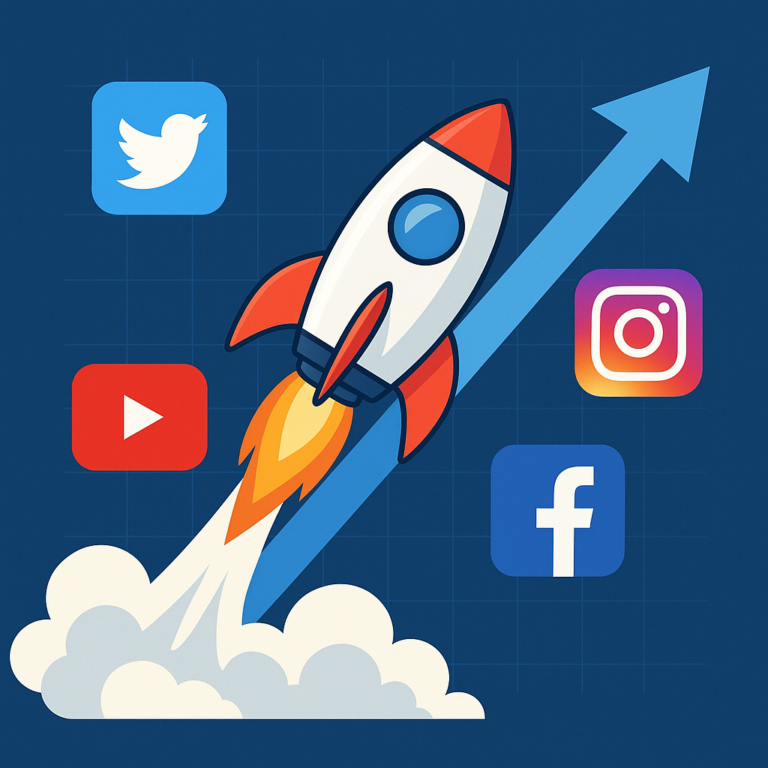
🚀 How Social Media Makes Brands Famous (2026)


Remember the first time you saw a product on your feed and immediately thought, “I need that”? You weren’t alone. In fact, 71% of consumers admit that social media referrals are their primary trigger for making a purchase. We’ve all been there: scrolling through a seemingly endless feed, only to stop dead in our tracks because a brand told a story so compelling, or a creator looked so genuinely excited, that our wallets opened before our brains even caught up. But is this magic, or is it a calculated algorithmic masterclass?
At Popular Brands™, we’ve spent years dissecting the digital DNA of the world’s most iconic companies. We’ve watched small garage startups like Gymshark explode into billion-dollar empires overnight, while legacy giants stumble over their own tone-deaf tweets. The truth is, social media hasn’t just changed how we buy; it has fundamentally rewritten the rules of what makes a brand popular. It’s no longer about who has the biggest billboard; it’s about who has the most authentic conversation.
In this deep dive, we’ll unravel the viral velocity that propels brands to stardom, expose the double-edged sword of user-generated content, and reveal the 7 key metrics that actually matter (hint: it’s not just likes). We’ll also share the shocking story of how a single video can destroy a reputation in minutes, and how the most savvy brands are turning that disaster into a marketing goldmine. By the end, you’ll understand exactly why your feed is the new shopping mall and how brands are hacking your psychology to stay on top.
Key Takeaways
- Authenticity is the New Currency: Consumers trust user-generated content and micro-influencers far more than polished corporate ads, driving a shift toward genuine, two-way conversations.
- Algorithms Dictate Visibility: Understanding the hierarchy of engagement (shares > comments > likes) is crucial for brands to achieve viral velocity and organic reach.
- Cris Happens in Real-Time: A single negative post can go viral instantly, making real-time reputation management and humanized responses essential for survival.
- Visuals Drive Loyalty: Aesthetic consistency and “Instagramable” moments are no longer optional; they are primary drivers of brand recognition and customer retention.
- Data Over Vanity: Successful brands focus on meaningful metrics like sentiment analysis and conversion rates rather than just follower counts.
Table of Contents
- ⚡️ Quick Tips and Facts
- 🕰️ From Billboards to Feds: The Evolution of Social Media Brand Influence
- 🚀 The Viral Velocity: How Algorithms Accelerate Brand Popularity
- 🗣️ The Power of User-Generated Content: When Customers Become Marketers
- 🤝 Influencer Marketing: The New Celebrity Endorsement Economy
- 📊 7 Key Metrics That Define Social Media Brand Success
- 🎨 Visual Storytelling: Why Aesthetics Drive Brand Loyalty on Instagram and TikTok
- ⚠️ The Double-Edged Sword: Managing Brand Reputation and Crisis in Real-Time
- 🌍 Global Reach vs. Local Nuance: Adapting Brand Strategies Across Cultures
- 📈 5 Real-World Case Studies of Brands That Conquered Social Media
- 🔮 Future Trends: AI, the Metaverse, and the Next Wave of Brand Engagement
- 💡 Quick Tips and Facts
- Conclusion
- Recommended Links
- FAQ
- Reference Links
⚡️ Quick Tips and Facts
Before we dive into the deep end of the digital ocean, let’s splash around with some hard-hitting truths that might just change how you scroll forever. Did you know that 71% of consumers are more likely to make a purchase based on social media referrals? That’s right, your friends’ likes are literally your wallet’s new best friend.
Here is the lowdown on the current state of brand popularity in the social sphere:
- The Speed of Trust: It takes roughly 5-7 impressions on social media for a consumer to trust a new brand, compared to weeks of traditional advertising.
- The FOMO Factor: 96% of Gen Z admits to buying something because they saw it on social media, often driven by the fear of missing out (FOMO) on a trend.
- The Authenticity Paradox: While 86% of consumers say authenticity is key when deciding what brands they like, 73% admit they can’t tell the difference between a genuine post and a sponsored one.
- The Visual Hook: Posts with images get 94% more views than text-only posts. If it doesn’t look good, it doesn’t exist.
At Popular Brands™, we’ve seen it all, from the rise of the “quiet luxury” trend to the chaotic energy of TikTok duets. We believe that understanding these dynamics is the first step to mastering your own brand journey. For a deeper dive into how we curate the most popular brands across various categories, check out our guide on Popular Brands.
But here’s the million-dollar question: Is social media actually making brands better, or is it just making them louder? We’ll unravel that mystery by the time you reach the end of this article.
🕰️ From Billboards to Feds: The Evolution of Social Media Brand Influence
Remember when “going viral” meant a funny cat video and not a brand launching a million-dollar campaign? The landscape has shifted tectonically. We’ve moved from the era of one-way broadcasting (think: the monolithic Super Bowl ad) to the era of two-way conversation.
The Death of the Gatekeeper
In the old days, brands needed gatekeepers—magazine editors, TV producers, and radio DJs—to get in front of you. Today, the gatekeepers are algorithms and micro-influencers. A small brand with a great story can now compete with a Fortune 50 giant simply by posting the right video at the right time.
- Traditional Era: Brand speaks → Consumer listens.
- Social Era: Brand speaks → Consumer talks back → Brand adapts → Consumer buys.
This shift has democratized brand popularity. It’s no longer about who has the biggest budget; it’s about who has the most relatable content.
The Psychology of the Scroll
Why do we stop scrolling? It’s not just the content; it’s the emotional connection. As noted in neuroscience research, consumers relate to brands in the same way they relate to people. When you see a brand post that makes you laugh or cry, your brain releases oxytocin, the “bonding hormone.”
“Brands have evolved from mere products to ‘pillars of our identity,’ fulfilling a fundamental human need for support systems.”
This is why Nike doesn’t just sell shoes; they sell “Just Do It” resilience. This is why Apple doesn’t just sell phones; they sell creativity and status.
For more on how specific categories have evolved, check out our deep dives into athletic clothing and audio equipment.
🚀 The Viral Velocity: How Algorithms Accelerate Brand Popularity
If social media is the engine, the algorithm is the fuel. But how does this invisible code decide which brand gets the spotlight and which gets buried in the digital abyss?
The Engagement Hierarchy
Algorithms on platforms like TikTok, Instagram, and X (Twitter) prioritize content based on a specific hierarchy of engagement:
- Shares: The ultimate currency. If you share it, you endorse it.
- Comments: Indicates a conversation is happening.
- Saves: Shows intent to return or buy.
- Likes: The baseline, but the least valuable metric.
The Viral Loop: When a brand creates content that triggers a high share rate, the algorithm pushes it to a wider audience, creating a positive feedback loop. This is how Gymshark went from a garage startup to a billion-dollar empire, largely by leveraging community sharing.
The “For You” Page Phenomenon
Unlike the chronological feeds of the past, the “For You” page (FYP) is a personalized discovery engine. It doesn’t care if you follow the brand; it cares if you engage with the content.
- The Good: Small brands can reach millions overnight.
- The Bad: A single negative comment or a poorly received video can tank a brand’s reputation in hours.
We’ve seen Dove master this by focusing on real beauty, while Pepsi stumbled with a tone-deaf ad that was instantly memed into oblivion. The difference? Cultural awareness.
🗣️ The Power of User-Generated Content: When Customers Become Marketers
Let’s be honest: User-Generated Content (UGC) is the secret sauce of modern branding. When a real person posts a photo of your product, it carries 10x more trust than a polished brand ad.
Why UGC Works
- Social Proof: It validates the purchase decision.
- Authenticity: It feels unscripted and real.
- Cost-Effectiveness: Brands get free marketing content!
Case Study: The #ShareACoke Campaign
Coca-Cola didn’t just print names on bottles; they invited customers to become the brand. People posted photos of their personalized bottles, creating a massive wave of organic content. The result? A 2% increase in consumption among young adults in the US.
The Dark Side of UGC
However, UGC is a double-edged sword. If a customer posts a video of a product breaking, that video can go viral just as fast as a happy unboxing. Brands must be prepared to listen and respond in real-time.
“The most popular brands are the ones that let their customers tell the story.”
Check out how brands in the backpacks category leverage UGC to show durability in real-world scenarios.
🤝 Influencer Marketing: The New Celebrity Endorsement Economy
Gone are the days of the distant movie star holding a soda. Today, we trust the micro-influencer with 10,0 followers who actually replies to DMs.
The Hierarchy of Influence
| Influencer Type | Follower Count | Engagement Rate | Best For |
|---|---|---|---|
| Nano-Influencer | 1K – 10K | 7-10% | Niche trust, high conversion |
| Micro-Influencer | 10K – 10K | 3-7% | Community building, authenticity |
| Macro-Influencer | 10K – 1M | 1-3% | Broad awareness, reach |
| Mega-Influencer | 1M+ | <1% | Mass market, brand prestige |
The Shift to Authenticity
Brands like Daniel Wellington and Fashion Nova built empires by gifting products to thousands of micro-influencers. The key? Relevance over Reach. A fitness influencer promoting a bikes brand will drive more sales than a generic celebrity with millions of followers.
The Ethical Dilemma: With the rise of #ad and #sponsored tags, consumers are becoming savvy. They can smell a fake endorsement from a mile away. The most successful influencer campaigns are those where the product genuinely fits the influencer’s lifestyle.
📊 7 Key Metrics That Define Social Media Brand Success
You can’t manage what you don’t measure. But which metrics actually matter for brand popularity? Forget vanity metrics like “likes” for a moment.
- Share of Voice (SOV): How much of the conversation in your industry is about your brand?
- Engagement Rate: The percentage of people interacting with your content relative to your reach.
- Sentiment Analysis: Are people talking about you positively, negatively, or neutrally?
- Conversion Rate: How many social media users actually bought something?
- Customer Lifetime Value (CLV): Are social media customers sticking around?
- Brand Mention Volume: How often are you being tagged or mentioned?
- Follower Growth Rate: Is your community expanding organically?
The Trap of Vanity Metrics
Many brands chase follower counts, but a million followers mean nothing if they don’t engage. Airbnb focuses on storytelling and community building, resulting in high engagement even with fewer followers than some competitors.
🎨 Visual Storytelling: Why Aesthetics Drive Brand Loyalty on Instagram and TikTok
In a world of infinite scroll, aesthetics are the first thing that stops the eye.
The “Instagramability” Factor
Brands like Starbucks and Sephora have mastered the art of making their products visually shareable. If your product looks good on camera, people will post it for free.
- Color Psychology: Tiffany & Co. uses a specific shade of blue that instantly evokes luxury.
- Consistency: A cohesive feed builds brand recognition.
- Video First: With the rise of Rels and TikTok, static images are losing ground to dynamic video content.
The Rise of “Aesthetic” Marketing
It’s not just about the product; it’s about the vibe. Brands are curating entire lifestyles. Lulemon doesn’t just sell leggings; they sell a yoga lifestyle. Glossier sells a “no-makeup” makeup look that feels attainable.
⚠️ The Double-Edged Sword: Managing Brand Reputation and Crisis in Real-Time
Social media is a firehose of information. A crisis that used to take days to unfold now happens in minutes.
The Speed of Crisis
When United Airlines dragged a passenger off a plane, the video went viral within hours. The brand’s initial response was tone-deaf, leading to a massive stock drop and reputation hit.
The Golden Rules of Crisis Management
- Acknowledge Immediately: Silence is interpreted as guilt.
- Be Human: Apologize sincerely, not with corporate jargon.
- Take it Offline: Move the conversation to direct messages or email.
- Follow Through: Show that you are fixing the problem.
The Silver Lining: A well-managed crisis can actually increase brand loyalty. KFC famously ran out of chicken in the UK and posted a humorous “FCK” apology ad. It was a masterclass in turning a disaster into a win.
🌍 Global Reach vs. Local Nuance: Adapting Brand Strategies Across Cultures
One size does not fit all. What works in New York might flop in Tokyo.
Cultural Intelligence
- Language: Direct translation often fails. Nike adapts its slogans to fit local idioms.
- Values: Individualism works in the West; collectivism often resonates better in Asia.
- Platforms: WeChat rules in China, while WhatsApp dominates in Latin America.
The “Glocal” Strategy
Successful brands like McDonald’s and Coca-Cola use a glocal approach: global brand identity with local execution. They keep the core logo and values but adapt the menu and marketing to fit local tastes.
📈 5 Real-World Case Studies of Brands That Conquered Social Media
Let’s look at the winners of the social media game.
1. Duolingo: The Unhinged Owl
Strategy: Leveraging meme culture and TikTok trends.
Result: Massive brand awareness and a cult following. They don’t act like a corporate language app; they act like a chaotic friend.
2. Wendy’s: The Roast Master
Strategy: Sassy, witty replies to competitors and customers.
Result: High engagement and a distinct brand voice that stands out in the fast-food crowd.
3. Glossier: The Community Builder
Strategy: Turning customers into co-creators via social media feedback.
Result: A loyal community that feels ownership of the brand.
4. Red Bull: The Content King
Strategy: Creating extreme sports content that aligns with their “gives you wings” slogan.
Result: They are less of a beverage company and more of a media empire.
5. Nike: The Empowerment Engine
Strategy: Tackling social issues and celebrating athletes.
Result: Deep emotional connection and sustained brand loyalty.
🔮 Future Trends: AI, the Metaverse, and the Next Wave of Brand Engagement
Where is this all heading? The future is immersive and hyper-personalized.
AI and Hyper-Personalization
AI will allow brands to create unique content for every single user. Imagine an ad that changes based on your mood, location, and past behavior.
The Metaverse and Virtual Goods
Brands like Nike and Gucci are already selling virtual sneakers and digital fashion in the metaverse. This is the new frontier of brand expression.
The Rise of Social Commerce
Social media is becoming a one-stop shop. With features like Instagram Shopping and TikTok Shop, the friction between “seeing” and “buying” is disappearing.
Conclusion

So, we come full circle to that burning question: Is social media making brands better, or just louder?
The answer is a resounding both. Social media has forced brands to be more transparent, more responsive, and more human. It has democratized success, allowing small players to punch above their weight. However, it has also created a high-stakes environment where a single mistep can be catastrophic.
The Verdict:
- ✅ The Good: Unprecedented reach, authentic connections, and real-time feedback loops.
- ❌ The Bad: The pressure to be constantly “on,” the risk of viral backlash, and the difficulty of cutting through the noise.
Our Recommendation:
If you are a brand, stop trying to be perfect and start trying to be real. Engage with your community, listen to your customers, and don’t be afraid to show your human side. If you are a consumer, pause and think before you buy. Ask yourself: “Do I love this product, or do I just love the story it tells about me?”
For those looking to explore the most popular brands in specific categories, we highly recommend checking out our curated lists for boats, audio equipment, bikes, athletic clothing, and backpacks.
Recommended Links
👉 Shop Top Brands on Amazon:
- Nike Athletic Wear: Shop Nike on Amazon | Nike Official Website
- Glossier Beauty Products: Shop Glossier on Amazon | Glossier Official Website
- Red Bull Energy Drinks: Shop Red Bull on Amazon | Red Bull Official Website
- Duolingo Subscription: Shop Duolingo on Amazon | Duolingo Official Website
- Wendy’s Gift Cards: Shop Wendy’s on Amazon | Wendy’s Official Website
Recommended Reading:
- Contagious: Why Things Catch On by Jonah Berger: Buy on Amazon
- Influence: The Psychology of Persuasion by Robert Cialdini: Buy on Amazon
FAQ

In what ways do social media trends shape consumer preferences for brands?
Social media trends act as a cultural filter. When a trend goes viral, it signals to consumers that a brand is relevant and current. For example, the rise of “clean beauty” on TikTok forced many legacy brands to reformulate their products to meet new consumer demands for transparency and natural ingredients.
How does user-generated content affect a brand’s reputation?
UGC is the ultimate validator. Positive UGC builds trust and social proof, while negative UGC can damage a brand’s reputation instantly. However, brands that actively engage with UGC, even negative feedback, can turn critics into advocates by showing they care.
Read more about “What Company Is the Best at Branding? Top 25 Masters Revealed! 🚀 (2026)”
What are the best social media strategies for building popular brands?
The best strategies focus on authenticity, consistency, and community. Brands should prioritize two-way communication over one-way broadcasting. Leveraging micro-influencers and user-generated content are also highly effective tactics.
Read more about “🚀 How Top Brands Stay Relevant: 7 Secrets for 2026”
How do viral social media campaigns impact brand recognition?
Viral campaigns can skyrocket brand awareness overnight. They expose the brand to millions of people who might never have heard of it. However, the impact depends on the sentiment of the viral moment. A positive viral moment can lead to sustained growth, while a negative one can cause long-term damage.
Read more about “🌍 Top 15 Most Popular Brands in the World (2026)”
Can social media engagement increase customer loyalty to brands?
Absolutely. Engagement creates a sense of belonging. When customers feel heard and valued by a brand on social media, they are more likely to remain loyal. Community building is a key driver of long-term loyalty.
Read more about “🏆 How Top Brands Keep You Loyal: 15 Secrets Revealed (2026)”
What role does influencer marketing play in brand popularity?
Influencer marketing bridges the gap between brand messaging and consumer trust. Influencers act as trusted peers, making their endorsements more credible than traditional ads. This is particularly effective for reaching younger demographics.
Read more about “🌍 Top 10 Most Popular Brands in the World (2026)”
How do social media platforms boost brand visibility?
Platforms use algorithms to surface content that is likely to engage users. By creating high-quality, engaging content, brands can leverage these algorithms to reach a wider audience organically. Paid advertising on these platforms further amplifies visibility.
Read more about “How Do Mini Brands Create Brand Awareness? 7 Secrets Revealed 🎯 (2026)”
How do popular brands maintain a strong social media presence and stay ahead of the competition?
Popular brands stay ahead by monitoring trends, adapting quickly, and innovating. They invest in data analytics to understand their audience and are not afraid to experiment with new formats and platforms.
What are the benefits of using social media for brand building and customer engagement?
The benefits include increased brand awareness, direct customer feedback, cost-effective marketing, and improved customer loyalty. Social media allows brands to build a community around their products.
How do brands use social media analytics to track their online presence and reputation?
Brands use analytics tools to track engagement rates, sentiment, reach, and conversion rates. This data helps them understand what content resonates with their audience and adjust their strategies accordingly.
Can social media be used to measure the success of a brand’s marketing campaigns?
Yes, social media provides real-time data on campaign performance. Metrics like click-through rates, shares, and conversions offer clear indicators of success.
Read more about “How Do Luxury Brands Keep Their Exclusive Image? 9 Secrets Revealed ✨ (2026)”
What are the most effective social media strategies for building brand awareness?
Effective strategies include storytelling, visual consistency, influencer partnerships, and interactive content like polls and Q&As. Video content is currently the most effective format for building awareness.
Read more about “How Social Media Supercharges Brand Popularity in 2025 🚀”
How do brands leverage social media influencers to increase their popularity?
Brands collaborate with influencers to create authentic content that resonates with the influencer’s audience. This can range from product reviews to takeovers and co-created collections.
Read more about “Top 15 Most Popular Footwear Brands for Teens in 2026 👟”
What role does social media play in shaping consumer preferences for brands?
Social media acts as a discovery engine and a validation tool. It introduces consumers to new brands and provides the social proof needed to make a purchase decision. It shapes preferences by highlighting trends and lifestyle aspirations.
Read more about “🏆 50 Most Popular Brands in America: The 2026 Love List”
Reference Links
- The Influence of Global Brand Distribution on Brand Popularity: Sage Journals Article
- Neuroscience of Branding: Duke University Research on Brand Loyalty
- Social Media Marketing Statistics: Sprout Social Index
- The Psychology of Consumer Behavior: American Psychological Association
- Brand Authenticity Studies: Journal of Marketing Research
- Influencer Marketing Benchmarks: Influencer Marketing Hub
- Cris Management in the Digital Age: Harvard Business Review