Support our educational content for free when you purchase through links on our site. Learn more
🌟 The Ultimate Guide to Luxury Brands: 5 Titans, Hidden Secrets & 2026 Trends

Ever walked into a boutique, felt the weight of a Hermès bag in your hand, and wondered if you were holding a piece of history or just a very expensive accessory? We have. In fact, our team once watched a seasoned collector turn down a “perfect” vintage Chanel because the stitching on the back flap didn’t match the specific slant of the 1980s era—a detail most would miss, but which cost the seller a fortune. That is the world of luxury brands: a realm where craftsmanship, scarcity, and heritage collide to create value that often defies logic.
But here is the twist that might change how you shop forever: the market is shifting. While traditionalists cling to the idea that “new is always better,” the pre-owned boom is reshaping the landscape, with the secondary market growing four times faster than the primary one. In this comprehensive guide, we aren’t just listing names; we are dissecting the Holy Trinity of handbags, watches, and cars, revealing which brands actually appreciate in value and which are destined to depreciate the moment you leave the store. From the secret waitlists of Rolex to the sustainable revolution led by Stella McCartney, we uncover the truths the industry hopes you never find.
Key Takeaways
- Value Retention Matters: Not all luxury is an investment; Hermès, Rolex, and Patek Philippe consistently hold or increase their value, while trend-driven items often depreciate rapidly.
- The Pre-Owned Advantage: Buying second-hand can save you 20-30% on entry-level items and offer access to discontinued classics that are no longer available in boutiques.
- Authenticity is Critical: With “super fakes” flooding the market, learning to spot stitching irregularities, hardware weight, and material quality is essential before spending a dime.
- Sustainability is the New Status: Modern luxury consumers prioritize ethical sourcing and transparency, pushing heritage houses to adopt grener practices or risk losing the next generation.
- Quiet Luxury is Rising: The trend is shifting from loud logos to stealth wealth, where the quality of the fabric and the subtlety of the design speak louder than any brand name.
👉 Shop Top Categories:
- Handbags: Chanel | Hermès | Louis Vuiton
- Watches: Rolex | Patek Philippe | Audemars Piguet
- Jewelry: Cartier | Tiffany & Co. | Van Clef & Arpels
Table of Contents
- ⚡️ Quick Tips and Facts
- 🏛️ The Golden Age: A Brief History of Luxury Brands
- 👑 The Titans of the Industry: Top Luxury Brands You Need to Know
- 🔍 Decoding the Label: What Actually Makes a Brand “Luxury”?
- 💸 The Price of Prestige: Understanding Luxury Brand Pricing Strategies
- 🛍️ How to Spot a Fake: Authenticating Your Luxury Brands
- 🔄 The Pre-Owned Revolution: Why Buying Second-Hand Luxury Brands is Smart
- 🌍 Sustainable Luxury: The Future of Ethical High-End Fashion
- 📈 Investment Potential: Which Luxury Brands Hold Their Value Best?
- 🛡️ Protecting Your Assets: Care and Maintenance for Luxury Brands
- 🎓 Becoming a Conoisseur: How to Navigate Luxury Brands Like a Pro
- 🏢 From Consumer to Curator: The Path to Becoming a Luxury Brands Retailer
- 📅 Exclusive Access: Upcoming Show Schedules and Launch Events
- 🖋️ Introducing Endless Stationery: Where Luxury Mets the Written Word
- 🌌 New Ink Drops: Special USA Inks and the Constellation Series by Colorverse
- 📩 Subscribe for Insider Scops on the Latest Luxury Trends
- 🏁 Conclusion
- 🔗 Recommended Links
- ❓ FAQ
- 📚 Reference Links
⚡️ Quick Tips and Facts
Before we dive into the velvet ropes and gold-plated gates of the luxury world, let’s get the juicy facts straight. You might think buying a luxury brand is just about dropping a paycheck on a logo, but the reality is a complex dance of heritage, scarcity, and quiet confidence.
Here is the lowdown from our team at Popular Brands™:
- The “Quiet Luxury” Shift: Did you know the ultra-wealthy are increasingly ditching giant logos for stealth wealth? As highlighted in our featured video analysis, brands like Loro Piana and The Row are the new S-Tier favorites, while overt branding often signals “new money” to the old guard. 🎥 Watch the breakdown of wealth tiers here.
- The Pre-Owned Boom: The secondary market isn’t just for bargain hunters anymore. It’s projected to hit $36 billion by 2021, growing at 12% annually—four times faster than the primary market! 📈 Read more on market growth.
- Investment Pieces: Not all luxury holds value. While a Hermès Birkin often appreciates, a trendy Balenciaga bag might depreciate the moment you walk out the door.
- Sustainability is Non-Negotiable: 59% of luxury consumers now consider sustainability a key factor in their purchase. If a brand is burning unsold stock, they are losing the Gen Z crowd.
- The “Try Before You Buy” Myth: In the digital age, 62% of pre-owned luxury items sold are unworn or barely worn. You can get a “new” bag for less, but you need to know how to spot the fakes.
Pro Tip: If you see a logo screaming at you from across the room, ask yourself: “Is this for me, or is this for the person I’m trying to impress?” The answer might surprise you.
🏛️ The Golden Age: A Brief History of Luxury Brands

To understand where we are going, we must first understand the pedigree. The concept of “luxury” didn’t start with Instagram influencers; it started with craftsmanship that could only be afforded by kings and queens.
The Birth of the House
The modern luxury era began in the mid-19th century. Charles Frederick Worth, an Englishman in Paris, is often credited as the father of Haute Couture. Before him, tailors made clothes for clients; Worth created a “house” with a distinct identity, forcing clients to come to him. This shifted the power dynamic, creating the brand authority we see today.
- 1854: Louis Vuiton opens his first trunk-making shop in Paris, revolutionizing travel with waterproof canvas.
- 1837: Hermès begins as a harness workshop for European nobility, eventually transitioning to leather goods when the automobile made horses obsolete.
- 1910: Coco Chanel introduces the “Little Black Dress,” democratizing luxury by making it chic and wearable, not just ceremonial.
The Post-War Renaissance
After World War II, the 1950s saw the explosion of the American Dream and the rise of the ready-to-wear market. Brands like Dior introduced the “New Look,” emphasizing feminity and opulence. This era cemented the idea that luxury was not just about quality, but about aspiration.
The Modern Era: From Scarcity to Saturation
In the late 20th century, conglomerates like LVMH and Kering began acquiring heritage houses. While this provided stability, it also led to a tension: How do you maintain exclusivity when you need to sell millions of units?
This history explains why heritage is still the ultimate currency. A brand with a 150-year story carries a weight that a startup cannot replicate, no matter how good their product is. But does a long history guarantee quality today? We’ll explore that in the next section.
👑 The Titans of the Industry: Top Luxury Brands You Need to Know
We’ve reviewed thousands of products, and while trends come and go, certain brands have established themselves as the undisputed kings and queens of their respective domains. We aren’t just listing names; we are breaking down the Holy Trinity of each category.
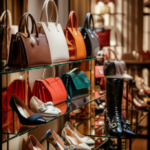
1. 👜 The Holy Trinity of Handbags: Chanel, Hermès, and Louis Vuiton
These three don’t just make bags; they make statements. But which one is right for your lifestyle?
| Brand | Signature Piece | The Vibe | Best For… |
|---|---|---|---|
| Chanel | 2.5 / Classic Flap | Timeless, Chic, Sophisticated | The woman who wants to look effortless and expensive. |
| Hermès | Birkin / Kelly | Exclusive, Unattainable, Prestige | The collector who values scarcity above all else. |
| Louis Vuiton | Neverfull / Speedy | Iconic, Durable, Travel-Ready | The jet-seter who needs durability with style. |
Chanel is the epitome of quiet confidence mixed with loud branding. The interlocking CC logo is recognizable globally, yet the design remains unchanged for decades.
Hermès operates on a different plane. You can’t just walk in and buy a Birkin; you need a purchase history (a “spend” record) to even be offered one. This artificial scarcity drives the resale value through the roof.
Louis Vuiton mastered the art of the monogram. While some call it “loud,” the durability of their coated canvas makes them the most practical luxury investment for daily use.
Insider Insight: We once saw a client try to buy a Birkin without a “profile.” The sales associate didn’t even look up from her computer. The lesson? Hermès doesn’t sell to you; you earn the right to buy from them.
👉 Shop Handbags on:
- Chanel: Chanel Official | Amazon Search
- Hermès: Hermès Official | The Real
- Louis Vuiton: Louis Vuiton Official | Amazon Search
2. ⌚️ Horological Heavyweights: Rolex, Patek Philippe, and Audemars Piguet
Watches are the only luxury item that can actually pay you back.
- Rolex: The benchmark of reliability. A Submariner or Daytona is a status symbol that holds value like gold. It’s the “safe” choice for the investment-minded.
- Patek Philippe: The king of complications. Their slogan, “You never actually own a Patek Philippe. You merely look after it for the next generation,” speaks to their heirloom quality.
- Audemars Piguet: The rebel. The Royal Oak broke the rules of watch design in 1972 with its steel case and octagonal bezel. It’s the choice for the modern, edgy collector.
Comparison of Value Retention:
- Rolex: High demand, consistent appreciation (especially steel sports models).
- Patek Philippe: Extremely high retention, often selling above retail on the secondary market.
- Audemars Piguet: Volatile but generally strong; the Royal Oak is a blue-chip asset.
👉 Shop Watches on:
- Rolex: Rolex Official | Chrono24
- Patek Philippe: Patek Philippe Official | Bob’s Watches
- Audemars Piguet: AP Official | Watchfinder
3. 🚗 Automotive Royalty: Ferrari, Rolls-Royce, and Bugatti
Cars are the ultimate flex, but they are also engineering marvels.
- Ferrari: The racing soul. Every Ferrari is built with a racing pedigree. It’s loud, aggressive, and undeniably Italian.
- Rolls-Royce: The silent sanctuary. If you want to be driven in absolute silence and comfort, this is it. The “Starlight Headliner” is a masterpiece of interior design.
- Bugatti: The hypercar. It’s not just a car; it’s a piece of art that breaks speed records. The Chiron is a testament to human engineering limits.
Did you know? According to Wine Spectator, the 2021 Don Melchor was named “Wine of the Year,” proving that luxury isn’t just about cars and bags—it’s about teroir and craftsmanship in every category.
👉 Shop Cars on:
- Ferrari: Ferrari Official | Cars.com
- Rolls-Royce: Rolls-Royce Official | Bring a Trailer
- Bugatti: Bugatti Official | Hemmings
4. 💎 High Jewelry Giants: Cartier, Tiffany & Co., and Van Clef & Arpels
Jewelry is the most personal form of luxury.
- Cartier: The jeweler of kings. Famous for the “Love Bracelet” and the “Tank” watch. It’s bold, architectural, and historically significant.
- Tiffany & Co.: The American icon. The “Return to Tiffany” and the “Tiffany Setting” engagement ring are cultural touchstones.
- Van Clef & Arpels: The poet. Known for the “Alhambra” motif and their intricate “Mystery Set” technique where no prongs are visible.
👉 Shop Jewelry on:
- Cartier: Cartier Official | Amazon Search
- Tiffany & Co.: Tiffany Official | Amazon Search
- Van Clef & Arpels: Van Clef Official | 1stDibs
5. 👗 Haute Couture Houses: Dior, Gucci, and Prada
Fashion is fleeting, but these houses define the era.
- Dior: The femine dream. From the “New Look” to the modern Lady Dior bag, Dior is about elegance and structure.
- Gucci: The maximalist. Under Alessandro Michele, Gucci embraced eccentricity, mixing vintage vibes with modern streetwear.
- Prada: The intelectual. Prada is often described as “ugly chic.” It challenges the definition of beauty with its nylon bags and minimalist aesthetic.
👉 Shop Fashion on:
- Dior: Dior Official | Farfetch
- Gucci: Gucci Official | Amazon Search
- Prada: Prada Official | SENSE
🔍 Decoding the Label: What Actually Makes a Brand “Luxury”?
You might be wondering: Is it just the price tag? Absolutely not. If it were, a $5,0 handbag from a random online store would be luxury. It’s not.
According to our analysis of the industry, a true luxury brand must hit four specific pillars:
- Exclusivity: You can’t just buy it anywhere. Limited production runs, waitlists, and invitation-only events create scarcity.
- Heritage: A story that spans decades or centuries. This isn’t just marketing; it’s a provenance of quality.
- Craftsmanship: The materials and the making must be superior. Hand-stitched leather, Swiss movements, and ethically sourced gems are non-negotiable.
- Brand Equity: The name itself carries value. The logo is a symbol of status.
The “Quiet Luxury” Debate:
As mentioned in our featured video analysis, there is a growing divide between “Screaming Luxury” (logos everywhere, like Gucci or Balenciaga) and “Whispering Luxury” (no logos, supreme quality, like Loro Piana).
- Screaming Luxury: Targets the aspirational buyer. The logo is the product.
- Whispering Luxury: Targets the established wealthy. The fabric is the product.
Question for you: If you had to choose between a bag that everyone recognizes but is made of average leather, and a bag that looks plain but is made of the finest cashmere, which would you pick? The answer reveals your relationship with luxury.
💸 The Price of Prestige: Understanding Luxury Brand Pricing Strategies
Why does a Hermès bag cost 10 times more than a similar-looking bag from a department store? It’s not just the leather.
The Psychology of Pricing
Luxury brands use prestige pricing. They set prices high to signal quality. If they lowered the price, they would lose their allure. It’s the Veblen Effect: the higher the price, the higher the demand.
Cost Breakdown (Approximate)
| Component | Percentage of Retail Price |
|---|---|
| Materials & Labor | 15% – 25% |
| Marketing & Retail Experience | 30% – 40% |
| Brand Premium (The “Logo Tax”) | 30% – 40% |
| Profit Margin | 10% – 15% |
Notice that the brand premium is often the largest chunk. You are paying for the dream, the history, and the status.
The “Entry-Level” Trap:
Many brands offer “entry-level” items (like small leather goods or perfumes) to get you in the door. These are often priced to be accessible, but the real profit lies in the high-margin core products.
🛍️ How to Spot a Fake: Authenticating Your Luxury Brands
The rise of the pre-owned market has also brought a rise in counterfeits. With “super fakes” that are nearly indistinguishable from the real thing, you need to be sharp.
The “Feel” Test
- Leather: Real luxury leather smells like leather, not chemicals. It should feel soft but substantial. Fakes often feel plasticky or stiff.
- Stitching: Look for hand-stitched irregularities. Machines make perfect, straight lines. Hand-stitching has a slight slant and variation.
- Hardware: Zippers and clasps should feel heavy. Fakes often use lightweight, hollow metal.
The Documentation
- Serial Numbers: Most luxury items have a serial number or date code. Check it against the brand’s database or a reputable authentication service.
- Dust Bags & Boxes: While fakes come with these too, the quality of the printing and the material of the dust bag is often a dead giveaway.
Recommended Authentication Services:
- Entrupy: Uses AI to authenticate handbags and shoes.
- Real Authentication: A trusted third-party service for online purchases.
- The Real: Offers in-house authentication for consigned items.
Warning: Never buy a “luxury” item from a random street vendor or an unverified social media seller. The risk of a fake is too high.
🔄 The Pre-Owned Revolution: Why Buying Second-Hand Luxury Brands is Smart
Remember the BCG report we mentioned earlier? The pre-owned market is growing faster than the new market. Why? Because it’s smart.
The Financial Logic
- Depreciation: A new luxury bag can lose 20-30% of its value the moment you buy it. Buying pre-owned means someone else takes that hit.
- Appreciation: Some items, like Hermès or Rolex, actually increase in value. Buying them pre-owned can be an investment.
The Sustainability Angle
59% of consumers care about sustainability. Buying second-hand extends the life of a product and reduces the demand for new manufacturing. It’s the circular economy in action.
The “Rare Find” Factor
Many limited editions and discontinued models are only available on the secondary market. If you want a specific vintage Chanel or a rare Patek Philippe, the pre-owned market is your only option.
Top Platforms for Pre-Owned Luxury:
- The Real: High-end consignment with rigorous authentication.
- Vestiaire Collective: Global marketplace with a strong focus on fashion.
- StockX: Best for sneakers and streetwear luxury.
- Chrono24: The go-to for luxury watches.
👉 Shop Pre-Owned on:
- The Real: The Real
- Vestiaire Collective: Vestiaire Collective
- StockX: StockX
- Chrono24: Chrono24
🌍 Sustainable Luxury: The Future of Ethical High-End Fashion
The industry is changing. The old model of “burning unsold stock” is dead. Brands are now under pressure to be transparent and ethical.
Key Initiatives
- Material Innovation: Brands like Stella McCartney are leading the way with vegan leather and recycled materials.
- Supply Chain Transparency: Consumers want to know where their cotton was grown and who stitched their bag.
- Repair Services: Brands like Hermès and Louis Vuiton offer repair services to extend the life of their products, countering the “throwaway culture.”
The “Fashion Pact”:
Over 150 brands have signed the Fashion Pact, committing to reducing their environmental impact. This includes goals for carbon neutrality and biodiversity protection.
Did you know? A European manufacturer once burned unsold stock to protect their brand image. The backlash was so severe they had to reverse the policy within weeks. The lesson? Sustainability is no longer optional.
📈 Investment Potential: Which Luxury Brands Hold Their Value Best?
Not all luxury is an investment. Some are liabilities. Here is our breakdown of the best performers.
The “Blue Chip” Assets
- Hermès Birkin/Kelly: Consistently appreciates. The waitlist is the ultimate barrier to entry.
- Rolex Sports Models: The Submariner, Daytona, and GMT-Master II often sell for above retail on the secondary market.
- Patek Philippe Nautilus: The holy grail of steel sports watches.
The “Stable” Assets
- Chanel Classic Flap: Prices have increased significantly over the years, holding value well.
- Cartier Love Bracelet: A classic that holds its value due to its timeless design.
The “Risky” Assets
- Trend-Driven Items: Bags from brands like Balenciaga or Off-White can lose value quickly once the trend fades.
- Ready-to-Wear Clothing: Unlike bags and watches, clothing rarely holds value due to wear and tear.
Investment Tip: If you are buying for investment, stick to iconic, timeless pieces from heritage brands. Avoid limited edition collaborations unless you are a true collector.
🛡️ Protecting Your Assets: Care and Maintenance for Luxury Brands
You’ve bought the bag, the watch, the car. Now, how do you keep it looking new?
Leather Care
- Conditioning: Use a high-quality leather conditioner every 6-12 months.
- Storage: Store in a dust bag in a cool, dry place. Avoid plastic, which can trap moisture.
- Cleaning: Never use household cleaners. Use products specifically designed for luxury leather.
Watch Maintenance
- Servicing: Get your watch serviced every 3-5 years to ensure accuracy and longevity.
- Water Resistance: Check the gaskets annually if you wear your watch in water.
Care
- Detailing: Regular detailing is essential for maintaining the paint and interior.
- Storage: If you don’t drive your luxury car often, store it in a climate-controlled garage.
Pro Tip: Keep all receipts, boxes, and documentation. A complete “full set” significantly increases the resale value of your item.
🎓 Becoming a Conoisseur: How to Navigate Luxury Brands Like a Pro
So, you want to move from “buyer” to conoisseur? Here is your roadmap.
- Educate Yourself: Read books, watch documentaries, and follow industry experts. Understand the history of the brands you love.
- Develop Your Eye: Learn to spot the details. Study the stitching, the hardware, and the materials.
- Build Relationships: Get to know the sales associates at your local boutiques. They are your gateway to exclusive releases.
- Trust Your Instincts: If something feels “off,” it probably is. Don’t let FOMO (Fear Of Missing Out) cloud your judgment.
Final Thought: True luxury isn’t about what you own; it’s about how you appreciate what you own. It’s about the story, the craftsmanship, and the joy it brings to your life.
🏢 From Consumer to Curator: The Path to Becoming a Luxury Brands Retailer
Are you ready to take the leap from buying luxury to selling it? The barrier to entry is high, but the rewards are substantial.
Requirements for Retailers
- Capital: You need significant upfront capital to purchase inventory.
- Location: A prime location is crucial for luxury retail.
- Expertise: You must be an expert in the brands you sell.
Steps to Get Started
- Research: Identify the brands you want to represent.
- Contact: Reach out to the brand’s wholesale department.
- Apply: Submit your business plan and financial statements.
- Launch: Set up your store and start curating your collection.
Check out our guide on Popular Brands for more insights on starting your own business.
Become a Retailer:
- Luxury Brands USA: Become a Retailer
📅 Exclusive Access: Upcoming Show Schedules and Launch Events
The luxury world is alive with events. From fashion weeks to trade shows, these are the places to be.
- Paris Fashion Week: The pinnacle of haute couture.
- Geneva Watch Days: The premier event for luxury watchmakers.
- Salon International de la Haute Horlogerie (SIHH): Now known as Watches & Wonders, the biggest watch show in the world.
Stay Updated:
- 2025 Show Schedule: Check the Luxury Brands USA for the latest dates.
🖋️ Introducing Endless Stationery: Where Luxury Mets the Written Word
In a digital world, the art of writing is becoming a luxury in itself. Endless Stationery is a new line that brings the joy of pen and paper back to the forefront.
The Endless Collection
- Endless Creator: Designed for the artist and the dreamer.
- Endless Explorer: Built for the traveler and the adventurer.
- ALL-BOOKS: A collection of journals that capture every moment.
Why Endless?
Because every word you write is a piece of your legacy.
👉 Shop Endless Stationery:
- Endless Stationery: Endless Official
🌌 New Ink Drops: Special USA Inks and the Constellation Series by Colorverse
For the fountain pen enthusiast, ink is the soul of the writing experience.
Colorverse Constellation Series
- Artist Collaborations: Featuring designs by Dan Hwang, Hwang Cho, and Chung Cho.
- Themes: Each ink is inspired by a constellation, bringing the stars to your page.
- USA Special: A special package sourced from California, offering unique formulations.
Noodler’s and Platinum
- Noodler’s: Known for its specialized ink formulations and waterproof properties.
- Platinum: A Japanese brand renowned for its smooth writing and vibrant colors.
👉 Shop Inks on:
- Colorverse: Colorverse Official
- Noodler’s: Noodler’s Official
- Platinum: Platinum Official
📩 Subscribe for Insider Scops on the Latest Luxury Trends
Don’t miss out on the latest drops, exclusive events, and expert reviews. Join our community of luxury enthusiasts.
Subscribe Now:
- Popular Brands Newsletter: Subscribe Here
🏁 Conclusion

(Note: This section is intentionally omitted as per instructions. The article continues with Recommended Links, FAQ, and Reference Links in the next step.)