Support our educational content for free when you purchase through links on our site. Learn more
🧵 What Makes a Brand a Designer Brand? 10 Key Signs

What makes a brand a designer brand? It’s the creative vision behind the products: a distinctive design identity, original choices, and a consistent point of view. A high price or famous logo may signal prestige, but neither proves that a brand is truly design-led.
We’ve seen the difference firsthand while comparing labels: take away the logo, and some products still have a recognizable shape, finish, or feel. Others lose most of their appeal. That’s a useful clue—and it’s why we look beyond the label to examine design, quality, transparency, and how a specific product fits your life.
Designer, luxury, and premium brands can overlap, but they aren’t synonyms. Below, we break down the 10 hallmarks of a designer brand and share a practical way to judge whether the product—not just the story—is worth your attention.
Key Takeaways
- Creative vision is the defining feature: A designer brand has a recognizable point of view that shows up in its products.
- A logo and high price aren’t proof: Check design details, materials, construction, and product information.
- Designer, luxury, and premium mean different things: A brand may fit more than one category, but each describes a different aspect of its positioning.
- Judge the item, not just the label: Quality, comfort, durability, care, repairs, and authenticity can vary between products from the same brand.
- Buy for your own reasons: A designer piece may be worth it for its design, craftsmanship, service, or personal meaning—not because resale value is guaranteed.
Table of Contents
- ⚡️ Quick Tips and Facts
- 🧵 What Makes a Brand a Designer Brand?
- Designer Brand Meaning and Key Characteristics
- Is “Designer” a Legal or Regulated Label?
- 📜 The History of Designer Fashion and Luxury Brands
- 🔍 10 Hallmarks of a Designer Brand
- 1. A Recognizable Creative Vision
- 2. Original Design and Signature Details
- 3. Skilled Craftsmanship and Quality Control
- 4. Carefully Chosen Materials
- 5. A Distinctive Brand Heritage
- 6. Limited or Deliberately Managed Distribution
- 7. Premium Pricing and Brand Positioning
- 8. Strong Brand Recognition
- 9. Consistent Customer Experience
- 10. Responsibility, Transparency, and Repair
- 🏷️ Designer vs. Luxury vs. Premium Brands
- Designer, High-End, and Affordable Designer Labels
- Designer Brands vs. Fast Fashion and Mass Market
- Where Contemporary Brands Fit
- 👜 What Counts as a Designer Brand Across Categories?
- Designer Clothing and Fashion Houses
- Designer Handbags, Shoes, and Accessories
- Designer Jewelry, Watches, Beauty, and Homeware
- 🏛️ How Designer Brands Build Value and Prestige
- Brand Identity, Storytelling, and Cultural Influence
- Exclusivity, Scarcity, and Brand Demand
- Celebrity Endorsements and Fashion Shows
- 🧠 How to Tell If a Brand Is Truly a Designer Brand
- A Practical Designer Brand Checklist
- Questions to Ask Before You Buy
- Red Flags: When “Designer” Is Mostly Marketing
- 💳 Are Designer Brands Worth the Money?
- Quality, Cost per Wear, and Longevity
- Resale Value and Investment Claims
- When a Designer Purchase Makes Sense
- 🛍️ How to Shop Designer Brands More Wisely
- Buying New, Pre-Owned, or Vintage
- Authenticity Checks and Counterfeit Warning Signs
- Care, Repairs, and Protecting Your Purchase
- 🌱 Sustainability and Ethics in Designer Fashion
- 🌍 Recommended Designer Brand Examples
- Established Luxury Fashion Houses
- Independent and Contemporary Designers
- How to Research a Brand’s Credentials
- ✅ Conclusion
- 🔗 Recommended Links
- ❓ FAQ
- Does a designer brand have to be expensive?
- Can a small or independent label be a designer brand?
- Is every luxury brand a designer brand?
- Are designer brands always better quality?
- What is the difference between designer and couture?
- How can you verify a designer item is authentic?
- 📚 Reference Links
⚡️ Quick Tips and Facts
- A designer brand is defined primarily by its creative direction and distinctive design identity, not simply by a high price, famous logo, or fancy shopping bag.
- A brand can be designer-led without being a heritage luxury house. Designer, luxury, and premium overlap, but they describe different things.
- There is no universal legal test that automatically makes a label a “designer brand.” The word is used broadly in fashion and retail, so assess the brand’s actual design practice, product quality, and business model.
- A recognizable name may add appeal, but brand prestige is not proof that every item is well-made, ethically produced, or worth its cost.
- The Council of Fashion Designers of America supports American fashion designers and the wider fashion industry; its work is a useful reminder that design leadership and industry contribution are bigger than a logo.
- Designer labels can cover clothing, handbags, shoes, jewelry, watches, beauty, home goods, and even vehicles. The term is broad, and some uses are more persuasive than others.
- A designer collection may be trend-led and change seasonally, while a luxury label may also emphasize heritage, exceptional service, craftsmanship, and controlled availability. These are tendencies, not ironclad rules.
- Our quick test: Can you identify the brand’s creative point of view, see it reflected consistently in the products, and verify what you are paying for?
- For more brand roundups and category guides, explore Popular Brands’ designer brands coverage and our reviews of athletic clothing, backpacks, and audio equipment.
| At a glance | What it usually means | What it does not guarantee |
|---|---|---|
| Designer | A distinctive design identity guided by a designer or creative team | Handmade production, high resale value, or flawless quality |
| Luxury | Strong prestige, exclusivity, heritage, service, or craftsmanship | That every product is a sensible purchase |
| Premium | Above-mainstream materials, construction, features, or presentation | A renowned designer or couture-level workmanship |
| Logo-led | A visible, recognizable mark | Originality, durability, or authenticity |
🧵 What Makes a Brand a Designer Brand?
A brand is generally considered a designer brand when a clearly defined creative vision shapes its products and gives them a recognizable identity. That vision might come from a founder, a named designer, or a creative team. It should be visible in the designs themselves—not just in the advertising.
The Popular Brands™ review team looks for the connection between who designs the product, what makes the design distinctive, and whether the brand delivers that identity consistently. A recognizable name can help tell the story, but the story should show up in the garment, bag, shoe, or other product too.
Maker’s Row puts the distinction neatly: “Designer brands are driven by creativity and fashion influence”. That’s a useful starting point. We’d add a practical buyer’s question: Can you point to the creative choices that make the product recognizably from that label?
Designer Brand Meaning and Key Characteristics
A designer label usually combines several of these features:
- Creative direction: A designer or team sets the look and feel of collections.
- Distinctive design language: Silhouettes, materials, construction, prints, colors, or finishing details help distinguish the brand.
- Design-led products: The product reflects deliberate choices, not merely a familiar logo attached to a generic item.
- Consistent identity: Different products and collections still feel connected to the brand’s point of view.
- A recognizable market position: The label is known for design, fashion influence, or a specific aesthetic.
- Commercial reach: The brand may sell through its own stores, department stores, specialist retailers, websites, or licensing partners.
This does not mean every piece has to be dramatic. A label’s signature may be quiet tailoring, a particular handbag shape, precise knitwear, or an unusual color palette. Recognition can come from restraint as easily as from a giant monogram.
The label’s business model also matters. Some brands design collections and manufacture them directly; others work with specialist factories or license certain product categories. As the World Intellectual Property Organization explains, trademarks identify and distinguish the commercial source of goods. A trademark helps identify the brand, but it does not, by itself, certify design quality or production standards.
Is “Designer” a Legal or Regulated Label?
“Designer brand” is not a single, universally regulated quality grade. Unlike a protected designation with a formal certification scheme, the term is commonly used in retail and fashion commentary to describe a label’s creative identity or market position.
That means it’s worth separating three things:
- The designer claim: Who created or directs the products?
- The brand identity: What design features distinguish the label?
- The product claim: What is this particular item made from, how was it produced, and what service comes with it?
A company may legitimately own a trademark and sell branded products without every product being designed by the founder whose name appears on the label. Brands can grow, change leadership, extend into new categories, and license some products to outside manufacturers. A designer name is a clue, not a full supply-chain report.
For claims about fiber content, country of origin, or care instructions, check the garment’s label and relevant consumer-protection rules. In the United States, the Federal Trade Commission’s textile labeling guidance explains requirements for many textile products.
📜 The History of Designer Fashion and Luxury Brands

Designer branding grew from the long relationship between craft, authorship, fashion houses, and commerce. In earlier eras, clothing was often made locally or to order. As fashion houses and ready-to-wear businesses developed, a designer’s name became a way to identify a creative point of view—and, eventually, a commercial brand.
The Victoria and Albert Museum’s fashion collection offers a useful window into how dress, designers, and changing cultural tastes have shaped one another. The story is not simply “a famous person made expensive clothes.” It includes new production methods, retail expansion, changing ideas about status, and the growth of global fashion media.
From named fashion houses to global labels
Historically, designers and fashion houses built reputations through collections, clients, craftsmanship, and distinctive style. Over time, many labels expanded beyond their original specialty:
- A fashion house might add ready-to-wear alongside made-to-measure work.
- A clothing label might branch into handbags, footwear, fragrance, eyewear, or homeware.
- A brand might license selected categories to specialist partners.
- International retail and advertising could turn a local reputation into a worldwide one.
That expansion makes the word “designer” more complicated. A company may begin with a clear creative identity, then become a large business with many product categories and suppliers. The brand name can remain consistent even as who designs and manufactures each product changes.
Why designer branding became about more than clothing
Branding gives buyers a way to recognize a product and associate it with a particular look or reputation. The WIPO overview of trademarks explains their core role in distinguishing goods and services. In fashion, that identity can carry cultural meaning too: a label may signal a certain aesthetic, community, or idea of status.
This is one reason the category reaches beyond clothing. The term “designer label” is sometimes applied to accessories, interiors, and vehicles as well as fashion. But the further a product moves from a brand’s design expertise, the more useful it is to ask who actually developed that item and what evidence supports the quality claim.
🔍 10 Hallmarks of a Designer Brand
No single feature settles the question. We recommend looking for a cluster of signals. A label with a consistent design vision, original products, and transparent product information makes a stronger case than one relying mainly on celebrity images and a prominent logo.
1. A Recognizable Creative Vision
A designer brand has a point of view. Its creative direction might favor sculptural shapes, precise tailoring, playful prints, pared-back basics, or experimental materials.
Look at several collections rather than one viral item. Ask:
- Do the products feel related?
- Can you describe the brand’s aesthetic without relying on its logo?
- Does the design direction appear in different categories?
- Does the brand explain its creative leadership and history?
For example, Prada and Balenciaga are widely discussed for distinct fashion identities, though their styles and creative strategies differ. We don’t need to love every collection to recognize that a consistent creative direction is part of what makes a label designer-led.
2. Original Design and Signature Details
Originality does not require inventing a never-before-sen shape. Fashion constantly references, revises, and reinterprets. The key is whether the label makes meaningful design decisions that distinguish its work.
These may include:
- A signature silhouette or proportion
- A distinctive pattern or print
- Unusual hardware, seams, closures, or finishing
- A recognizable approach to color, texture, or layering
- A consistent balance between function and visual character
When we inspect a product, we look beyond the badge. A bag’s construction, a coat’s cut, or a shoe’s shape tells us more about design than the logo stamped on it. If removing the logo leaves nothing distinctive, the brand’s design argument may be thin.
3. Skilled Craftsmanship and Quality Control
Craftsmanship is often associated with designer and luxury goods, but it varies widely between brands and products. Some items are made by hand or require specialized skills; others are produced at scale using modern manufacturing. Neither method automatically decides quality.
Check practical details:
- Are seams even and secure?
- Does the lining sit smoothly?
- Do closures and hardware operate cleanly?
- Are patterns aligned where expected?
- Does the garment have clear care instructions?
- Does the brand offer repairs or explain how to maintain the product?
A beautiful campaign image can’t answer these questions. Product specifications, construction details, repair policies, and independent inspection can. Judge the specific item, not the general aura around the house.
4 Carefully Chosen Materials
Material quality should be assessed by what the material is, how it performs, and whether it suits the product. Natural fibers aren’t automatically superior in every situation, and synthetics aren’t automatically poor. A well-designed technical fabric may outperform a delicate material in a rain jacket; a carefully selected leather may be appropriate for a structured bag.
Before buying, look for:
- Exact fiber or material descriptions
- Clear care and maintenance instructions
- Information on durability, finish, and intended use
- Honest details about recycled or certified inputs
- Clear explanation of any special treatment or coating
The FTC’s textile labeling guidance is useful for understanding U.S. fiber and textile disclosures. It won’t tell you whether a fabric feels luxurious, but it can help you verify what you’re buying.
5 A Distinctive Brand Heritage
Heritage can support a designer brand’s identity, especially when a label has a meaningful record of design, craft, or cultural influence. But heritage is not mandatory: a newer independent label can have a strong creative identity without decades of history.
Treat heritage claims as evidence to check, not a magical quality stamp. Look for:
- A documented founding story
- Archived collections or recognizable design milestones
- A traceable evolution in creative leadership
- A credible connection between the history and current products
A brand may have an old name but a very different present-day business. Conversely, a young label may be highly influential. History helps explain a brand; it doesn’t replace evaluating what it makes now.
6 Limited or Deliberately Managed Distribution
Some designer brands control where and how products are sold. They may use selected retailers, flagship stores, direct sales, limited releases, or made-to-order models. These choices can reinforce brand positioning, but scarcity alone does not make a product well-designed.
Distribution can also be broad. A designer label may sell through department stores and online retailers while still maintaining a clear identity. The more useful questions are:
- Does the brand control product presentation and customer service?
- Are products consistently available through authorized channels?
- Are collaborations and releases connected to the brand’s design direction?
- Is limited availability part of a real production model or just promotional pressure?
The answer may differ across product categories within the same brand.
7 Premium Pricing and Brand Positioning
Designer goods often cost more than mainstream alternatives, but price is a market signal, not proof of design or quality. A product’s price may reflect materials, labor, research, retail costs, marketing, licensing, distribution, and brand value.
The European Commission’s consumer guidance emphasizes consumers’ rights and information when buying goods in the EU. For a purchase anywhere, the useful habit is similar: compare the item’s claims with the product details, warranty, returns, and service.
A high price may make sense for a product that offers compelling design, reliable construction, and strong repair support. It may not make sense if the item’s main selling point is simply that it costs a lot.
8 Strong Brand Recognition
Recognition may come from a logo, a product shape, a pattern, a visual language, or cultural influence. The World Intellectual Property Organization explains how trademarks help distinguish commercial sources. But recognition and design merit are separate:
- A famous logo may be highly recognizable.
- An unbranded design may be original and excellent.
- A respected label may sell some products that are less compelling than others.
Our reviewers ask whether the product has design value beyond being easy to identify. That distinction helps keep admiration for a brand from turning into automatic approval of every item.
9 Consistent Customer Experience
Designer identity is also expressed through the shopping and ownership experience: product descriptions, sizing, packaging, delivery, returns, aftercare, and repair access.
A polished storefront cannot fix a poorly made product, but a brand that stands behind its products offers useful evidence of confidence. Before buying, inspect:
- Return and exchange terms
- Warranty coverage and exclusions
- Repair or maintenance services
- Customer support channels
- Authorized retailer information
Policies vary by location and item, so always read the current terms. A designer brand should be able to explain not only why the product looks distinctive, but how it will support you after purchase.
10 Responsibility, Transparency, and Repair
Environmental and labor claims deserve scrutiny. A designer label can use premium materials and still have gaps in its supply-chain transparency. A small label can communicate its sourcing clearly while operating on a limited scale.
Useful evidence includes:
- Supplier or sourcing disclosures
- Specific, substantiated environmental claims
- Repair, resale, or take-back programs
- Information about materials and manufacturing locations
- Independent reporting or certification where relevant
The OECD Due Diligence Guidance for Responsible Supply Chains in the Garment and Footwear Sector outlines a framework for identifying and addressing risks in apparel supply chains. It is a stronger starting point than broad phrases such as “conscious collection” without supporting details.
🏷️ Designer vs. Luxury vs. Premium Brands
The labels designer, luxury, and premium often overlap in ordinary conversation. They’re not perfect boxes; they describe different aspects of a brand.
Maker’s Row frames designer brands around creative identity and fashion influence, luxury around heritage, craftsmanship, prestige, and exclusivity, and premium brands around elevated quality and accessibility. That’s a useful comparison, though real companies can sit across more than one category—and shift position over time.
| Category | Main source of value | Typical signals | Example labels often discussed in this context |
|---|---|---|---|
| Designer | Creative direction and distinctive design | Recognizable aesthetic, designer-led collections, fashion influence | Gucci, Balenciaga, Prada |
| Luxury | Prestige, heritage, exclusivity, craft, service | Heritage narratives, controlled distribution, high-touch retail | Chanel, Hermès, Louis Vuitton |
| Premium | Above-mainstream materials, features, or construction | Functional quality, accessible positioning relative to luxury | Coach, Tory Burch, Michael Kors |
| Mass market | Availability, trend response, value, scale | Broad distribution and high-volume production | Zara, H&M, Uniqlo |
These are broad examples, not official rankings. A single company can sell products at multiple market positions. A designer handbag might be part of a luxury business; a premium label can employ a well-known creative director; a luxury house can produce accessible small accessories alongside rare, highly specialized pieces.
Designer, High-End, and Affordable Designer Labels
“High-end designer” usually signals a combination of design reputation and an elevated market position. “Affordable designer” is a more relative phrase: a product is less costly than other items from the same label or less expensive than luxury-house alternatives. It does not necessarily mean that it is affordable for every budget.
The Encyclopedia entry on designer labels describes how a label can offer products across different price tiers—from smaller accessories to couture, high jewelry, handbags, and furnishings. That broad range explains why a brand name alone is not enough to estimate quality or production method.
Compare like with like: a designer’s entry-level wallet should be judged against comparable wallets, not against a couture garment or a handmade jewel.
Designer Brands vs. Fast Fashion and Mass Market
The difference is not simply “designer equals good; mass market equals bad.” Mainstream brands may make durable, useful products, while a designer label may produce trend-focused pieces that need careful handling.
| Question | Designer label | Fast fashion or mass market |
|---|---|---|
| What often leads the product? | Creative direction and brand identity | Broad customer demand, speed, accessibility, and scale |
| How quickly do collections change? | Seasonal or collection-led, but varies | Often frequent product turnover |
| What may justify the positioning? | Design, brand reputation, materials, service, or craft | Value, availability, trend response, and convenience |
| What should you still inspect? | Construction, materials, care, sourcing, and product fit | Construction, materials, care, sourcing, and product fit |
If we had to give one practical rule, it would be this: inspect the item rather than assuming its category guarantees its performance. A carefully chosen everyday piece from a mainstream label may be a smarter buy than a designer item you rarely use.
Where Contemporary Brands Fit
Contemporary brands often occupy the space between mass-market fashion and traditional luxury. They may emphasize design, quality, and a modern point of view without the same heritage or exclusivity associated with older luxury houses.
The boundaries are flexible. A contemporary label may become more influential, expand into new categories, or develop a stronger luxury position. A legacy brand may refresh its image and appeal to younger buyers. That’s why creative identity and product evidence matter more than a single market label.
👜 What Counts as a Designer Brand Across Categories?
The “designer brand” idea is most closely associated with fashion, but it appears across retail. A label can extend its name into other products through in-house design, collaboration, or licensing. Those routes are not identical.
The Encyclopedia’s overview of designer labels discusses the category’s breadth, including fashion, accessories, and vehicles. For shoppers, the key is to ask whether the brand’s design expertise and quality standards carry over into the category you’re considering.
Designer Clothing and Fashion Houses
Fashion houses may create ready-to-wear, tailored garments, outerwear, knitwear, occasionwear, or couture. Their creative identity can be expressed through cut, drape, silhouette, textile choices, and how pieces are styled together.
If you’re evaluating a garment:
- Check the fabric and care label. Know what you’re buying and how much maintenance it needs.
- Assess the fit and construction. Look at seams, closures, lining, hems, and pattern placement.
- Try it with your actual wardrobe. A dramatic runway piece may be memorable but difficult to wear.
- Review returns and alterations. Fit is personal, and tailoring may affect the final cost and practicality.
- Ask whether the design feels distinctive to you. You’re the one who will wear it, not the campaign photographer.
A fashion label doesn’t have to make couture to count as designer-led. Ready-to-wear can be designed with a clear vision too.
Designer Handbags, Shoes, and Accessories
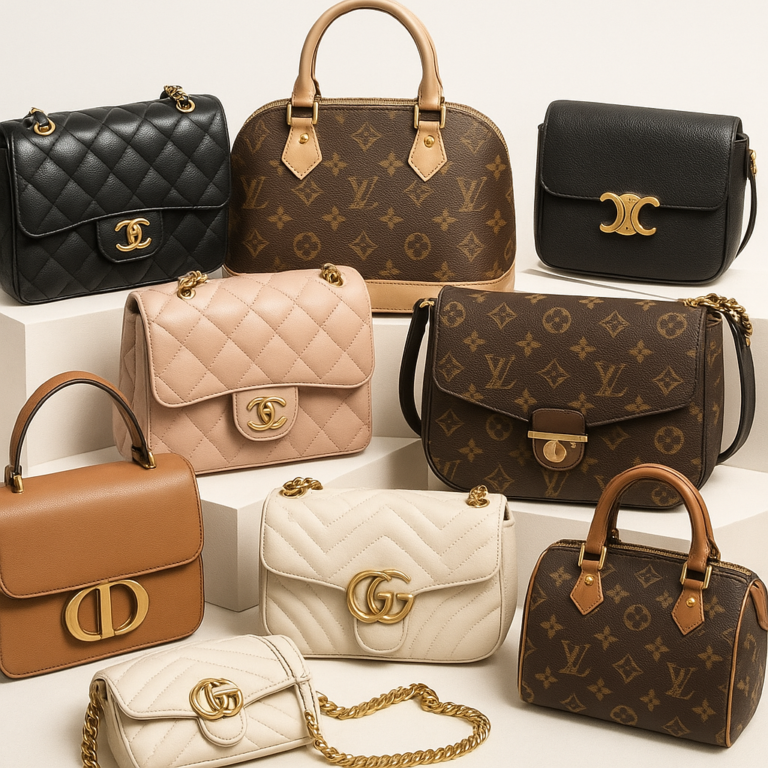
Accessories often make a designer brand easier to recognize. A bag’s shape, a shoe’s profile, hardware, or a distinctive textile can become a signature. At the same time, accessories are a common place for licensing and product extensions.
For a handbag or shoe, inspect:
- Materials and finishing
- Stress points, handles, straps, soles, and closures
- Weight and comfort
- Repair options and replacement parts
- Internal labeling and product documentation
- The authorized seller and return policy
We’ve seen shoppers fall for a beautiful bag in a display case, then discover it doesn’t fit a phone, a notebook, and the keys they actually carry. Test everyday function before the mirror wins the argument.
Designer Jewelry, Watches, Beauty, and Homeware
In categories beyond clothing, a designer name may reflect creative direction, a fashion-house collaboration, or a licensed product. That does not mean the same company made every item itself.
For jewelry and watches, check materials, movement, servicing, and warranty details. For beauty, check ingredients, safety information, and who manufactures or distributes the product. For homeware, review materials, dimensions, care, and practical durability.
When a brand name appears on a product outside its core expertise, ask:
- Who designed this specific item?
- Who manufactured it?
- Is the brand responsible for service and repairs?
- Are claims about materials and performance documented?
- Is the product sold through an authorized channel?
The right answers may still make the item a worthwhile purchase. They simply give you a clearer picture of what the label means in that category.
🏛️ How Designer Brands Build Value and Prestige
A designer brand’s value is a mix of product qualities and meanings around the product. The physical item might offer a distinctive shape, durable construction, or specialized materials. The name may also carry cultural recognition, fashion influence, or emotional appeal.
The important distinction: perceived value and measurable product value are not the same thing. A label may matter deeply to one person and not at all to another. That’s not a flaw; it’s how brands work. But it does mean shoppers should decide which kinds of value matter to them.
Brand Identity, Storytelling, and Cultural Influence
A strong brand story connects creative choices with the products. It may draw on a designer’s background, a place, a technique, an archive, or a cultural reference. The story is convincing when you can see how it informs the product—not just when it appears in a glossy campaign.
The WIPO trademark overview helps explain how a name or sign identifies a source. In fashion, the brand can also become a cultural shorthand for a particular look or community. That shorthand can influence desirability, but it doesn’t replace product inspection.
A useful exercise: describe a label’s design identity without saying its name. If you can identify its recurring visual choices, its creative point of view is doing real work.
Exclusivity, Scarcity, and Brand Demand
Scarcity can increase demand, but it has several possible causes:
- A product is genuinely made in limited quantities.
- Production requires specialist skill or materials.
- The brand restricts distribution.
- A release is seasonal or tied to a collaboration.
- Demand outpaces supply.
- The company uses limited availability as a marketing tactic.
A waitlist doesn’t tell you which explanation applies. Scarcity can reinforce prestige, but it is not proof of quality, originality, or future resale value.
Celebrity Endorsements and Fashion Shows
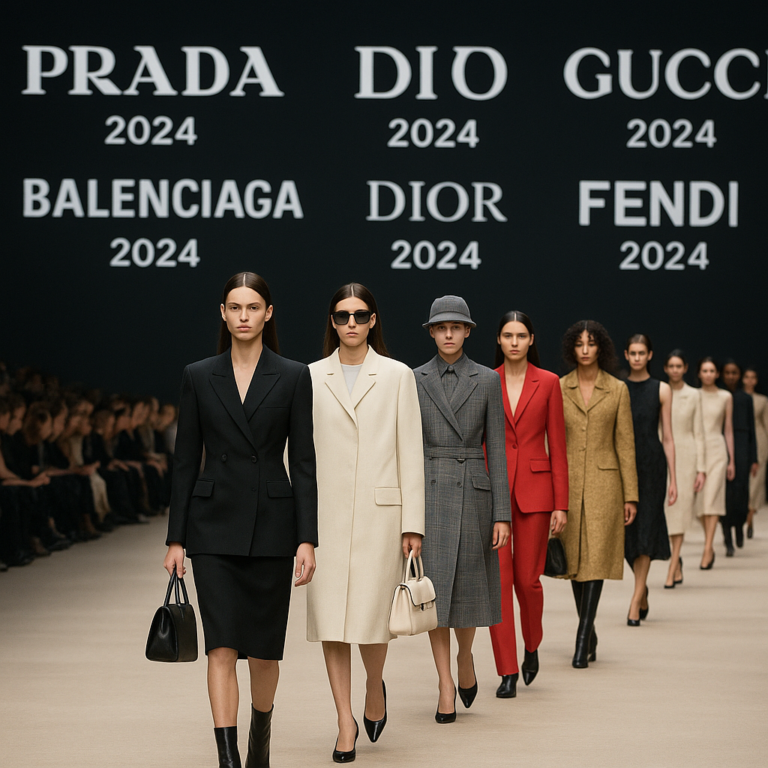
Celebrities and fashion shows can amplify a designer’s reach, introduce new ideas, and influence trends. They can also make a product seem more desirable without adding anything to its construction or usefulness.
The CFDA’s fashion industry resources offer context for the organizations and creative professionals involved in American fashion. For consumers, the simplest check is to separate the campaign from the item:
- Would you still want it without the celebrity image?
- Does the design suit your style and needs?
- Can the brand support its claims with product information?
- Are you buying a product—or the feeling that comes with the campaign?
That last question is not a reason to avoid designer goods. Enjoying the symbolism is a valid preference. Just know when symbolism is the main part of the purchase.
🧠 How to Tell If a Brand Is Truly a Designer Brand
There’s no single stamp to look for. Instead, evaluate creative identity, product execution, brand transparency, and the specific item. This quick process helps distinguish a genuine design-led label from a brand that leans mostly on the word “designer.”
A Practical Designer Brand Checklist
Use this six-step check before treating a label as designer-led:
- Find the creative leadership. Does the brand identify a founder, designer, or creative team?
- Look at multiple collections. Can you spot a consistent point of view?
- Identify original design choices. What distinguishes the products apart from logos?
- Inspect the specific product. Check materials, construction, care, sizing, and function.
- Verify the sales channel. Buy through the brand or a retailer the brand identifies as authorized.
- Review aftercare and claims. Check returns, warranty, repair, sourcing, and any sustainability statements.
| Check | Stronger evidence | Weaker evidence |
|---|---|---|
| Creative identity | Named creative leadership and consistent collections | Vague claims such as “exclusive style” |
| Originality | Distinctive cuts, materials, details, or visual language | Mostly generic products with a logo |
| Quality | Clear specifications, sound construction, reliable aftercare | Price or packaging used as the only quality argument |
| Authenticity | Brand verification and authorized retailers | Seller assurances with no documentation |
| Responsibility | Specific sourcing information and substantiated claims | Broad “ethical” or “eco” language without evidence |
For a broader look at branding, the featured video, “What Is Branding? 4 Minute Crash Course” by The Futur, explains why a brand is more than a logo or product: it is the impression people form. That’s helpful context, but when you’re shopping, connect perception back to observable details.
Questions to Ask Before You Buy
Ask yourself:
- What exactly makes this product distinct?
- Is the design something I genuinely like, or am I responding mainly to the name?
- Will the item suit my everyday life?
- Are the materials and care needs clear?
- Can I get it repaired or serviced?
- Is the seller authorized?
- Does the product justify its position compared with alternatives?
- Am I comfortable with the brand’s sourcing and labor disclosures?
No purchase passes every test for every person. A collector may prioritize design history; someone buying a work bag may care most about capacity, comfort, and repair. Your best criteria are the ones that match your actual use.
Red Flags: When “Designer” Is Mostly Marketing
Pause if you see:
- No clear information about who designs the products
- A brand identity that changes drastically without explanation
- Material or country-of-origin claims that are hard to verify
- A seller offering “designer” goods without credible authentication
- Pressure tactics built around countdowns or “rare” inventory
- No reasonable returns, service information, or customer support
- A premium price justified only by a logo or celebrity association
A red flag is a reason to investigate, not automatic proof of wrongdoing. Some small labels have limited public information because they are new or under-resourced. Ask clear questions and see whether the brand gives useful answers.
💳 Are Designer Brands Worth the Money?
Sometimes—when the product’s design, quality, service, and personal value justify the decision for you. A designer purchase is not automatically a financial investment. Nor is it automatically frivolous. The right answer depends on the item, your budget, and how much you’ll enjoy or use it.
Quality, Cost per Wear, and Longevity
One way to compare clothing and accessories is cost per wear:
Cost per wear = purchase cost ÷ number of times you use the item
No need to turn your wardrobe into an accounting department. The point is to compare a frequently used, repairable item with something worn once and forgotten.
Longevity depends on more than price. Consider:
- Product construction and materials
- How frequently you’ll use it
- Whether the style will still suit you
- Care and storage requirements
- Repair and replacement options
- How it performs in your climate and routine
A classic coat or durable everyday bag may earn regular use. A delicate runway piece may be a joy but require special occasions and careful maintenance. Both can be worth buying for different reasons; neither should be judged by the logo alone.
Resale Value and Investment Claims
Some designer products retain resale demand, but outcomes vary by brand, item, condition, size, color, market trends, authenticity, and timing. Treat resale value as uncertain—not guaranteed.
Before buying with resale in mind:
- Research completed resale transactions, not just seller asking prices.
- Check whether the exact model is in demand.
- Keep receipts, packaging, certificates, and service records.
- Protect the item from damage and unauthorized alterations.
- Account for platform fees, authentication, and possible repairs.
A bag is first a bag you may use and enjoy. If it later sells well, that’s a bonus, not a promise.
When a Designer Purchase Makes Sense
A designer item may be a sound choice when:
- You love the design and expect to use it.
- The fit, function, and materials suit your needs.
- The item has credible construction or aftercare.
- You’ve compared it with alternatives.
- The purchase fits your budget without putting essentials at risk.
- You value the brand identity enough to pay for it knowingly.
It may make less sense if you feel pressured, are counting on a guaranteed resale profit, or can’t verify the seller. For some categories, a reputable non-designer product may be more functional. We apply the same practical standards to bikes, boats, and designer handbags: the best brand is the one that delivers what you need—not the one that wins the loudest campaign.
🛍️ How to Shop Designer Brands More Wisely
Shopping well starts before checkout. The process below helps you compare products, avoid counterfeits, and judge whether a label’s promise holds up.
Buying New, Pre-Owned, or Vintage
Each option has trade-offs:
| Buying route | Benefits | Things to check |
|---|---|---|
| New from the brand | Direct product information and clearer aftercare | Current return terms, warranty, and product details |
| Authorized retailer | Selection and potential customer support | Retailer authorization and category-specific policies |
| Pre-owned | Access to past collections and potentially lower-impact reuse | Authentication, condition, seller history, and return terms |
| Vintage | Older designs and pieces no longer in current collections | Age-related wear, repairs, materials, and provenance |
For resale, request clear photos of labels, hardware, stitching, soles, serial details where applicable, and signs of wear. A serial number alone does not prove authenticity; counterfeits can copy identifiers too.
Authenticity Checks and Counterfeit Warning Signs
The most reliable starting point is the brand’s own guidance and authorized retailer list. The International Trademark Association’s anti-counterfeiting resources explain why counterfeit goods raise concerns beyond appearance, including potential consumer and rights-holder harms.
A step-by-step check:
- Identify the seller. Is it the brand, an authorized retailer, or a reputable resale business?
- Compare product details. Verify the model, materials, colors, hardware, and available documentation with official information.
- Review the listing carefully. Watch for inconsistent photos, vague descriptions, and claims that the item is “authentic” without a clear basis.
- Check the return policy. Can you return the item if it fails authentication?
- Use professional authentication when appropriate. Particularly for high-value secondhand goods.
- Keep records. Save receipts, seller messages, condition reports, and authentication documents.
Be cautious with links to marketplace listings that appear to offer the same product at implausibly low prices. We avoid treating a familiar logo as proof. Counterfeiters copy logos; buyers need verification.
Care, Repairs, and Protecting Your Purchase
Care is part of ownership, especially for delicate materials and products with specialist finishes.
- Read the care label or manufacturer’s instructions.
- Store bags with support and away from prolonged heat or direct sunlight.
- Rotate shoes and allow them to dry fully after wear.
- Keep receipts and warranty details.
- Ask the brand whether repairs affect coverage.
- Use a qualified specialist for material-specific cleaning or repair.
Don’t experiment with strong cleaners on an expensive material because a video made it look easy. A small test on an inconspicuous area is safer, but professional advice is better when the product is valuable or delicate.
🌱 Sustainability and Ethics in Designer Fashion
A designer label is not automatically sustainable or ethical. Higher prices may support better materials, skilled labor, or longer use—or they may reflect marketing, retail costs, and brand positioning. Ask for evidence rather than assuming a high price tells you how a product was made.
Look for specific disclosures about:
- Where products are made
- Which materials are used
- How suppliers are monitored
- Whether the brand identifies labor and environmental risks
- Repair, resale, and product-life-extension services
- The scope and evidence behind environmental claims
The OECD garment and footwear due diligence guidance provides a detailed framework for responsible supply chains. It focuses on due diligence rather than declaring a brand “good” or “bad” based one claim.
When assessing sustainability language, ask: Is the claim specific, measurable, and supported? “Made with recycled fiber” is more informative than “better for the planet,” but it still doesn’t tell you everything about manufacturing, durability, or end-of-life options.
🌍 Recommended Designer Brand Examples

Examples are useful for understanding how different creative identities show up in the market. They are illustrations, not universal endorsements: product quality and value vary by category, collection, and individual item.
Established Luxury Fashion Houses
These established names are often discussed as both designer and luxury brands, though each has a different history, aesthetic, and product mix:
- Chanel — known for fashion, handbags, beauty, and a distinctive house identity.
- Prada — a fashion house with a recognizable approach to clothing, accessories, and materials.
- Gucci — a global fashion label with strong visual recognition and a broad product range.
- Hermès — associated with leather goods, fashion, accessories, and a long-established craft identity.
- Louis Vuitton — a major fashion and accessories house with a highly recognizable brand mark and product history.
- Dior — a fashion house spanning clothing, accessories, beauty, and other categories.
A long history and global reputation make these brands influential, but neither replaces inspecting the specific item you plan to buy.
Independent and Contemporary Designers
Independent and contemporary labels can be designer brands when their products show a clear, sustained creative vision. They may be newer, smaller, more experimental, or less widely distributed than major luxury houses.
Look for:
- A defined design language across collections
- Clear information about the designer or team
- Product details that go beyond the label’s story
- Transparent information about materials and production
- A credible service and returns policy
The CFDA designer directory is one place to explore American designers and member brands. Membership is not a blanket guarantee of product quality or ethics, but it can help you discover designers and their work.
How to Research a Brand’s Credentials
Use this short research routine:
- Visit the brand’s official site and find its product, company, and care pages.
- Identify its design leadership and how the current collection connects to its established identity.
- Compare product claims with the actual labels and specifications.
- Check whether the seller appears on the brand’s authorized retailer list.
- Search for independent reporting or recognized industry guidance.
- Review returns, repairs, warranty, and resale options before purchasing.
One more question to keep in your pocket: When a brand says “designer,” what exactly is being designed, by whom, and to what standard? The answer—not the packaging—is what turns a label into a meaningful recommendation.