Support our educational content for free when you purchase through links on our site. Learn more
Which Designer Brands Are Trending Among Millennials? 25 to Know ✨


Which designer brands are trending among millennials? Gucci, Louis Vuitton, and Dior remain familiar favorites, while Miu Miu, Loewe, Bottega Veneta, Jacquemus, and The Row bring fresh energy through playful design, standout craftsmanship, or quiet luxury. The best pick isn’t simply the label everyone recognizes—it’s the one that fits your style, budget, and real-life routine.
There’s no single millennial look: one shopper may want an understated leather tote, another a vintage Gucci find, and someone else a bright Telfar bag. A Statista overview of luxury preferences reports Gucci, Louis Vuitton, and Dior among the leading brands for U.S. millennials and Gen Z in the survey it summarizes—but popularity is a snapshot, not a shopping instruction.
Key Takeaways
- Heritage and contemporary labels both resonate: Gucci, Louis Vuitton, and Dior sit alongside Miu Miu, Loewe, Bottega Veneta, Jacquemus, Coach, and more.
- Millennial style isn’t one aesthetic: Quiet luxury, logo-forward fashion, streetwear, vintage, and playful design all have a place.
- Choose the item, not just the name: Check fit, materials, construction, care needs, and how often you’ll wear it.
- 👉 Shop resale thoughtfully: Verify the seller, condition, authentication process, and return policy before buying.
- Treat trends as inspiration, not proof of quality: A viral item may be exciting, but the best designer purchase is one you’ll still enjoy after the hype fades.
Table of Contents
- ⚡️ Quick Tips and Facts: Designer Brands Millennials Are Watching
- 🧵 What Makes a Fashion Brand “Designer”?
- Designer labels, luxury houses, and contemporary brands
- How millennial tastes differ from other generations
- 🏛️ From Heritage Houses to Hype: How Millennial Luxury Taste Evolved
- The influence of streetwear, social media, and celebrity style
- Why nostalgia and archival fashion are back
- ✨ 25 Designer Brands Trending Among Millennials
- 1. Saint Laurent
- 2. Gucci
- 3. Prada
- 4. Miu Miu
- 5. Loewe
- 6. Bottega Veneta
- 7. Maison Margiela
- 8. Jacquemus
- 9. The Row
- 10. Balenciaga
- 11. Celine
- 12. Chloé
- 13. Dior
- 14. Louis Vuitton
- 15. Chanel
- 16. Valentino
- 17. Acne Studios
- 18. COS
- 19. Coach
- 20. Telfar
- 21. Ganni
- 22. Tory Burch
- 23. Ralph Lauren
- 24. Burberry
- 25. Loeffler Randall
- 👜 Millennial-Favorite Designer Brands by Category
- Designer handbags and everyday bags
- Shoes and sneakers
- Clothing, denim, and tailoring
- Jewelry, watches, and small accessories
- 🌍 Designer Brands by Style, Aesthetic, and Occasion
- Quiet luxury and minimalist fashion
- Logo-forward, streetwear, and statement style
- Vintage-inspired and archival designer fashion
- Workwear, travel, and everyday outfits
- 💸 Designer Brands by Budget, Resale Value, and Cost per Wear
- Entry-level designer labels and first luxury purchases
- Investment pieces and resale demand
- Luxury fashion versus contemporary designer brands
- 🛍️ How to Choose a Designer Brand That Fits Your Life
- Match a brand to your personal style and wardrobe
- Check fit, materials, craftsmanship, and repair options
- Decide whether to buy new, vintage, or pre-owned
- 🔎 How to Shop for Authentic Designer Items
- Spoting counterfeit bags, shoes, and clothing
- Trusted luxury retailers and resale marketplaces
- Returns, warranties, and proof of authenticity
- ♻️ Sustainability and Ethics in Designer Fashion
- Materials, manufacturing, and brand transparency
- Pre-loved luxury, repair, and circular fashion
- 📈 What’s Shaping Designer Brand Trends Among Millennials?
- Social media, influencers, and celebrity endorsements
- Personal identity, quality, and brand storytelling
- How trends vary by region and lifestyle
- 🧳 How to Care for Designer Clothing, Bags, and Accessories
- Storage and cleaning basics
- Repairs, alterations, and long-term care
- ⭐ Key Takeaways: Finding Your Millennial Designer Style
- Conclusion
- Recommended Links
- FAQ
- Which designer brands are most popular with millennials?
- What are the best affordable designer brands for millennials?
- Which designer bags hold their value best?
- Are designer brands worth the investment?
- Where can I buy authentic pre-owned designer fashion?
- Reference Links
⚡️ Quick Tips and Facts: Designer Brands Trending Among Millennials
If you’re looking for the designer brands millennials are wearing, the short answer is a blend of heritage luxury, expressive contemporary labels, and secondhand discoveries. Gucci, Louis Vuitton, and Dior remain familiar favorites, while Miu Miu, Loewe, Bottega Veneta, Jacquemus, and independent designers offer more individual points of view. “Trending,” though, isn’t the same as “best”—and a viral bag doesn’t automatically deserve a place in your wardrobe.
| Quick fact | What it means for shoppers |
|---|---|
| Gucci, Louis Vuitton, and Dior are prominent among younger luxury shoppers | Familiar heritage brands continue to carry cultural weight |
| Millennial luxury taste is not one single aesthetic | Quiet luxury, logos, streetwear, vintage, and playful fashion all coexist |
| Social media influences discovery and shopping | A viral item may be worth considering, but check quality and authenticity |
| Pre-owned designer fashion can offer distinctive finds | Buy from a reputable seller and review return and authentication policies |
| The best choice depends on your real life | Consider fit, use, care, and cost per wear—not just the label |
A Statista overview reports that Gucci, Louis Vuitton, and Dior were the leading luxury brands among U.S. millennials and Gen Z in the survey it summarizes. It also notes that nearly 40% of U.S. millennials surveyed liked Armani, compared with 22% of Gen Z. Those are survey findings, not a universal ranking: preferences vary by country, age, income, and the survey’s timing. See Statista’s overview of luxury goods and younger consumers.
Our quick advice: choose a piece you’d still enjoy after the trend cycle cools. As our broader designer brand guide puts it, “a famous logo isn’t a quality guarantee.” That’s the thread we’ll follow: which names are drawing attention, and which ones might actually earn their closet space?
🧵 What Makes a Fashion Brand “Designer”?
“Designer” can mean a historic couture house, a luxury accessories label, or a contemporary brand with a distinct design identity. The word is used loosely in retail, so it helps to separate brand positioning from actual product quality.
Designer Labels, Luxury Houses, and Contemporary Brands
| Category | What it generally describes | Examples |
|---|---|---|
| Heritage luxury house | A long-established fashion or leather-goods house with recognizable codes and broad product ranges | Chanel, Dior, Louis Vuitton, Gucci, Burberry |
| Luxury or premium designer label | A fashion-led brand known for a distinctive aesthetic, craftsmanship, or accessories | The Row, Loewe, Bottega Veneta, Saint Laurent |
| Contemporary designer brand | A design-focused label that often feels more experimental, youth-oriented, or trend-responsive | Jacquemus, Ganni, Acne Studios, Sandy Liang |
| Independent or emerging label | A smaller or founder-led business with a more specific creative point of view | Collina Strada, Eckhaus Lata, Christopher John Rogers |
These categories overlap. A luxury house can make highly trend-driven products; a smaller label can produce beautifully considered work. The label alone doesn’t tell you how a particular piece fits, wears, or lasts.
For a brand’s own account of its history and collections, look beyond retailer descriptions. For example, see the official brand pages for Loewe, Prada, and Coach.
How Millennial Tastes Differ From Other Generations
Millennials aren’t a style uniform. Some gravitate toward an understated leather tote; others want visible logos, unusual proportions, vintage pieces, or fashion that feels funny and personal. Age, location, work, budget, and personal taste all matter.
The Statista summary suggests established luxury houses remain relevant to younger consumers, while the Cosmopolitan article “Millennial Designers Are Running Fashion Now, and Gen Z Is Better for It” argues that millennial-led designers bring playfulness, cultural fluency, and personal style to fashion. Those perspectives aren’t contradictory: one describes consumer affinity for major brands; the other spotlights the creative influence of a new generation of designers.
🏛️ From Heritage Houses to Hype: How Millennial Luxury Taste Evolved
Millennial luxury taste has been shaped by changing creative direction, streetwear’s rise, online culture, resale, and a renewed interest in pieces with a story. The result is less “everyone wants the same bag” and more a conversation between recognizable classics and highly personal finds.
The Influence of Streetwear, Social Media, and Celebrity Style
Social platforms make it easy to discover runway looks, styling ideas, resale finds, and new labels. Statista reports that a meaningful share of consumers aged 18–39 in its cited research had bought through social media, and that influencer-following was common in that age group. The exact figures depend on the survey, region, and year, so treat them as a snapshot rather than a permanent shopping rule. See Statista’s luxury-consumer overview.
The upside is discovery: an independent designer can find an audience far beyond the runway. The downside is that a highly visible item can feel more universally loved than it really is. Online buzz measures attention, not durability or craftsmanship.
A useful filter before buying:
- Save the item and revisit it later. Does it still appeal when it isn’t appearing in every feed?
- Check the product itself. Look at materials, seams, hardware, lining, and care instructions.
- See it styled in ordinary life. A runway image may not tell you how it works with your own wardrobe.
- Verify the seller. For resale, read the authentication and return terms before checkout.
Why Nostalgia and Archival Fashion Are Back
Nostalgia has a powerful pull: familiar silhouettes and past-era references can make fashion feel personal, not merely new. NBC News explores the broader commercial appeal of revivals in its video, “Brands revive trends to tap into millennial spending power”, which looks at nostalgia marketing beyond fashion.
In designer clothing, nostalgia shows up through archival designs, vintage bags, revived logos, and labels that reference earlier decades. Cosmopolitan highlights Sandy Liang’s childhood-inspired whimsy and Wales Boner’s ’70s-influenced sporty classics as examples of designers making references feel fresh rather than costume-like. Read the feature.
The trick is to borrow the mood, not necessarily the whole decade. One archival-inspired bag or playful knit can add personality; a head-toe trend reenactment may be harder to wear after the nostalgia wears off.
✨ 25 Designer Brands Trending Among Millennials
This list brings together established luxury names, contemporary labels, and brands with strong style identities. It is not a scientifically ranked popularity chart: consumer preferences vary, and trends change. Use it as a shortlist for exploring aesthetics and product categories, then assess the specific item you’re considering.
| Brand | Recognizable style | Often explored for | A shopper’s watch-out |
|---|---|---|---|
| Saint Laurent | Slek, sharp, rock-leaning | Bags, tailoring, shoes | A strong look may be less versatile than a neutral staple |
| Gucci | Eclectic, expressive, logo-aware | Bags, shoes, ready-to-wear | Collections can vary considerably in mood |
| Prada | Modern, intellectual, sometimes sporty | Bags, shoes, nylon accessories | Consider the item’s function, not just the house name |
| Miu Miu | Playful, youthful, fashion-forward | Shoes, bags, clothing | Highly distinctive shapes can feel trend-specific |
| Loewe | Craft-led, sculptural, artistic | Leather goods, clothing | Check dimensions and practicality carefully |
| Bottega Veneta | Tactile leatherwork, discreet branding | Bags, shoes, accessories | Distinctive woven leather needs thoughtful care |
| Maison Margiela | Conceptual, unconventional | Shoes, clothing, accessories | Design details may be polarizing |
| Jacquemus | Playful proportions, Mediterranean references | Bags, clothing | Some compact bags prioritize looks over capacity |
| The Row | Understated, minimalist | Clothing, bags, shoes | Minimal style does not guarantee easy care |
| Balenciaga | Bold, street-influenced, experimental | Sneakers, bags, clothing | Trends and brand reputation can shift quickly |
| Celine | Polished, pared-back, Parisian | Bags, eyewear, clothing | Check which era or creative direction appeals to you |
| Chloé | Romantic, relaxed, bohemian | Bags, clothing, shoes | Softer silhouettes may need more careful storage |
| Dior | Heritage codes with changing fashion statements | Bags, accessories, ready-to-wear | Research the exact model and construction |
| Louis Vuitton | Monogram heritage and travel goods | Bags, luggage, accessories | Authenticity checks are essential in resale |
| Chanel | Classic, recognizable, polished | Bags, shoes, jewelry | Confirm materials, provenance, and condition on resale |
| Valentino | Refined with bold statement details | Shoes, bags, clothing | Consider how often statement pieces suit your outfits |
| Acne Studios | Scandinavian, creative, relaxed | Denim, outerwear, accessories | Sizing and proportions can differ by item |
| COS | Modern, clean-lined contemporary fashion | Clothing, bags | Check fabric composition and construction |
| Coach | Heritage leather goods with modern styling | Bags, wallets, accessories | Compare the specific line and materials |
| Telfar | Community-minded, recognizable accessories | Shopping bags, accessories | Demand and availability can vary |
| Ganni | Colorful, contemporary, playful | Clothing, shoes, bags | Check fabric and care details for frequent-wear pieces |
| Tory Burch | Polished, classic American style | Bags, shoes, accessories | Look for pieces that fit your current wardrobe |
| Ralph Lauren | Americana, prep, timeless casualwear | Clothing, bags, accessories | The label spans multiple product lines |
| Burberry | British heritage and signature checks | Outerwear, scarves, bags | Verify fabric and construction, especially secondhand |
| Loeffler Randall | Occasion-ready, feminine accessories | Shoes, bags | Consider comfort and wear time for special-event shoes |
1. Saint Laurent
Saint Laurent is known for a slek, confident silhouette: sharp tailoring, streamlined accessories, and a rock-leaning edge. It can suit shoppers who want a designer look that feels polished without relying on an oversized logo.
Why it appeals: The visual identity is easy to recognize, yet many pieces are relatively restrained. That makes the label appealing for eveningwear and smart-casual wardrobes.
Consider: A narrow, dramatic shoe or structured bag can be less comfortable or practical than its photos suggest. Check fit, capacity, and material-care instructions.
Explore Saint Laurent’s official collections.
2. Gucci
Gucci combines Italian heritage with a famously eclectic approach to color, print, hardware, and logos. That visual confidence makes it a recurring name in younger luxury-consumer research; Statista’s overview includes Gucci among the three leading brands favored by U.S. millennials and Gen Z in the survey it summarizes.
Why it appeals: Gucci offers both recognizable statement pieces and more understated options, so you can choose the volume of branding.
Consider: The brand’s look can change markedly across collections. Pick a specific product because you like its design and construction, not simply because it’s instantly identifiable.
3. Prada
Prada is a strong fit for shoppers who like modern design with a clever, sometimes sporty edge. Its fashion and accessories often balance clean shapes with unexpected materials or details.
Why it appeals: The brand can feel intellectual and practical at once, particularly in accessories designed for daily use.
Consider: Don’t assume every nylon or leather item performs the same way. Check the product’s care guidance, dimensions, and hardware before buying.
Explore Prada’s official collections.
4. Miu Miu
Miu Miu is Prada’s more playful sister label, known for youthful proportions, styling twists, and fashion-forward accessories. Its appeal is less about quiet neutrality and more about a little mischief in the outfit.
Why it appeals: It can make familiar pieces feel unexpected, from shoes to small bags and ready-to-wear.
Consider: Some designs are deliberately of-the-moment. If you want a long-term wardrobe staple, ask whether you’d wear the item in several different ways.
5. Loewe
Loewe’s Spanish heritage and leather-goods expertise meet an artistic, contemporary sensibility. The brand is often associated with tactile craftsmanship and sculptural accessories.
Why it appeals: Loewe can offer a more design-led alternative to traditional logo-first luxury. Its pieces often have distinctive shapes and material details.
Consider: A sculptural bag may look excellent and still be awkward for your daily essentials. Check the dimensions, opening, strap length, and interior layout.
Explore Loewe’s official collections.
6. Bottega Veneta
Bottega Veneta is closely associated with woven leather and discret branding. The brand’s appeal often lies in texture, shape, and finishing rather than a large logo.
Why it appeals: It suits shoppers who want a recognizable luxury design language without conspicuous branding.
Consider: Textured leather can beautiful but requires care. Read the brand’s material guidance and think about how you’ll store the item.
7. Maison Margiela
Maison Margiela is for shoppers who enjoy fashion that asks a question—or at least makes people look twice. Its design language is conceptual, unconventional, and sometimes intentionally deconstructed.
Why it appeals: The pieces can feel individual and artful, especially if you’d rather avoid the obvious luxury uniform.
Consider: Experimental design is not everyone’s everyday favorite. Try the item on and consider how it works with the clothes you already own.
8. Jacquemus
Jacquemus brings playful proportions and a sunny, Mediterranean-inspired sensibility to contemporary fashion. It has made compact, sculptural accessories part of its visual signature.
Why it appeals: The brand is expressive and photogenic, with pieces that can make a simple outfit feel styled.
Consider: Some mini bags are better at carrying a phone and a card case than the full contents of your everyday bag. Measure your essentials first.
9. The Row
The Row is closely associated with quiet luxury: refined silhouettes, understated branding, and an emphasis on materials and shape.
Why it appeals: It suits shoppers who want subtle, polished pieces rather than overt logos or trend-heavy details.
Consider: Minimalism can make quality and fit even more visible. Inspect fabric, seams, lining, and alterations carefully.
10. Balenciaga
Balenciaga is known for a bold, often street-influenced approach to fashion. Depending on the collection, the label can lean into oversized proportions, distinctive sneakers, and striking accessories.
Why it appeals: The designs can feel culturally current and visually strong.
Consider: The brand’s public image and creative direction have changed over time. Review the specific item, not just its trend status, and decide whether its aesthetic feels right to you.
11. Celine
Celine offers a polished, modern wardrobe that ranges from sleek accessories to refined clothing. Its appeal is often found in clean lines and a strong, recognizable sense of Parisian style.
Why it appeals: It can bridge everyday dressing and more elevated occasions.
Consider: Brand aesthetics shift across creative eras. When buying vintage or pre-owned, identify the product’s period and check its condition.
12. Chloé
Chloé is associated with relaxed femininity, soft silhouettes, and romantic or bohemian details.
Why it appeals: Its clothes and accessories can feel expressive without being severe, making the brand a good fit for a softer wardrobe.
Consider: Flowing fabrics and delicate finishes may need more careful laundering and storage. Check care labels before committing.
13. Dior
Dior blends a major fashion-house heritage with collections that move between classic and contemporary. It was among the leading luxury brands favored by U.S. millennials and Gen Z in the survey summarized by Statista.
Why it appeals: The house offers a broad range of fashion, accessories, and beauty products, with recognizable brand codes.
Consider: Popularity does not make every item right for every shopper. Check construction, dimensions, materials, and resale provenance for the exact piece.
14. Louis Vuitton
Louis Vuitton’s travel heritage and monogram have made it one of the most recognizable luxury names. It remains a notable favorite among younger consumers in the Statista survey summary.
Why it appeals: The brand has a strong identity across bags, luggage, and accessories, and many shoppers value its heritage and recognizable design.
Consider: Recognition also makes the label a frequent target for counterfeiting. Buy through the brand or a trusted seller, and scrutinize documentation and return policies in resale.
15. Chanel
Chanel is a heritage house with enduring associations in fashion, accessories, and beauty. It can appeal to shoppers looking for classic design codes as well as more experimental runway styling.
Why it appeals: The brand’s archive and recognizable aesthetic make vintage and pre-owned Chanel especially interesting to collectors and fashion fans.
Consider: Secondhand condition and authenticity deserve careful attention. Request detailed photos, review the seller’s verification process, and keep records.
16. Valentino
Valentino combines elegant tailoring with bold statement details and a strong occasionwear identity.
Why it appeals: It’s a good place to look if you want a polished piece with more visual impact than a plain classic.
Consider: Think about repeat wear. A distinctive event piece earns its keep when you can style it for more than one special occasion.
17. Acne Studios
Acne Studios brings a Scandinavian design sensibility to clothing, denim, footwear, and accessories, with a creative edge that can feel a little offbeat.
Why it appeals: It offers a route into designer fashion that isn’t built solely around traditional luxury symbols.
Consider: Check garment measurements, especially for denim and oversized items. Sizing can vary by cut and product.
18. COS
COS is a contemporary fashion label known for clean lines, modern silhouettes, and wardrobe staples. It is not a traditional luxury house, but it can appeal to shoppers who want design-led clothing at a more accessible point in the fashion market.
Why it appeals: Minimal shapes and versatile separates make it useful for building a modern everyday wardrobe.
Consider: Assess the fabric and construction of each garment, rather than assuming every item has the same level of longevity.
19. Coach
Coach combines American leather-goods heritage with contemporary bags and accessories. It offers a recognizable designer name across a variety of styles, from classic to playful.
Why it appeals: The range can make it easier to find a bag that suits a daily routine rather than a special-occasion-only wardrobe.
Consider: Compare the specific product’s materials, lining, hardware, and care guidance. A brand’s reputation applies broadly; construction still varies by item.
20. Telfar
Telfar is known for its distinctive shopping bags and a fashion identity shaped by community and inclusivity. Its recognizable accessories can make a strong statement without following the usual heritage-house playbook.
Why it appeals: The label has a clear point of view and a sense of cultural connection.
Consider: Demand and availability can fluctuate. Avoid rushed purchases from unfamiliar sellers, and verify product details carefully.
21. Ganni
Ganni is a contemporary Danish label with a playful, colorful approach to fashion. It’s often a good match for shoppers who want everyday clothes with a little more personality.
Why it appeals: The brand can bring energy to wardrobe staples through print, shape, or styling.
Consider: Review the fabric composition and care label, particularly if you expect to wear an item frequently.
22. Tory Burch
Tory Burch brings a polished American sensibility to bags, shoes, clothing, and accessories.
Why it appeals: The range includes classic shapes and more expressive pieces, making it useful for work, travel, and everyday dressing.
Consider: Choose a piece that complements your existing wardrobe rather than buying solely for a recognizable logo.
23. Ralph Lauren
Ralph Lauren’s broad design universe ranges from prep-inspired basics to tailored and heritage-influenced clothing.
Why it appeals: Its classic casualwear can be easy to style and doesn’t rely on a single trend cycle.
Consider: The brand spans different lines and product types. Compare fabric, fit, and finish on the item itself.
24. Burberry
Burberry draws on British heritage, outerwear, and recognizable patterns. Its appeal often centers on pieces that combine tradition with a modern wardrobe.
Why it appeals: Coats, scarves, and accessories can add a clear point of view to practical dressing.
Consider: Outerwear is a long-term purchase, so check lining, seams, hardware, fabric, and fit. For resale, verify provenance.
25. Loeffler Randall
Loeffler Randall is known for feminine, occasion-friendly shoes and accessories that can feel polished without being overly formal.
Why it appeals: It’s worth exploring for event dressing, wedding guest looks, and accessories with a softer, more personal feel.
Consider: For shoes, comfort matters as much as appearance. Check the heel height, width, materials, and return terms before purchasing.
👜 Millennial-Favorite Designer Brands by Category
A brand shortlist becomes much more useful when you start with what you actually want to wear. Here’s how the names above map to common shopping categories.
Designer Handbags and Everyday Bags
| What you need | Brands to explore | What to inspect |
|---|---|---|
| Work or daily carry | Coach, Prada, Celine, The Row | Interior organization, strap comfort, weight, closure |
| Distinctive statement bag | Jacquemus, Loewe, Miu Miu, Telfar | Capacity, opening, how the shape sits when worn |
| Subtle leather design | Bottega Veneta, Loewe, The Row | Leather finish, edge paint, lining, care |
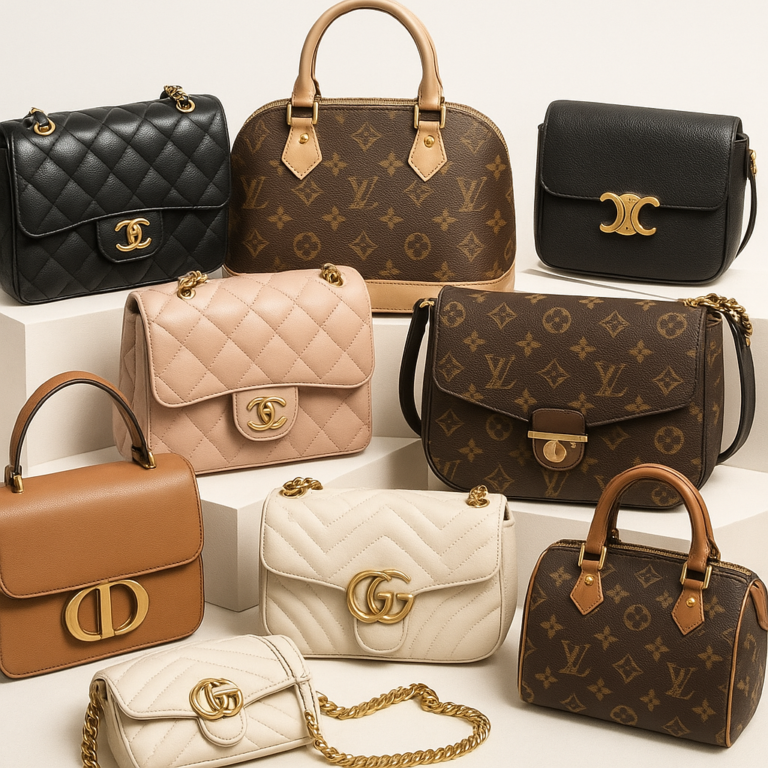
| Heritage or recognizable codes | Gucci, Louis Vuitton, Dior, Chanel | Authentication, condition, hardware, seller documentation |
| Occasion bag | Saint Laurent, Valentino, Loeffler Randall | Fit for essentials, chain comfort, closure security |
Practical test: put your phone, wallet, keys, and anything else you carry into the bag—or compare their dimensions with the product’s interior. A gorgeous bag that can’t hold your essentials is a very chic paperweight.
For handbags bought secondhand, the U.S. Federal Trade Commission’s advice on avoiding counterfeit goods is a useful general starting point. It isn’t a brand-specific authentication service, but it reinforces a sensible rule: be cautious with sellers, claims, and deals that seem suspicious.
Shoes and Sneakers
For designer shoes, fit and wearability matter more than the photo. Look at the sole, heel stability, material, fastening, and whether the shape works for your foot.
- Fashion-forward: Miu Miu, Maison Margiela, Balenciaga
- Polished and sleek: Saint Laurent, Celine, Valentino
- Everyday designer: Prada, Gucci, Acne Studios
- Playful or event-focused: Loeffler Randall, Jacquemus
If you’re shopping for sneakers, try them on with the socks you’d usually wear. If you’re shopping online, check the brand’s size guide and return conditions. A designer label cannot negotiate with a blister.
Clothing, Denim, and Tailoring
| Wardrobe goal | Brands to consider | Why they may suit it |
|---|---|---|
| Refined basics | The Row, COS, Celine | Clean silhouettes and adaptable styling |
| Expressive statement looks | Gucci, Miu Miu, Jacquemus | Strong color, shape, or styling identity |
| Tailoring | Saint Laurent, Celine, Ralph Lauren | Sharper, polished wardrobe options |
| Denim and casualwear | Acne Studios, Ganni, Ralph Lauren | Relaxed styles with a designer point of view |
| Romantic or playful dressing | Chloé, Sandy Liang, Loeffler Randall | Softer, whimsical, or feminine design details |
Start with measurements, not assumptions. Check shoulder width, garment length, sleeve length, and fabric composition. For a higher-cost garment, consider whether a tailor can adjust it without changing the design.
Jewelry, Watches, and Small Accessories
Small accessories can be a lower-commitment way to explore a designer’s aesthetic. Wallets, scarves, sunglasses, belts, and jewelry may also be easier to integrate into an existing wardrobe than a dramatic coat or statement bag.
When evaluating accessories, look for:
- Materials: Confirm the listed metal, leather, textile, or stone.
- Construction: Examine clasps, seams, edges, and attachment points.
- Comfort: Check weight, fit, and adjustability.
- Care: Ask whether the item needs special cleaning or storage.
- Authenticity: Buy from an official or reputable seller, especially for high-demand labels.
🌍 Designer Brands by Style, Aesthetic, and Occasion
Style labels can help you narrow the field, but they aren’t rules. A person who loves quiet luxury can still wear a logo bag; a streetwear fan can still invest in a classic coat.
Quiet Luxury and Minimalist Fashion
For understated design, look at The Row, Loro Piana, Brunello Cucinelli, Bottega Veneta, Celine, and COS. These brands vary considerably in price positioning and product type, but they share some association with refined silhouettes or less obvious branding. The popularbrands.org designer brand guide discusses quiet-luxury names including The Row, Loro Piana, and Brunello Cucinelli.
Minimalist dressing is not automatically timeless. A clean shape can date; a neutral fabric can wear poorly; an expensive garment can still fit badly. Check the actual piece and imagine at least three outfits you’d wear it with.
Logo-Forward, Streetwear, and Statement Style
For more visible design, explore Gucci, Louis Vuitton, Balenciaga, Telfar, and selected Prada or Miu Miu collections. The logos and distinctive shapes can express identity or signal affiliation with a particular fashion culture.
The trade-off is simple: highly visible pieces attract attention, but they can also feel more tied to a particular trend. If you love that, enjoy it. If you’re unsure, try a smaller accessory before committing to a statement coat or bag.
Vintage-Inspired and Archival Designer Fashion
For archive-inspired dressing, explore vintage Chanel, older Celine, classic Burberry, vintage Gucci, and pre-owned pieces from independent designers. The Real and other resale platforms can be useful discovery tools, but authentication, condition, and return terms vary by seller and item.
Cosmopolitan points to The Real as a destination for one-of-a-kind pre-loved finds, reflecting an appetite for wardrobes that feel individual. Read its millennial-designer feature alongside each resale platform’s policies before you buy.
Vintage-shopping checklist:
- Ask for clear photos of labels, seams, hardware, and wear.
- Confirm measurements rather than relying on the original size tag.
- Check for odor, stains, repairs, discoloration, and missing parts.
- Review authentication and return policies.
- Keep the listing, seller communication, and payment records.
Workwear, Travel, and Everyday Outfits
For frequent wear, focus on comfortable fit, suitable care requirements, and adaptable styling.
- Workwear: Celine, Saint Laurent, Ralph Lauren, COS
- Travel accessories: Louis Vuitton, Coach, Prada
- Everyday bags: Coach, Bottega Veneta, Loewe, Prada
- Weekend dressing: Ganni, Acne Studios, Ralph Lauren
- Occasionwear: Valentino, Chloé, Saint Laurent, Loeffler Randall
If your wardrobe also includes practical kit for commuting, travel, or outdoor hobbies, our guides to backpacks, athletic clothing, bikes, audio equipment, and boats cover adjacent gear categories. Because yes, sometimes the most valuable “accessory” is a backpack that actually fits your laptop.
💸 Designer Brands by Budget, Resale Value, and Cost per Wear
We won’t pretend there’s one correct spending limit. A designer purchase is personal, and affordability depends on your finances—not a brand’s marketing. The more useful question is whether a specific item delivers enough wear, enjoyment, and quality for your circumstances.
Entry-Level Designer Labels and First Luxury Purchases
If this is your first designer purchase, consider starting with a useful, well-made accessory or garment rather than the most recognizable item in the store. Brands such as Coach, COS, Ganni, Ralph Lauren, and selected products from larger luxury houses cover different design and retail positions; compare the exact product, because brands offer varied lines and materials.
A sensible first-purchase sequence:
- Set a personal spending ceiling. Don’t use an aspirational brand image as a budget.
- Choose a category you use often. A daily wallet may see more action than a special-event clutch.
- Check the product’s construction and care needs. Think about how it will look after regular use.
- Try it or review the return policy. Online photos can distort scale and color.
- Compare new and pre-owned options. A carefully authenticated older style may suit you better.
- Wait before purchasing. A brief pause helps separate genuine preference from feed-fueled urgency.
Investment Pieces and Resale Demand
“Investment piece” is often used to mean an item the buyer hopes will last, remain wearable, or retain resale appeal. It does not guarantee financial return. Resale outcomes depend on condition, demand, rarity, authenticity, season, platform fees, and many other factors.
Before treating an item as a financial investment, ask:
- Would I still want it if resale value dropped?
- Is the style compatible with what I actually wear?
- Can I maintain and store it properly?
- Is there reliable evidence for the model’s resale demand?
- Have I accounted for selling costs and the chance of damage?
Heritage and high-demand labels may have active resale markets, but a brand name alone does not guarantee a high resale price. Research completed sales where available; asking prices are not proof of what buyers pay.
Luxury Fashion Versus Contemporary Designer Brands
| Factor | Luxury fashion house | Contemporary designer label |
|---|---|---|
| Brand history | Often longer and more widely documented | Can be newer or more founder-led |
| Brand recognition | Usually high | May be niche or audience-specific |
| Design approach | May combine heritage codes and seasonal direction | Often focused on a specific current aesthetic |
| Shopping consideration | Verify product line, materials, and authenticity | Verify construction, care, and brand service |
| Best reason to choose | You value the house’s design, history, or product | You like the specific design and want a distinct point of view |
Don’t assume luxury always means better quality, or contemporary always means a better deal. Compare the item’s materials, construction, fit, service, and care requirements.
🛍️ How to Choose a Designer Brand That Fits Your Life
The best brand is the one whose pieces make sense for your wardrobe and routines—not necessarily the one currently dominating the algorithm.
Match a Brand to Your Personal Style and Wardrobe
Use this step-by-step approach:
- Describe your everyday style in three words. For example: relaxed, polished, colorful.
- Look at your most-worn pieces. Are they tailored, sporty, romantic, or minimal?
- Choose the category you need. Don’t shop for a fantasy lifestyle you won’t live.
- Compare brand identities. A statement label may suit you better than a quiet one—or vice versa.
- Test outfit combinations. Aim for at least three ways to wear the item.
- Consider your care routine. Delicate materials may not suit a low-maintenance wardrobe.
A quick anecdote from our review team: we’ve seen beautifully designed bags lose their charm for the buyer simply because the strap sat awkwardly over a coat or the opening made everyday items hard to reach. The lesson? Try the function, not only the look.
Check Fit, Materials, Craftsmanship, and Repair Options
When assessing a product, look for:
- Fit and proportion: Does it move with you? Is the sleeve, rise, strap, or heel comfortable?
- Materials: Read the fiber or leather description. Natural materials still need proper care.
- Construction: Inspect seams, lining, edges, buttons, zippers, clasps, and hardware.
- Function: Check closures, pocket placement, capacity, weight, and adjustability.
- Maintenance: Confirm cleaning instructions and whether the brand offers repair support.
- Return terms: Understand the deadline, condition requirements, and who pays return shipping.
For a useful quality comparison, assess similar items side by side rather than comparing a luxury coat with a basic T-shirt. Category, materials, and intended use all matter.
Decide Whether to Buy New, Vintage, or Pre-Owned
| Shopping route | Potential advantages | Possible drawbacks |
|---|---|---|
| New from the brand | Current selection, direct product information, clear point of contact | Limited availability for some items; may not suit every budget |
| Vintage | Older designs, distinctive finds, personal history | Condition and sizing can be difficult to assess |
| Authenticated resale | Access to discontinued pieces and pre-loved options | Authentication and return terms vary; condition needs close review |
Choose new if direct brand service and current stock matter most. Choose vintage or resale if you’re seeking an older model or a less common look—but make verification your first step, not an afterthought.
🔎 How to Shop for Authentic Designer Items
Counterfeit goods can imitate logos and surface details, so authentication is not always obvious from a single photograph. The safest starting point is the brand’s own store or an authorized retailer.
Spoting Counterfeit Bags, Shoes, and Clothing
Watch for a combination of warning signs:
- A seller with no clear business identity or return policy
- Product descriptions that are vague or inconsistent
- Photos that hide labels, seams, hardware, or wear
- Claims of “authentic” without a clear verification process
- Payment methods that offer little buyer protection
- Pressure to buy immediately
- A product listing that doesn’t match the brand’s known design details
No single clue proves an item is fake. Counterfeiters can copy packaging, serial markings, and logos. For valuable items, use the brand’s own authentication or repair channels when available, or a reputable specialist with transparent procedures.
See the Federal Trade Commission’s consumer guidance on counterfeit goods.
Trusted Luxury Retailers and Resale Marketplaces
For new items, shop directly with brands such as Gucci, Prada, Dior, and Coach, or use well-established retailers that clearly explain their sourcing and return rules.
For resale, assess the platform—not just the listing. Review:
- What authentication steps are performed?
- Who is responsible if a buyer disputes authenticity?
- Can you return the item?
- Does the listing show the exact item being sold?
- Are condition grades explained clearly?
- What buyer protections apply to the payment?
Marketplace policies can change, so read the current terms before checkout.
Returns, Warranties, and Proof of Authenticity
Before buying, save or download:
- The product listing and photos
- The seller’s authenticity claims
- The return and warranty terms
- Your order confirmation and payment record
- Any certificate or authentication report provided
Check whether a warranty covers manufacturing defects, repairs, or only certain parts of the product. A warranty is not the same as authentication, and a receipt alone may not establish that an item is genuine.
♻️ Sustainability and Ethics in Designer Fashion
Designer fashion can be associated with long-term wear and repair, but the label itself does not prove environmental or labor performance. Look for specific, verifiable information about materials, manufacturing, sourcing, and product care.
Materials, Manufacturing, and Brand Transparency
When checking sustainability claims, ask:
- Does the brand explain where products are made?
- Are material claims specific and traceable?
- Does it publish supplier or labor information?
- Are environmental targets measurable and time-bound?
- Does it explain how progress is assessed?
A broad claim like “conscious” is less informative than a transparent explanation of the product’s materials and production. The United Nations Environment Programme’s work on sustainable fashion provides broader context on the industry’s environmental pressures.
Cosmopolitan highlights Collina Strada designer Hillary Taymour’s interest in sustainability and upcycling, and describes a visual mix of grunge and fairycore. That’s a useful example of sustainability being part of a designer’s creative identity—but one brand’s approach should not be treated as proof about the entire fashion industry. Read the feature.
Pre-Loved Luxury, Repair, and Circular Fashion
Buying pre-owned can extend a garment’s use, and repairing a treasured item may keep it wearable longer. The environmental benefit depends on what the purchase replaces, how the item is used, and how it is cared for.
Try this simple care-and-circularity routine:
- Buy only pieces you expect to wear.
- Follow the care label and brand instructions.
- Repair small issues early, before they worsen.
- Resell, donate, or pass on items you no longer use.
- For secondhand purchases, assess the condition honestly before buying.
A pre-loved item is not automatically sustainable if it sits unworn in a closet. The most useful garment is usually the one you’ll wear and care for.
📈 What’s Shaping Designer Brand Trends Among Millennials?
Millennial fashion interest is shaped by familiar labels, creative leadership, social discovery, individual taste, and resale culture. No single force explains every purchase—and a chart of brand preferences won’t tell you why someone loves a particular jacket.
Social Media, Influencers, and Celebrity Endorsements
Social media helps shoppers discover both major houses and smaller designers. Statista’s overview reports that younger consumers were more open to social-media discovery and purchasing than older groups in the research it summarizes. That doesn’t mean every millennial shops the same way, or that a social post proves a product is worth buying.
Use feeds as inspiration, not verification:
- Search for independent reviews and multiple product photos.
- Look for long-term wear reports, not only launch-day excitement.
- Check the brand’s own product specifications.
- Confirm whether a post is sponsored.
- Compare claims with current retailer and brand information.
Personal Identity, Quality, and Brand Storytelling
A designer brand can communicate heritage, subculture, taste, or a sense of humor. But identity is personal: the same logo that feels meaningful to one shopper may feel too loud to another.
The popularbrands.org guide makes a useful distinction: visible logos can signal identity, while discreet branding appeals to shoppers who prefer subtlety. Neither is inherently superior. It also warns that “scarcity created by hype doesn’t prove superior craftsmanship.” That’s a good check when an item sells out quickly or appears everywhere at once.
How Trends Vary by Region and Lifestyle
Luxury preferences vary by country and shopping context. Statista’s overview notes that brands such as Chanel, Hermès, and Dior remain popular among younger shoppers in China and other Asian markets, while its U.S. survey summary emphasizes Gucci, Louis Vuitton, and Dior.
These findings describe particular survey samples and should not be treated as a global leaderboard. Local availability, cultural associations, purchasing power, and fashion media all affect what “popular” looks like. A city commuter, a suburban parent, a creative professional, and a vintage collector may all have very different designer shortlists.
🧳 How to Care for Designer Clothing, Bags, and Accessories
Good care can help preserve an item’s appearance, but follow the manufacturer’s instructions first. Different leathers, coatings, fabrics, and finishes need different treatment.
Storage and Cleaning Basics
- Store bags in a clean, dry place away from direct sunlight.
- Use the dust bag provided by the brand, if available.
- Don’t overfill a bag for storage; keep its shape supported.
- Avoid home cleaning products unless the care instructions permit them.
- Hang or fold clothing according to its fabric and construction.
- Keep shoes dry and let them air out between wears.
- For delicate or valuable items, consult a qualified specialist before cleaning.
For leather, suede, coated canvas, and embellished pieces, a one-size-fits-all cleaning trick can cause damage. Check the brand’s care advice or ask a professional cleaner familiar with the material.
Repairs, Alterations, and Long-Term Care
Address loose stitching, worn soles, damaged lings, or small hardware problems early. For alterations, use a tailor who understands the garment’s structure; for bags and shoes, choose a repair specialist experienced with luxury materials.
Keep purchase records and note any repairs. If you plan to resell later, honest condition details and a clear care history can help a buyer assess the item.
⭐ Key Takeaways: Finding Your Millennial Designer Style
- Gucci, Louis Vuitton, and Dior remain prominent in survey summaries of younger luxury consumers, but no brand suits every millennial.
- Miu Miu, Loewe, Bottega Veneta, Jacquemus, The Row, Coach, and contemporary labels offer a range of styles, from understated to expressive.
- Consumer surveys and fashion journalism answer different questions: one measures reported preferences; the other interprets design culture and creative influence.
- A famous logo isn’t a quality guarantee. Check the specific item’s fit, materials, construction, care, and return terms.
- Social media is useful for discovery, not for proving quality or authenticity.
- Consider resale carefully: verify the seller, condition, authentication process, and policies.
- Choose pieces that suit your actual wardrobe and routines—not just the trend you keep seeing.
So, which brands deserve a closer look? The answer depends on whether you want a heritage bag, a minimalist staple, an expressive designer piece, or a pre-loved find. The shortlist is broad; your best choice is the one you’ll reach for after the feed has moved on.