Support our educational content for free when you purchase through links on our site. Learn more
🥣 15 Healthiest Cereal Brands Ranked (2026)


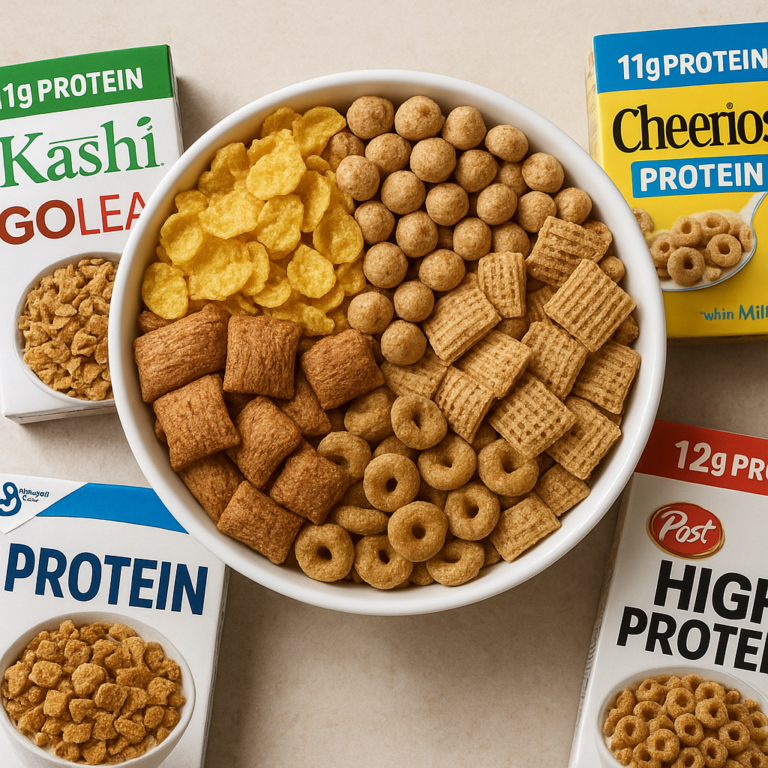
The healthiest cereal brands are Nature’s Path, Kashi GO, Ezekiel 4:9, Grape-Nuts, and selected low-sugar high-protein cereals such as Magic Spoon. The best choice depends on your priorities, but the winning formula is consistent: whole grains, useful fiber, moderate added sugar, and enough protein to keep breakfast from disappearing an hour later.
So, which cereal brands are the healthiest options? We reviewed popular supermarket staples, organic cereals, bran-heavy boxes, sprouted-grain products, muesli, and modern high-protein alternatives to separate genuinely nutritious choices from clever front-of-box theater.
Our reviewers have learned to distrust the oversized “healthy” badge. A cereal can be organic yet sugary, high-protein yet fiber-por, or low-calorie yet so airy that your stomach starts drafting a complaint before your coffee cools.
One simple label check often reveals the winner: look for a whole grain near the top of the ingredients list, at least 3 grams of fiber, and roughly 6 grams or less of added sugar per serving. Then measure the serving once, because the average free-poured bowl can be far larger than the label’s polite little half-cup.
✅ Key Takeaways
- Best overall: Nature’s Path Organic Heritage Flakes offers a strong balance of whole grains, fiber, flavor, and moderate sweetness.
- Best high-protein and high-fiber option: Kashi GO Original is a filling choice for busy mornings.
- Best no-added-sugar traditional cereal: Post Grape-Nuts delivers dense whole-grain crunch and substantial fiber.
- Best sprouted-grain option: Ezekiel 4:9 appeals to shoppers who prefer minimally sweetened grain-and-legume blends.
- Best high-fiber cereal: Fiber One Original provides an impressive fiber boost, but increase portions gradually.
- Best grain-free high-protein cereal: Magic Spoon suits shoppers avoiding grains and added sugar, provided they tolerate alternative sweeteners.
- Best family-friendly staple: Original Cherios is versatile and works well with fruit, milk, yogurt, nuts, or seeds.
- Read the whole label: “Organic,” “multigrain,” “gluten-free,” and “high-protein” do not automatically mean low sugar, high fiber, or nutritionally complete.
- Build a better bowl: Pair cereal with Greek yogurt, dairy or soy milk, fruit, nuts, or seeds to add protein, healthy fats, and staying power.
- 👉 Shop reviewed brands:
- Nature’s Path Heritage Flakes: Amazon | Brand Official
- Kashi GO Original: Amazon | Brand Official
- Ezekiel 4:9 Cereal: Amazon | Brand Official
- Post Grape-Nuts: Amazon | Brand Official
- Magic Spoon: Amazon | Brand Official
Table of Contents
- ⚡️ Quick Tips and Facts: Choosing a Healthier Breakfast Cereal
- What makes a cereal genuinely healthy?
- The best nutrition targets for fiber, sugar, protein, and sodium
- Whole grain cereal vs. refined grain cereal
- 🌾 Cereal’s Story: From Breakfast Staple to Health-Focused Pantry Favorite
- How cold cereal became a household breakfast
- Why cereal nutrition labels look different today
- 🔍 How We Evaluated the Healthiest Cereal Brands
- Our cereal nutrition scorecard
- How serving sizes can make cereal seem healthier
- Ingredients we looked for and ingredients we questioned
- 🏆 15 Healthiest Cereal Brands and Products, Ranked
- 1. Nature’s Path Organic Heritage Flakes
- 2. Kashi GO Original Cereal
- 3. Ezekiel 4:9 Organic Sprouted Grain Cereal
- 4. shredded wheat cereal
- 5. Barbara’s Original Puffins
- 6. Post Grape-Nuts
- 7. Bob’s Red Mill Old Country Style Muesli
- 8. Seven Sundays Rise & Shine Cereal
- 9. Magic Spoon Cereal
- 10. Cheerios Original
- 11. Fiber One Original Bran Cereal
- 12. Special K Original Cereal
- 13. Cascadian Farm Organic Purely O’s
- 14. Lovebird Cereal
- 15. General Mills Total Whole Grain Cereal
- 🥣 Best Healthy Cereals by Dietary Goal
- Best high-fiber cereals
- Best high-protein cereals
- Best low-sugar and no-added-sugar cereals
- Best cereals for weight management
- Best cereals for heart health
- Best cereals for blood sugar control
- Best gluten-free cereals
- Best vegan and plant-based cereals
- Best organic cereals
- Best cereals for children
- Best cereals for older adults
- 📊 Cereal Nutrition Comparison Chart
- Fiber, protein, added sugar, and whole grain comparison
- How the top brands compare with popular sugary cereals
- Understanding calories per serving and bowl size
- 🧾 How to Read a Cereal Nutrition Label Like a Pro
- Check the serving size first
- Find added sugars on the Nutrition Facts panel
- Spot whole grains in the ingredients list
- Evaluate fiber, protein, sodium, and micronutrients
- Decipher front-of-box health claims
- 🍬 Are “Healthy” Cereals Actually Healthy?
- The truth about organic cereal
- The truth about gluten-free cereal
- The truth about keto, high-protein, and grain-free cereal
- Natural sweeteners, syrups, and sugar alcohols explained
- Are cereal preservatives and additives safe?
- 🥛 Building a Balanced, Healthy Cereal Bowl
- The ideal cereal-to-milk ratio
- Best dairy and plant-based milk choices
- Adding fruit, nuts, seeds, and yogurt
- Easy high-protein cereal bowl combinations
- How to reduce added sugar without sacrificing flavor
- 👨 👩 👧 👦 Choosing Cereal for Specific Health Needs
- Cereal for diabetes and prediabetes
- Cereal for high cholesterol and heart health
- Cereal for constipation and digestive health
- Cereal for pregnancy
- Cereal for food allergies and intolerances
- When to ask a registered dietitian for advice
- 🛒 Smart Grocery Shopping for Better Breakfast Cereal
- Where to find healthier cereal brands
- How to compare store-brand and name-brand cereals
- Cereal storage and freshness tips
- When buying cereal in bulk makes sense
- ❌ Common Healthy Cereal Mistakes to Avoid
- Choosing cereal based only on calories
- Ignoring added sugar because the box says “whole grain”
- Confusing fiber-fortified cereal with naturally high-fiber cereal
- Pouring a giant bowl and calling it one serving
- Forgetting the nutrition in milk and toppings
- 🧠 Expert Tips for Making Cereal More Nutritious
- Mix a favorite cereal with a lower-sugar option
- Use portion control without measuring forever
- Pair carbohydrates with protein and healthy fats
- Rotate cereals for variety and better nutrition
- ❓ Frequently Asked Questions About Healthy Cereal
- What is the healthiest cereal brand overall?
- What is the healthiest cereal with no added sugar?
- Which cereal has the most fiber?
- Is oatmeal healthier than cold cereal?
- Are Cheerios healthy?
- Is granola healthier than cereal?
- What cereal is best for weight loss?
- Can you eat cereal every day?
- Is high-protein cereal worth buying?
- How much sugar should cereal contain?
- ✅ Conclusion
- 🔗 Recommended Links
- ❓ FAQ
- 📚 Reference Links
⚡️ Quick Tips and Facts: Choosing a Healthier Breakfast Cereal
If you want the short answer before we inspect every crunchy flake: the healthiest cereal brands usually prioritize whole grains, meaningful fiber, modest added sugar, and enough protein to keep breakfast from turning into a midmorning snack emergency.
Our broader guide to healthy cereal brands covers the category, but here’s the practical Popular Brands™ filter we use in the supermarket aisle.
What makes a cereal genuinely healthy?
Look for a cereal that checks most of these boxes:
- Whole grain listed first in the ingredients.
- At least 3 grams of fiber per serving; more is helpful for a high-fiber breakfast.
- Around 6 grams of added sugar or less, using the benchmark reported by Today.
- Some protein, ideally from grains, legumes, nuts, seeds, dairy, or added plant protein.
- A reasonable serving size that you can actually measure.
- Limited reliance on frosting, syrups, candy pieces, artificial colors, or sugar-coated dried fruit.
- Sodium that fits your overall dietary needs.
The FDA Nutrition Facts label guide is your best reality check. Front-of-box claims can shout “whole grain” while the ingredient list quietly whispers “mostly refined flour.”
The best nutrition targets for fiber, sugar, protein, and sodium
| Nutrition feature | A useful target | Why it matters |
|---|---|---|
| Fiber | 3+ g per serving | Supports fullness and digestive health |
| Protein | 5+ g per serving | Helps make breakfast more satisfying |
| Added sugar | 0–6 g per serving | Leaves room for fruit or a lightly sweetened topping |
| Whole grains | First ingredient when possible | Preserves more of the grain’s natural structure |
| Sodium | Lower is generally better | Especially relevant for people monitoring blood pressure |
| Serving size | Check grams and cups | A large bowl can quietly become two or three servings |
These aren’t laws carved into a granola bar. They’re shopping guardrails. A cereal with 2 grams of fiber can still work if you add Greek yogurt, berries, and seeds. A cereal with 18 grams of fiber may be less appealing if it relies on sweeteners you dislike or causes digestive discomfort.
Whole grain cereal vs. refined grain cereal
Whole grains contain the bran, germ, and endosperm. Refing commonly removes the bran and germ, reducing fiber and some vitamins and minerals. Harvard T.H. Chan School of Public Health explains why whole grains are generally preferred over refined grains.
Good ingredient-list clues:
- Whole wheat
- Whole-grain oats
- Whole-grain corn
- Sprouted wheat
- Bran
- Brown rice
Less impressive first ingredients:
- Enriched wheat flour
- Rice flour
- Corn flour
- Wheat flour
- Sugar or syrup
One caveat: “multigrain” does not automatically mean whole grain. It can simply mean several grains are present, even if they’re refined.
A quick cereal bowl formula
Use this simple sequence:
- Choose a cereal with whole grains and fiber.
- Add protein-rich milk, soy milk, or Greek yogurt.
- Add berries, banana, apple, nuts, or seeds.
- Taste before adding sweetener.
- Measure the cereal once or twice so your usual bowl has a sensible baseline.
That last step matters. Today’s reporting notes that a three-cup pour can turn a seemingly modest breakfast into a much larger meal. The bowl is innocent. The bottomless refill is where the plot thickens.
🌾 Cereal’s Story: From Breakfast Staple to Health-Focused Pantry Favorite
How cold cereal became a household breakfast
Modern packaged breakfast cereals grew from late-19th- and early-20th-century interest in convenient grain foods. Brands such as Kellogg’s, Post Consumer Brands, and General Mills helped transform cereal into an everyday pantry staple.
That convenience remains cereal’s superpower:
- It requires little preparation.
- It stores well.
- It can be adapted for children, athletes, and busy adults.
- It works as breakfast, a snack, or a crunchy topping.
But convenience also created a nutritional split. Some boxes are essentially whole grains in a tidy package. Others are dessert wearing a cartoon mascot.
Why cereal nutrition labels look different today
Today’s shelf includes:
- Traditional whole-grain flakes
- Bran cereals
- Muesli
- Granola
- High-protein cereal
- Keto and grain-free cereal
- Gluten-free options
- Organic cereal
- Sprouted-grain cereal
- No-added-sugar cereal
This variety is useful, but it can make comparisons tricky. One brand may use a half-cup serving while another uses a full cup. One may list naturally occurring fruit sugar; another may use added sweeteners. A cereal with “zero sugar” may still be heavily sweetened with allulose, stevia, or monk fruit.
The label, not the marketing costume, gets the final vote.
🔍 How We Evaluated the Healthiest Cereal Brands
We reviewed cereal brands using nutrition information, ingredient patterns, published expert guidance, and real-world eating practicality. We also considered a question that nutrition tables often ignore: Would we happily eat this cereal again next week?
Our cereal nutrition scorecard
| Category | What we assessed | Why it matters |
|---|---|---|
| Whole-grain quality | Type and position of grains | Better indicator than “multigrain” alone |
| Fiber | Grams per serving and source | Supports fullness and digestive health |
| Protein | Naturally occurring or added protein | Helps balance a carbohydrate-heavy breakfast |
| Added sugar | Amount and sweetener type | Important for daily sugar intake |
| Ingredient simplicity | Additives, colors, flavors, preservatives | Matters to shoppers with ingredient preferences |
| Taste and texture | Crispness, chew, sweetness, aftertaste | Healthy food still needs to be enjoyable |
| Versatility | Milk, yogurt, snacking, recipes | Makes a box more useful |
| Dietary fit | Gluten-free, vegan, organic, grain-free | Helps match individual needs |
| Portion realism | Serving size versus typical use | Prevents misleading comparisons |
How serving sizes can make cereal seem healthier
A cereal may list impressive numbers per half cup, but many people pour twice that amount. The FDA explains that serving sizes are standardized reference amounts, not personal prescriptions.
When comparing cereals, write down:
- Serving size in grams.
- Serving size in cups.
- Fiber and protein per serving.
- Added sugar per serving.
- What those numbers become if you eat two servings.
For example, a cereal containing 11 grams of protein per half cup may provide 22 grams in a one-cup bowl, but its calories, fiber, and sweetener exposure also double.
Ingredients we looked for and ingredients we questioned
Ingredients we liked seeing:
- Whole wheat
- Oats
- Wheat bran
- Sprouted grains
- Nuts and seeds
- Unsweetened dried fruit
- Legumes or pea protein
- Flaxseed
Ingredients that deserved closer inspection:
- Sugar among the first ingredients
- Corn syrup or brown rice syrup
- Frosting or coating
- Sugar-coated fruit
- Artificial colors
- Large amounts of sugar alcohols
- Sweeteners that cause digestive issues for some people
- Preservatives such as BHT, depending on your personal preference
A caution on additives: “natural” does not automatically mean nutritious, and an unfamiliar chemical name does not automatically mean dangerous. The FDA food-ingredient overview offers a more reliable starting point than viral ingredient lists.
🏆 15 Healthiest Cereal Brands and Products, Ranked
The rankings below reflect overall nutritional quality, ingredient profile, taste, versatility, and practicality. Nutrition formulas can change, so check the current package before buying.
Rating snapshot
| Rank | Cereal | Nutrition | Ingredient profile | Taste | Versatility | Overall |
|---|---|---|---|---|---|---|
| 1 | Nature’s Path Organic Heritage Flakes | 9.0 | 9.0 | 8.5 | 8.5 | 8.8 |
| 2 | Kashi GO Original | 9.2 | 8.0 | 8.0 | 8.5 | 8.7 |
| 3 | Ezekiel 4:9 Sprouted Grain Cereal | 9.1 | 9.2 | 7.5 | 8.0 | 8.5 |
| 4 | Post Grape-Nuts | 8.8 | 8.8 | 7.8 | 9.0 | 8.6 |
| 5 | Barbara’s Original Puffins | 7.8 | 8.0 | 8.5 | 8.0 | 8.1 |
| 6 | Bob’s Red Mill Muesli | 8.6 | 8.8 | 7.8 | 8.7 | 8.5 |
| 7 | Seven Sundays Rise & Shine | 7.8 | 8.4 | 8.5 | 8.0 | 8.2 |
| 8 | Magic Spoon Fruity | 8.2 | 7.6 | 8.2 | 8.2 | 8.1 |
| 9 | Cherios Original | 8.0 | 8.0 | 7.8 | 8.7 | 8.1 |
| 10 | Fiber One Original | 9.2 | 6.8 | 6.8 | 7.8 | 7.7 |
| 11 | Cascadian Farm Organic Purely O’s | 7.8 | 8.4 | 7.6 | 8.2 | 8.0 |
| 12 | Lovebird Cereal | 7.5 | 8.4 | 7.6 | 7.8 | 7.8 |
| 13 | General Mills Total | 8.2 | 7.4 | 7.2 | 7.8 | 7.7 |
| 14 | Special K Original | 7.0 | 7.0 | 7.5 | 7.5 | 7.3 |
| 15 | Kellogg’s All-Bran | 8.6 | 7.0 | 6.8 | 7.5 | 7.5 |
Important: Formulations, fortification, and serving sizes can change. Use the product package and official nutrition label as the final source.
1. Nature’s Path Organic Heritage Flakes
Nature’s Path Organic Heritage Flakes earns our top overall spot because it combines whole grains, a respectable fiber profile, restrained sweetness, and everyday usability.
Why we like it:
- Whole-grain-focused ingredient profile.
- Works with berries, bananas, yogurt, or nuts.
- Pleasantly crisp without tasting like cardboard confetti.
- Organic positioning appeals to shoppers who prioritize certified organic foods.
Potential drawbacks:
- Some people may want more protein.
- The texture can soften quickly in warm milk.
- “Organic” does not mean automatically low in calories or sugar.
Consumer Reports’ cereal roundup, as summarized by Today, included Nature’s Path Organic Heritage Flakes among cereals receiving strong nutrition and taste marks.
Best for: A balanced, traditional whole-grain breakfast.
2. Kashi GO Original
Kashi GO Original is built for shoppers who want cereal to do more than provide crunch. It is known for a higher-protein, higher-fiber approach compared with many conventional flakes.
The first video’s summary highlights Kashi GO for roughly 12 grams of fiber and 11 grams of protein, with moderate added sugar. Always verify the current box because formulas can change.
Why it stands out:
- Strong fiber-and-protein combination.
- More filling than a low-fiber puffed cereal.
- Useful for busy mornings when you cannot assemble a full breakfast.
- Pairs well with milk and fresh fruit.
Potential drawbacks:
- Dense clusters can feel chewy or tough.
- Higher-fiber formulas may cause bloating if you increase portions quickly.
- Flavor and texture are less delicate than corn flakes or rice crisps.
Best for: People who want a convenient, more sating cereal.
3. Ezekiel 4:9 Sprouted Grain Cereal
Food for Life Ezekiel 4:9 cereals use sprouted grains and legumes. The first video calls its flax version a favorite, citing approximately 8 grams of protein, 7 grams of fiber, 3 grams of healthy fats, and 1 gram of added sugar per serving in the featured product.
Why we like it:
- Sprouted grains and legumes create a distinctive ingredient profile.
- Often less sweet than mainstream cereals.
- Flax can contribute beneficial unsaturated fats and fiber.
- Works well with fruit because the cereal itself is restrained.
Potential drawbacks:
- The flavor is earthy and nuty, not dessert-like.
- Texture can become soft quickly.
- It contains gluten and is not suitable for people with celiac disease.
The Celiac Disease Foundation advises people with celiac disease to avoid gluten, so “sprouted” should never be mistaken for “gluten-free.”
Best for: Whole-food-minded shoppers who enjoy savory, nuty grain flavor.
4. Post Grape-Nuts
Post Grape-Nuts has an unusually simple identity: crunchy, dense, wheat-and-barley character with little dependence on sweetness.
It appeared among the strong options in the Consumer Reports list summarized by Today. The first video summary also highlights Grape-Nuts for zero added sugar, approximately 6 grams of protein, and 7 grams of fiber per serving.
Why it stands out:
- Zero-added-sugar appeal.
- Dense crunch encourages slower eating.
- Excellent yogurt topping.
- Adds texture to smoothies, baked fruit, or cottage cheese bowls.
Potential drawbacks:
- Extremely hard crunch can be challenging for some teeth.
- The flavor is malt-like and not for everyone.
- A small portion can feel surprisingly caloric because the cereal is dense.
Our team’s favorite trick: soak it in milk for a few minutes, then add blueberries. It becomes less “breakfast gravel” and more “chewy granola’s serious cousin.”
Best for: Adults wanting a low-sugar, high-fiber cereal with maximum crunch.
5. Barbara’s Original Puffins
Barbara’s Original Puffins offers a lighter, snackable texture and a relatively approachable ingredient profile.
Benefits:
- Naturally snack-friendly.
- Usually less sugary than brightly frosted children’s cereals.
- Works well mixed with plain Cheerios or bran flakes.
- A good bridge for families transitioning away from heavily sweetened cereal.
Drawbacks:
- Protein may be modest.
- The cereal’s sweetness can vary by flavor.
- “Original” and flavored versions should be compared separately.
Best for: Families who want a more fun texture without choosing a frosted cereal.
6. Bob’s Red Mill Old Country Style Muesli
Bob’s Red Mill muesli offers a less processed-looking blend of grains, fruit, seeds, and nuts. It can be served cold, soaked overnight, or warmed.
The first video summary specifically points to Bob’s Red Mill Gluten-Free Muesli as a higher-fat, gluten-free option with a small amount of added sugar, depending on the formulation.
Why we like it:
- Excellent textural variety.
- Easy to customize with yogurt, milk, or fruit.
- Often more satisfying than a very airy cereal.
- Useful as an oatmeal alternative.
Potential drawbacks:
- Dried fruit contributes natural sugar.
- Nuts and seeds increase calories, though they also add fats and texture.
- Cross-contact and formulation details matter for gluten-free shoppers.
Best for: People who prefer a hearty, spoonable grain-and-fruit blend.
7. Seven Sundays Rise & Shine
Seven Sundays Rise & Shine appeals to shoppers looking for a cereal with recognizable ingredients and a more modern granola-like character.
Strengths:
- Often includes nuts, seeds, grains, or fruit.
- More complex flavor than plain flakes.
- Useful as a topping for yogurt and smoothie bowls.
- Attractive to shoppers reducing highly processed breakfast foods.
Watch-outs:
- Granola-style cereals can be energy-dense.
- “Healthy fats” do not make unlimited portions calorie-free.
- Check sugar and saturated fat across flavors.
Best for: A satisfying cereal topping or a small bowl paired with protein-rich yogurt.
8. Magic Spoon Fruity
Magic Spoon Fruity became popular by promising a nostalgic cereal experience with zero sugar and high protein. The Tasting Table review calls it the best overall among its eight no-sugar-added choices and describes it as offering 13 grams of protein per serving.
Why it stands out:
- Grain-free and gluten-free.
- High protein relative to conventional fruity cereal.
- Uses monk fruit and allulose rather than table sugar.
- Bright flavor and strong nostalgic appeal.
Potential drawbacks:
- Some people dislike the aftertaste of alternative sweeteners.
- Higher protein does not automatically mean more micronutrients.
- Allulose and other sweeteners may cause digestive issues for some people.
- It is a premium-style product, so it may not suit every pantry budget.
Tasting Table praised the cereal’s fruity flavor and lack of an obvious monk-fruit aftertaste, while also making clear that no-sugar-added cereals can differ substantially in texture and sweetness.
Best for: Low-sugar, grain-free eaters who miss colorful cereal.
9. Cheerios Original
Cherios Original remains one of the easiest mainstream recommendations because it is familiar, versatile, and generally less sweet than many flavored alternatives.
Why we like it:
- Oat-based cereal with a simple, recognizable format.
- Works for children and adults.
- Easy to combine with berries, banana, nuts, or seeds.
- Can be used as a crunchy snack or recipe ingredient.
Potential drawbacks:
- Protein is modest unless paired with milk or yogurt.
- A bowl of plain Cheerios is not a complete breakfast for everyone.
- Flavored versions can add substantially more sugar.
The first video suggests choosing regular Cheerios and adding honey yourself rather than automatically buying Honey Nut Cheerios. That strategy gives you more control over sweetness, although honey still counts as added sugar according to FDA guidance.
Best for: A dependable family cereal that becomes more balanced with smart toppings.
10. Fiber One Original
Fiber One Original is the fiber heavyweight of this group. Tasting Table reports approximately 18 grams of fiber per serving, or about 65% of the Daily Value in the reviewed product.
Why it stands out:
- Exceptionally high fiber.
- Can help people increase fiber intake conveniently.
- Softens into an oatmeal-like texture with milk.
- Works mixed with a sweeter cereal to reduce the sweetness of the overall bowl.
Potential drawbacks:
- The large fiber jump can cause gas, cramping, or bloating.
- The reviewed version uses sucralose.
- Sweetness and texture may feel artificial to some eaters.
- It is not ideal for someone already eating a high-fiber diet who increases portions too quickly.
The National Institute of Diabetes and Digestive and Kidney Diseases recommends increasing fiber gradually and drinking enough fluid.
Best for: Experienced high-fiber eaters who tolerate the ingredients and need a practical fiber boost.
11. Cascadian Farm Organic Purely O’s
Cascadian Farm Organic Purely O’s is an organic oat-and-corn ring cereal with a simple, familiar shape.
Benefits:
- Organic option in an accessible ring format.
- Works well for kids and adults.
- Mild flavor makes it easy to pair with fruit.
- Useful as a lower-sugar base in a cereal blend.
Drawbacks:
- Protein may be modest.
- It may not keep you full by itself.
- Organic certification does not eliminate the need to check fiber and added sugar.
Best for: Families who want a simple organic cereal without frosting.
12. Lovebird Cereal
Lovebird Cereal targets parents seeking grain-based cereal made with a shorter, more recognizable ingredient list.
Strengths:
- Family-friendly positioning.
- Often avoids some conventional artificial color and flavor concerns.
- Mild sweetness can appeal to children shifting from sugary cereal.
- Easy to serve with fruit and milk.
Potential drawbacks:
- Nutritional details vary by flavor.
- Protein may remain modest.
- A “cleaner” ingredient list does not necessarily mean high fiber.
Best for: Parents prioritizing ingredient simplicity while still wanting a kid-friendly bowl.
13. General Mills Total
General Mills Total has long been associated with vitamin and mineral fortification. It appeared among the cereals recommended in the Consumer Reports list summarized by Today.
Why it can work:
- Broad micronutrient fortification.
- Whole-grain positioning.
- Familiar, easy-to-find format.
- Pairs well with fresh fruit.
Potential drawbacks:
- Fortification does not replace fiber-rich whole foods.
- Taste is less exciting than muesli or nut-based cereal.
- Check the current sugar and sodium panel rather than relying on the brand’s reputation.
Best for: Shoppers who value fortified nutrients and a straightforward cereal.
14. Special K Original
Special K Original is light, crisp, and easy to portion visually. It can fit a balanced breakfast, especially with milk, berries, and nuts.
Benefits:
- Light texture.
- Familiar flavor.
- Easy to combine with higher-fiber cereals.
- Useful for people who dislike dense bran cereals.
Drawbacks:
- Often less fiber and protein than the strongest options here.
- The low-calorie image can encourage oversized portions.
- Some flavored varieties contain more sugar.
Best for: A lighter base cereal, not necessarily a complete meal by itself.
15. Kellogg’s All-Bran
Kellogg’s All-Bran can contribute substantial bran fiber and works well for people who enjoy a firm, grainy texture.
Strengths:
- Fiber-forward.
- Can be mixed with sweeter cereal for balance.
- Useful with yogurt, berries, and milk.
- Familiar option for digestive-health-focused shoppers.
Drawbacks:
- Bran texture can be intense.
- Some people experience digestive discomfort if they increase intake rapidly.
- Current formulas and sweetener levels vary by product.
Best for: People who specifically want a bran-rich breakfast and already tolerate higher fiber.
🥣 Best Healthy Cereals by Dietary Goal
Best high-fiber cereals
Our leading picks are:
- Fiber One Original for maximum fiber.
- Kashi GO Original for a more balanced protein-and-fiber profile.
- Post Grape-Nuts for fiber without added sugar.
- Ezekiel 4:9 for sprouted grains and legumes.
- All-Bran for a classic bran approach.
| Goal | Strong choice | Why |
|---|---|---|
| Maximum fiber | Fiber One | Extremely high fiber per reviewed serving |
| Fiber plus protein | Kashi GO | More balanced macronutrient profile |
| Zero-added-sugar fiber | Grape-Nuts | Dense whole-grain crunch |
| Whole-food-style fiber | Ezekiel 4:9 | Sprouted grains and legumes |
| Bran-focused eating | All-Bran | Traditional bran cereal |
Increase fiber gradually. A sudden jump from sugary cereal to a giant bowl of bran is a reliable way to make your stomach file a formal complaint.
Best high-protein cereals
For the most protein, consider:
- Magic Spoon Fruity
- Kashi GO Original
- Catalina Crunch Cinnamon Toast
- Special K Zero Strawberry Crème
- Ezekiel 4:9 Flax
Catalina Crunch, reviewed by Tasting Table, provides approximately 11 grams of protein and 9 grams of fiber per half-cup serving in the reviewed flavor.
But read the full label. Protein may come from pea, soy, whey, or other concentrates. That can be helpful, yet it also means the cereal may behave more like a fortified snack than a traditional grain food.
Best low-sugar and no-added-sugar cereals
Best options include:
- Post Grape-Nuts
- Original shredded wheat
- Magic Spoon
- Catalina Crunch
- Plain muesli
- Cheerios Original
- Ezekiel 4:9
“No added sugar” is not the same as “no sugar.” Fruit, raisins, dates, and other ingredients can contribute naturally occurring sugar. Tasting Table emphasizes this distinction in its ranking.
Also watch serving sizes. A cereal with zero added sugar can still be calorically dense if the bowl contains several servings.
Best cereals for weight management
There is no magic weight-loss cereal. Today quotes an expert emphasizing that weight management depends on the overall eating pattern, not one food.
For a more satisfying bowl, choose:
- At least 3 grams of fiber.
- Meaningful protein from milk, soy milk, yogurt, nuts, seeds, or the cereal itself.
- A portion you can repeat consistently.
- Fruit for volume and sweetness.
- Minimal liquid calories.
A useful formula is:
¾–1 cup cereal + ¾–1 cup milk or yogurt + fruit + one small protein or fat addition.
The best cereal for weight management is the one you enjoy enough to serve sensibly, not the one that tastes like packing material but photographs well.
Best cereals for heart health
Choose whole-grain cereals such as:
- Oat-based Cheerios
- Grape-Nuts
- Kashi GO
- Nature’s Path Heritage Flakes
- Ezekiel 4:9
- Plain oatmeal
- Bran cereals
The American Heart Association supports choosing whole grains and fiber-rich foods as part of a heart-healthy eating pattern.
Pair cereal with:
- Berries
- Walnuts
- Ground flaxseed
- Unsweetened soy milk
- Plain yogurt
If you have a diagnosed condition such as high cholesterol, follow your clinician’s advice on saturated fat, sodium, and total dietary patterns.
Best cereals for blood sugar control
A lower-sugar cereal is not automatically low-glycemic. Digestion depends on grain structure, fiber, portion size, protein, and what you eat alongside it.
Better approaches include:
- Choose unsweetened or lightly sweetened cereal.
- Add Greek yogurt, milk, nuts, or seeds.
- Use berries instead of sugar-coated fruit.
- Avoid starting with a large bowl of refined, frosted cereal.
- Monitor your own response if you have diabetes.
The American Diabetes Association explains that carbohydrate quality, quantity, and pairing all matter.
Best gluten-free cereals
Good candidates include:
- Magic Spoon
- Bob’s Red Mill Gluten-Free Muesli
- Certified gluten-free oat cereals
- Gluten-free granola with modest added sugar
- Rice- or corn-based cereals with whole-grain ingredients
Look for a certified gluten-free label if you have celiac disease. Cross-contact can occur during growing, processing, transport, or manufacturing.
Do not assume “wheat-free” means gluten-free. Barley and rye also contain gluten.
Best vegan and plant-based cereals
Most plain cereals are naturally vegan, but hidden ingredients can include:
- Honey
- Milk powder
- Whey
- Gelatin
- Confectioner’s glaze
Plant-based pairings include:
- Fortified soy milk
- Pea-protein milk
- Unsweetened almond milk
- Coconut yogurt
- Soy yogurt
- Hemp hearts
- Chia or ground flax
Among milk alternatives, fortified soy milk generally provides protein closer to dairy milk than many nut milks. Compare labels using guidance from MyPlate.
Best organic cereals
Organic options include:
- Nature’s Path Heritage Flakes
- Cascadian Farm Purely O’s
- Seven Sundays
- Bob’s Red Mill muesli
- Lovebird
- Cascadian Farm Mixed Berry
Organic certification addresses production standards, not whether a cereal is low in sugar or high in fiber. A heavily sweetened organic cereal is still heavily sweetened.
Best cereals for children
For children, prioritize:
- Lower added sugar.
- Whole grains.
- Fiber appropriate for the child’s age and tolerance.
- Iron and other fortified nutrients.
- A portion matched to appetite and age.
- Exposure to different textures and flavors.
Family-friendly choices may include:
- Cheerios Original
- Barbara’s Puffins
- Cascadian Farm Purely O’s
- Lovebird
- Lightly sweetened whole-grain flakes
- Plain oatmeal with fruit
Avoid turning cereal into a moral battleground. A small amount of a favorite cereal mixed with a less sweet option can work better than declaring every colorful box forbidden treasure.
Best cereals for older adults
Older adults may benefit from cereals that provide:
- Fiber for digestive regularity.
- Protein when paired with dairy or soy milk.
- Vitamin B12, vitamin D, iron, or other fortified nutrients when appropriate.
- Easy chewing and digestibility.
- Lower added sugar.
Try softened Grape-Nuts, oatmeal, muesli soaked overnight, or a whole-grain flake with yogurt. People with swallowing difficulties should follow advice from a physician or speech-language pathologist.
📊 Cereal Nutrition Comparison Chart
Fiber, protein, added sugar, and whole grain comparison
The following is a practical comparison based on commonly reported product positioning and the cited reviews. Check current packaging because formulations vary.
| Cereal | Fiber profile | Protein profile | Added sugar profile | Best feature |
|---|---|---|---|---|
| Nature’s Path Heritage Flakes | Moderate to high | Moderate | Low to moderate | Balanced whole grains |
| Kashi GO Original | High | High | Moderate | Protein plus fiber |
| Ezekiel 4:9 Flax | High | High for grain cereal | Low | Sprouted grains |
| Grape-Nuts | High | Moderate | None in reviewed version | Dense whole-grain crunch |
| Magic Spoon Fruity | Low to moderate | High | 0 g in reviewed version | Grain-free protein |
| Catalina Crunch | Very high | High | 0 g in reviewed version | Protein and fiber |
| Fiber One | Extremely high | Moderate | Sweetened in reviewed version | Maximum fiber |
| Cheerios Original | Moderate | Modest | Low | Familiar versatility |
| Bob’s Red Mill Muesli | Moderate | Moderate | Low to moderate | Fruit, grains, nuts |
| Purely O’s | Moderate | Modest | Low | Simple organic ring cereal |
How the top brands compare with popular sugary cereals
| Feature | Whole-grain, lower-sugar cereal | Frosted or candy-style cereal |
|---|---|---|
| Added sugar | Usually modest | Often prominent |
| Fiber | Often higher | Frequently low |
| Protein | Variable | Usually modest |
| Satiety | Better when paired with protein | May fade quickly |
| Flavor | Grain, nut, fruit, or mild sweetness | Strong sweetness and flavoring |
| Best use | Regular breakfast base | Occasional treat or mixed cereal |
The problem is not that one bowl of sugary cereal ruins anyone’s health. The issue is repetition, portion size, and what the cereal displaces. If breakfast contains little protein or fiber, hunger may return quickly.
Understanding calories per serving and bowl size
A label might show nutrition for:
- ½ cup
- ¾ cup
- 1 cup
- 30 grams
- 40 grams
Compare by grams, not only cups, because cereal shapes pack differently. A cup of airy flakes is not equivalent to a cup of dense clusters.
Portion-check method
- Put your usual bowl on a kitchen scale.
- Pour cereal as you normally do.
- Record the weight.
- Compare that weight with the label serving.
- Repeat once with fruit and milk added.
- Decide whether the result fits your hunger and goals.
No one needs to weigh cereal forever. One or two reality checks can reveal whether your “one serving” is secretly three.
🧾 How to Read a Cereal Nutrition Label Like a Pro
Check the serving size first
Start at the top of the Nutrition Facts panel. Ask:
- Is the serving listed in grams?
- Is the cup measurement realistic?
- Does the cereal contain clusters or dried fruit that make servings dense?
- Would I usually eat one serving or more?
The FDA serving-size guide explains how reference serving amounts work.
Find added sugars on the Nutrition Facts panel
Since updated U.S. labels distinguish total sugars from added sugars, compare both:
- Total sugars: Naturally occurring plus added sugars.
- Added sugars: Sugars added during processing.
Raisins, dates, and dried fruit can increase total sugar without appearing under added sugars. That does not make them bad, but it does mean portion size still matters.
Spot whole grains in the ingredients list
Ingredients are listed by weight. Look for terms such as:
- Whole wheat
- Whole oats
- Whole-grain corn
- Whole-grain barley
- Brown rice
- Sprouted wheat
“Wheat flour” is not the same as “whole wheat flour.” The Whole Grains Council provides useful guidance for identifying whole-grain products.
Evaluate fiber, protein, sodium, and micronutrients
A cereal with excellent fiber but almost no protein may need a protein-rich pairing. A protein cereal with little fiber may need berries, seeds, or a side of fruit.
Check:
- Fiber
- Protein
- Sodium
- Iron
- Calcium
- Vitamin D
- B vitamins
Fortified nutrients can be helpful, especially for people with specific nutritional needs, but they should complement rather than replace varied foods.
Decipher front-of-box health claims
| Claim | What it may mean | What to verify |
|---|---|---|
| Whole grain | Contains whole grain | Is it first in the ingredients? |
| Organic | Meets organic production rules | Sugar, fiber, and serving size |
| High protein | More protein than a comparison product | Protein source and total fiber |
| No added sugar | No sugars added during production | Total sugar from fruit or other ingredients |
| Keto-friendly | Marketed for low-carb eating | Net carbs and sweetener tolerance |
| Gluten-free | Meets gluten-free labeling rules | Certification if medically necessary |
| Multigrain | Contains multiple grains | Whether those grains are whole |
Marketing language is a starting point. It is not a substitute for the label.
🍬 Are “Healthy” Cereals Actually Healthy?
The truth about organic cereal
Organic cereal can reduce exposure to certain approved conventional agricultural practices and may align with personal values. But organic status does not guarantee:
- Low added sugar.
- High fiber.
- High protein.
- Low calories.
- Minimal processing.
Compare organic cereals using the same criteria as conventional cereals.
The truth about gluten-free cereal
Gluten-free cereal is essential for people with celiac disease or medically diagnosed gluten sensitivity, but it is not automatically healthier for everyone. Some gluten-free cereals replace wheat with refined rice, corn, or starches and may contain less fiber.
Choose gluten-free products based on:
- Whole-grain ingredients.
- Fiber.
- Added sugar.
- Protein.
- Cross-contact controls.
The truth about keto, high-protein, and grain-free cereal
High-protein and grain-free cereals can be useful, particularly when they help someone eat breakfast consistently. But they may rely on:
- Pea protein.
- Whey protein.
- Soy protein.
- Allulose.
- Erythritol.
- Stevia.
- Monk fruit.
- Added fibers.
These ingredients are not automatically problematic. They simply create a different eating experience. Some people love the extra protein; others dislike the texture or develop digestive symptoms.
Natural sweeteners, syrups, and sugar alcohols explained
Honey, maple syrup, coconut sugar, and agave are still added sweeteners when added to cereal. “Natural” describes origin, not a free nutritional pass.
Sugar alcohols and alternative sweeteners may reduce sugar, but tolerance varies. Some people experience:
- Bloating.
- Gas.
- Loose stools.
- Lingering aftertaste.
Start with a small serving if you are unfamiliar with a new high-fiber or alternative-sweetened cereal.
Are cereal preservatives and additives safe?
Approved additives are regulated, but individual preferences differ. Some shoppers avoid BHT, artificial colors, or certain emulsifiers. Others focus primarily on sugar, fiber, and total dietary pattern.
Our advice: avoid panic and avoid complacency. Use authoritative sources such as the FDA food additives database and guidance rather than social-media screenshots.
🥛 Building a Balanced, Healthy Cereal Bowl
The ideal cereal-to-milk ratio
There is no medically perfect ratio, but a practical starting point is:
- ¾–1 cup cereal
- ¾–1 cup milk or fortified plant milk
- ½–1 cup fruit
- Optional nuts, seeds, or yogurt
Dense cereal may need more liquid. Airy flakes may need less. The goal is a bowl that feels satisfying, not a cereal swamp.
Best dairy and plant-based milk choices
| Milk choice | Protein | Useful for |
|---|---|---|
| Cow’s milk | Moderate to high | Protein, calcium, vitamin D |
| Fortified soy milk | Moderate to high | Plant-based protein |
| Pea-protein milk | Moderate to high | Higher-protein dairy alternative |
| Almond milk | Usually low | Light flavor, lower protein |
| Oat milk | Usually low to moderate | Creamy texture |
| Coconut beverage | Usually low | Flavor, not protein |
Check unsweetened versions if you are trying to limit added sugar. Fortification varies, so compare calcium and vitamin D on the label.
Adding fruit, nuts, seeds, and yogurt
Try these combinations:
- Grape-Nuts + plain Greek yogurt + blueberries.
- Cheerios + banana + walnuts.
- Nature’s Path Heritage Flakes + raspberries + soy milk.
- Kashi GO + apple + pumpkin seeds.
- Ezekiel cereal + strawberries + ground flax.
- Bob’s Red Mill muesli + yogurt + cinnamon.
Fresh fruit adds sweetness and volume. Nuts and seeds add fats and crunch. Yogurt adds protein and creaminess. Suddenly, the cereal is no longer carrying the entire breakfast on its tiny cardboard shoulders.
Easy high-protein cereal bowl combinations
Bowl 1: Berry protein crunch
- ¾ cup Kashi GO.
- ¾ cup Greek yogurt.
- ½ cup berries.
- 1 tablespoon chia seeds.
Bowl 2: Chocolate-fruity balance
- ½ cup Magic Spoon.
- ½ cup plain whole-grain cereal.
- Unsweetened soy milk.
- Sliced banana.
Bowl 3: Sprouted-grain breakfast
- 1 serving Ezekiel cereal.
- Fortified soy milk.
- Strawberries.
- 1 tablespoon ground flax.
How to reduce added sugar without sacrificing flavor
- Mix a sweet cereal with an unsweetened cereal.
- Add cinnamon or vanilla.
- Use berries or sliced banana.
- Choose plain yogurt instead of flavored yogurt.
- Let cereal soak briefly before deciding it needs more sweetness.
- If using honey or maple syrup, measure it instead of free-pouring.
The first video’s message is useful here: the goal is a nutrient-rich food that works for you rather than against you. That does not require a joyless breakfast. It requires a little control over the sweetness dial.
👨 👩 👧 👦 Choosing Cereal for Specific Health Needs
Cereal for diabetes and prediabetes
Focus on:
- Lower added sugar.
- More fiber.
- Protein-rich pairings.
- Smaller, measured portions.
- Less refined grain.
- Personal glucose response.
Good starting choices may include Grape-Nuts, plain bran cereal, Kashi GO, or unsweetened muesli, paired with Greek yogurt, soy milk, nuts, or seeds.
Individual needs vary. The American Diabetes Association recommends attention to carbohydrate amount and quality, so speak with your healthcare team for individualized targets.
Cereal for high cholesterol and heart health
Choose whole grains and fiber-rich ingredients. Add:
- Oats.
- Barley.
- Bran.
- Flax.
- Walnuts.
- Berries.
Avoid assuming that any cereal with a heart-shaped logo is automatically heart healthy. Look at saturated fat, added sugar, fiber, and the overall meal.
Cereal for constipation and digestive health
Fiber can help, but more is not always better immediately. Increase slowly and drink adequate fluid. Options include:
- Bran cereal.
- Fiber One, introduced gradually.
- Oat-based cereal.
- Muesli with fruit and seeds.
- Whole-grain flakes.
If constipation is persistent, painful, or accompanied by bleeding or unexplained weight loss, seek medical advice. The NIDK provides symptom and treatment guidance.
Cereal for pregnancy
Pregnant people may value cereals fortified with folate, iron, and other nutrients, but labels should be discussed with a prenatal clinician. Avoid making one cereal responsible for the entire diet.
Consider:
- Whole grains.
- Moderate added sugar.
- Iron-fortified choices when appropriate.
- Pasteurized milk or yogurt.
- Nuts and fruit.
- Food-safety guidance for toppings.
The ACOG nutrition guidance is a reliable reference.
Cereal for food allergies and intolerances
Check for:
- Wheat and gluten.
- Milk and whey.
- Soy.
- Tree nuts.
- Peanuts.
- Sesame.
- Coconut.
- Cross-contact statements.
Read the entire ingredient list every time you buy, especially when a familiar package changes design or formula.
When to ask a registered dietitian for advice
Professional guidance is worthwhile if you have:
- Diabetes.
- Celiac disease.
- Kidney disease.
- Severe food allergies.
- Irritable bowel syndrome.
- A history of disordered eating.
- Significant digestive symptoms.
- A medically prescribed high-fiber or low-fiber diet.
A dietitian can build a cereal routine around your actual needs rather than handing you a universal “best cereal” list.
🛒 Smart Grocery Shopping for Better Breakfast Cereal
Where to find healthier cereal brands
You may find strong options at:
- Conventional supermarkets.
- Natural-food stores.
- Warehouse clubs.
- Online grocery retailers.
- Brand websites.
- Major online marketplaces.
Use brand sites for current ingredient and allergen information. For example, compare Nature’s Path, Kashi, Post, and General Mills directly.
How to compare store-brand and name-brand cereals
Store brands can offer similar nutrition to name brands. Compare:
- Whole-grain ingredients.
- Fiber per serving.
- Added sugar.
- Protein.
- Sodium.
- Serving size.
- Allergen information.
- Taste and texture.
The famous logo is not always the nutritional winner. Sometimes the supermarket’s quiet store-brand bran flakes are doing excellent work while the flashy box is busy wearing sunglasses.
Cereal storage and freshness tips
- Seal the bag tightly after opening.
- Store in a cool, dry cupboard.
- Keep muesli and granola away from heat and moisture.
- Use clean, dry scops.
- Check nuts, seeds, and dried fruit for off smells.
- Freeze bulky whole-grain blends if your household uses them slowly.
When buying cereal in bulk makes sense
Bulk buying works when:
- Your household already likes the cereal.
- The product has a long shelf life.
- You can store it airtight.
- Portion control remains realistic.
- The package will not sit open for months.
For expensive specialty cereals, test one box before committing to a giant pantry tower.
❌ Common Healthy Cereal Mistakes to Avoid
Choosing cereal based only on calories
Lower calories do not guarantee better nutrition. A light cereal may be low in protein and fiber, leaving you hungry soon after breakfast.
Ignoring added sugar because the box says “whole grain”
Whole grain and added sugar can coexist. Check the added-sugar line and ingredient list.
Confusing fiber-fortified cereal with naturally high-fiber cereal
Added fibers can be useful, but they may affect digestion differently from intact whole grains. Look at the complete ingredient list and your own tolerance.
Pouring a giant bowl and calling it one serving
Use a measuring cup or kitchen scale once. This single experiment has humbled many cereal enthusiasts, including us.
Forgeting the nutrition in milk and toppings
Sweetened milk, flavored yogurt, dried fruit, honey, and granola can add substantial sugar. Toppings are not villains; they simply count.
🧠 Expert Tips for Making Cereal More Nutritious
Mix a favorite cereal with a lower-sugar option
Try:
- ½ cup favorite cereal.
- ½ cup plain whole-grain cereal.
- Fresh fruit.
- Protein-rich milk.
This preserves enjoyment while lowering the average sweetness of the bowl.
Use portion control without measuring forever
Measure for a week, then learn the visual cue:
- Dense cereal: smaller bowl.
- Airy flakes: larger volume can still equal a modest weight.
- Cluster cereal: use grams because cups can be misleading.
Pair carbohydrates with protein and healthy fats
A cereal-only breakfast may digest quickly for some people. Add:
- Greek yogurt.
- Milk or soy milk.
- Cottage cheese on the side.
- Nuts.
- Seeds.
- Nut butter.
- Eggs, if cereal is part of a larger breakfast.
Rotate cereals for variety and better nutrition
Keep two or three styles:
- A high-fiber cereal.
- A simple whole-grain cereal.
- A muesli or granola-style option.
- An occasional favorite cereal for enjoyment.
Rotation makes breakfast less boring and reduces dependence one fortified product.
❓ Frequently Asked Questions About Healthy Cereal
What is the healthiest cereal brand overall?
Our overall recommendation is Nature’s Path Organic Heritage Flakes for balanced whole-grain nutrition, restrained sweetness, versatility, and taste. Kashi GO Original is a stronger choice if you prioritize protein and fiber, while Ezekiel 4:9 suits people who prefer sprouted grains and minimal sweetness.
There is no single winner for every diet. A person with celiac disease, diabetes, or a nut allergy may need a different choice.
What is the healthiest cereal with no added sugar?
Strong options include:
- Post Grape-Nuts.
- Plain shredded wheat.
- Alpen Muesli.
- Some Bob’s Red Mill muesli products.
- Magic Spoon, if alternative sweeteners suit you.
Check the current package because dried fruit can increase total sugar even when no cane sugar is added. Tasting Table’s ranking makes this distinction clearly.
Which cereal has the most fiber?
Among the reviewed products, Fiber One Original provides the most fiber, with Tasting Table reporting approximately 18 grams per serving. That is a major amount, so begin with a smaller portion if you are not accustomed to high-fiber cereal.
Kashi GO, Grape-Nuts, bran cereals, and Ezekiel options provide more moderate high-fiber alternatives.
What are the best high-protein cereal brands?
Good high-protein choices include:
- Magic Spoon.
- Kashi GO.
- Catalina Crunch.
- Ezekiel 4:9 Flax.
- Special K Zero Protein varieties.
Compare protein with fiber and sweetener type. A cereal providing protein but little fiber may still need fruit, seeds, or yogurt.
Is oatmeal healthier than cold cereal?
Plain oatmeal and a well-chosen cold cereal can both fit a healthy diet. Oatmeal offers soluble fiber and easy control over sweetness, while cold cereal is faster and can provide useful fortification.
The better option is the one that:
- Contains suitable fiber.
- Does not rely heavily on added sugar.
- Keeps you satisfied.
- Fits your schedule.
- You can prepare consistently.
Are Cheerios healthy?
Original Cheerios can be a healthy cereal choice, especially when paired with milk or soy milk, fruit, nuts, or yogurt. Flavored versions often contain more added sugar, so compare varieties rather than treating the Cheerios name as a blanket guarantee.
Is granola healthier than cereal?
Not automatically. Granola often contains nuts and oats but can also be calorie-dense because of oils, syrups, and clusters. Use granola as a topping or measured portion and compare added sugar, saturated fat, and serving size.
What cereal is best for weight loss?
No cereal causes weight loss by itself. Choose a cereal with fiber, pair it with protein, and measure your portion. Kashi GO, Grape-Nuts, Nature’s Path Heritage Flakes, plain bran cereal, and unsweetened muesli can all work depending on your overall diet.
Can you eat cereal every day?
Yes. You can eat cereal daily if the overall pattern includes vegetables, fruit, protein, healthy fats, and a range of whole foods. Rotate cereals and toppings to avoid nutritional monotony.
How much sugar should cereal contain?
A practical target is 6 grams or less of added sugar per serving, though personal preferences and the rest of the meal matter. A cereal with 8 grams can still fit when served in a measured portion with protein and fruit. A cereal with 15 grams may be harder to balance as an everyday breakfast.
Are high-protein cereals worth buying?
They can be worthwhile if you enjoy the taste, tolerate the sweeteners, and need a convenient protein source. They are less compelling if they are expensive, overly sweet, or cause digestive discomfort. Compare them with ordinary cereal plus Greek yogurt, milk, nuts, or eggs.
What should people with diabetes look for in cereal?
Look for lower added sugar, more fiber, sensible portions, and a protein-rich pairing. Monitor your personal response and follow your healthcare team’s carbohydrate guidance. A “sugar-free” label does not necessarily mean a cereal is low in carbohydrates.
Which healthy cereals are best for children?
Good family options include Original Cheerios, Barbara’s Puffins, Cascadian Farm Purely O’s, Lovebird, and lightly sweetened whole-grain cereals. Serve age-appropriate portions and add fruit or milk. A small amount of a favorite sweeter cereal can coexist with healthier options without turning breakfast into a courtroom drama.
What should you look for when choosing a healthy cereal brand?
Use this checklist:
- Whole grain near the top of the ingredients list.
- At least 3 grams of fiber.
- Around 6 grams or less of added sugar.
- Some protein or a clear protein-rich pairing.
- A serving size you can realistically follow.
- Limited reliance on frosting, syrups, and candy-style additions.
- Appropriate allergen and dietary claims.
- A taste you actually enjoy.
Does organic cereal have to be healthier?
No. Organic certification describes production methods, not the cereal’s fiber, sugar, protein, or calorie content. Compare the Nutrition Facts panel and ingredient list.
What is the best cereal for constipation?
Bran cereal, Fiber One, whole-grain muesli, and oat-based cereals may help provide fiber. Increase slowly, drink enough fluid, and seek medical advice for persistent or severe symptoms.
Which cereals are best for a gluten-free diet?
Magic Spoon, certified gluten-free Bob’s Red Mill muesli, and certified gluten-free oat, rice, or corn cereals can work. For celiac disease, prioritize certified gluten-free labeling and check cross-contact information.