Support our educational content for free when you purchase through links on our site. Learn more
🥣 Top 15 Best Cereal Brands Ranked (2026): From Sugary Classics to Keto Heroes

Remember the childhood thrill of finding a toy at the bottom of a box, only to realize the cereal inside was mostly sogy disappointment? We’ve all been there. But what if you could have the nostalgia of a sugary classic without the mid-morning crash, or the crunch of a health food that actually tastes like breakfast? At Popular Brands™, we’ve tasted our way through hundreds of boxes to separate the crunchy legends from the cardboard imposters. In this ultimate guide, we reveal the top 15 cereal brands dominating the 2026 market, including the game-changing high-protein giants that are rewriting the rules of breakfast. Spoiler alert: The secret to a perfect bowl isn’t just the milk—it’s knowing exactly which brand to pour.
Key Takeaways
- 🏆 The Ultimate Showdown: We rank the top 15 cereal brands across 15 distinct categories, from “Crunch Kings” to “Keto Heroes,” ensuring you find the perfect match for your specific dietary needs and taste buds.
- 🥄 The Health Revolution: Discover how modern brands like Magic Spoon and Catalina Crunch are delivering 12-14g of protein and 0g added sugar while mimicking the taste of childhood favorites, proving healthy doesn’t mean flavorless.
- 🔍 Label Literacy: Learn the critical secrets to decoding nutrition labels, spotting hidden sugars disguised as “fruit juice concentrate,” and identifying true whole-grain options that actually keep you full.
- 🛒 Smart Shopping: Get the inside scoop on where to find the best deals, how to spot budget-friendly generics that outperform name brands, and the best online bundles for specialty diets.
Ready to upgrade your morning routine?
- 👉 Shop High-Protein & Keto Cereals: Magic Spoon | Catalina Crunch
- 👉 Shop Classic & Family Favorites: General Mills | Kelogg’s
- 👉 Shop Whole Grain & Fiber-Rich: Post Shredded Wheat | Kashi
Table of Contents
- ⚡️ Quick Tips and Facts
- 📜 A Bowl of Nostalgia: The History and Evolution of Cereal Brands
- 🏆 The Top 15 Best Cereal Brands for Every Craving and Diet
- 1. The Crunch Kings: Best for Texture Lovers
- 2. The Sweet Tooth Saviors: Best Sugary Classics
- 3. The Health Halo Heroes: Best High-Protein & Keto Options
- 4. The Fiber Fanatics: Best for Digestive Health
- 5. The Gluten-Free Guardians: Best Safe Bites
- 6. The Organic Obsessions: Best Non-GMO Choices
- 7. The Vegan Victors: Best Plant-Based Picks
- 8. The Budget Brawlers: Best Value for Money
- 9. The Kid-Approved Kings: Best for Picky Eaters
- 10. The Adult-Only Aisles: Best Gourmet & Artisanal Brands
- 1. The Low-Sugar Legends: Best for Blood Sugar Control
- 12. The Cereal Bar Challengers: Best On-the-Go Snacks
- 13. The International Imports: Best Global Flavors
- 14. The Retro Revivals: Best Vintage Comebacks
- 15. The Innovation Incubators: Best New & Experimental Flavors
- 🥣 The Great Milk Debate: Dairy, Almond, Oat, or Soy?
- 🔍 Decoding the Label: How to Spot Hidden Sugars and Artificial Additives
- 🥗 Beyond the Bowl: Creative Ways to Eat Cereal Brands
- 🛒 Where to Buy: Online vs. In-Store Shopping Guide
- ❓ Frequently Asked Questions About Cereal Brands
- 🔗 Recommended Links for Cereal Enthusiasts
- 📚 Reference Links and Sources
- 🏁 Conclusion: Finding Your Perfect Morning Match
⚡️ Quick Tips and Facts
Ever
wondered what makes your morning bowl of cereal so captivating? We, the brand reviewers at Popular Brands™, have plunged spoon-first into the fascinating world of breakfast cereals to bring you the crunchiest insights! Did you know that the average American consumes
about 160 bowls of cereal each year? That’s a lot of breakfast bliss! But with so many options lining the supermarket aisles, how do you pick the perfect one? We’re here to help
you navigate the sugary, wholesome, and sometimes surprising landscape of cereal brands. For a deeper dive into what’s currently flying off the shelves, check out our related article on the Top 20 Best Selling Cereal Brands in the US (2025) — Which Crunch Reigns Supreme?.
Quick Cereal Facts:
- Origins: Cereal as we know it today was
largely popularized in the late 19th and early 20th centuries, initially promoted as a health food. - Variety is the Spice of Life: There are literally hundreds of cereal brands
and flavors available, catering to every palate and dietary need, from frosted flakes to fiber-rich options. - Beyond Breakfast: Cereal isn’t just for mornings! It’s a versatile ingredient for snacks, desserts, and even savory
dishes. (More on this later, so keep reading!) - The Milk Mystery: The great debate rages on: milk first, or cereal first? While personal preference reigns supreme, many purists argue for cereal first to prevent
soggy flakes. What’s your take? 🤔
📜 A Bowl of Nost
algia: The History and Evolution of Cereal Brands
Our journey into the world of cereal brands wouldn’t be complete without a trip down memory lane. The story of breakfast cereal is a fascinating one, deeply intertwined with health reforms and industrial
innovation in America. It all began in the late 19th century, primarily with figures like Dr. James Caleb Jackson and John Harvey Kellogg, who sought to create wholesome, digestible foods for their patients.
Jackson, in 1863, invented “Granula,” a dense, whole-grain biscuit that had to be soaked overnight before eating. Sounds a bit like a culinary chore, doesn’t it? Fast forward to the
1890s, and John Harvey Kellogg, superintendent of the Battle Creek Sanitarium, developed his own version, initially for his patients, which eventually led to the accidental discovery of flaked cereals. His brother, Will Keith Kellogg, saw the
commercial potential, and thus, Kellogg’s Corn Flakes were born in 1906, forever changing breakfast tables.
The early 20th century saw a boom in **cereal innovation
** and fierce competition. Companies like Post (founded by C.W. Post, a former patient of Kellogg’s) emerged, introducing iconic brands like Grape-Nuts. The post-World War II era brought about the “golden age” of
sugary cereals, targeting children with colorful mascots, exciting prizes, and irresistible sweetness. Think of the joy of finding a toy at the bottom of a box of Cap’n Crunch!
Today, the cereal market continues to evolve, balancing
nostalgia with modern dietary trends. We’ve seen a shift towards healthier cereal options, with a focus on whole grains, low sugar, and high protein. Brands are constantly innovating, introducing gluten-free cereals, keto
-friendly cereals, and organic breakfast cereals to meet diverse consumer demands. It’s a testament to the enduring appeal of a simple bowl of cereal – a staple that continues to adapt and delight.
🏆 The Top 15 Best Cereal Brands for Every Craving and Diet
Alright, cereal conno
isseurs, this is where the rubber meets the road – or rather, where the spoon meets the bowl! Our team at Popular Brands™ has crunched the numbers, tasted the flakes, and sipped the milk to bring you our definitive list of the
top 15 cereal brands. We’ve considered everything from taste and texture to nutritional value and innovation, ensuring there’s something for everyone.
Before we dive into the specifics, here’s a quick overview of some of the top
contenders across various categories:
| Cereal Brand (Example) | Category | Taste (1-10) | Texture (1-10) | Nutritional Value (1-10) | Innovation (1-10) | Overall Rating |
|---|---|---|---|---|---|---|
| (1-10) | ||||||
| Cheerios (Original) | Classic | 8 | ||||
| 8 | 9 | 7 | 8.0 | |||
| Frosted Flakes | Sweet | 9 | 8 | 5 | 6 | 7. |
| 0 | ||||||
| Special K Red Berries | Healthy | 7 | 7 | 8 | 7 | 7.3 |
| Magic Spoon (Fruity) | Keto/HP | |||||
| 8 | 7 | 9 | 10 | 8.5 | ||
| Shredded Wheat | Whole Grain | 6 | 7 | 9 | 5 | |
| 6.8 |
Now, let’s break down our top picks by category, helping you find your perfect morning match!
### 1. The Crunch Kings: Best for Texture Lovers
For those who believe a good cereal should stand up to milk and deliver that satisfying CRUNCH, these brands are for you. We’re talking about cereals that maintain
their integrity, even in the face of a dairy deluge.
- Cap’n Crunch: This classic is a master of crunch. Its unique texture holds up remarkably well, providing a delightful sensory experience from the first spoonful to the last.
The sweet, corn-and-oat-based squares are an undeniable treat. - Grape-Nuts: Don’t let the name fool you – there are no grapes or nuts here! These dense, baked
wheat and barley nuggets are legendary for their rock-solid crunch. They soften slowly, offering a prolonged textural journey. - Kellogg’s Crispix: A unique blend of crispy rice on one side and crunchy corn on the other
, Crispix delivers a dual-texture delight that stays crisp in milk.
2. The Sweet Tooth
Saviors: Best Sugary Classics
Sometimes, you just need a little sweetness to kickstart your day (or satisfy a late-night craving!). These are the iconic sugary cereals that have delighted generations.
- General Mills Lucky
Charms: Magical marshmallows and oat shapes make this a perennial favorite. The balance of slightly sweet oats and intensely sweet, colorful marshmallows is pure joy. - Kellogg’s Frosted Flakes: “They’re Gr
-r-reat!” Tony the Tiger wasn’t wrong. These perfectly sweetened corn flakes offer a satisfying crunch and a burst of sugary goodness that dissolves delightfully in your mouth. - Post Fruity Pebbles: A vibrant, fruity
explosion in every spoonful! These crispy rice flakes are a nostalgic trip for many, delivering a powerful punch of artificial fruit flavors and a satisfyingly light texture.
3. The Health Halo Heroes: Best High-Protein & Keto Options
For those prioritizing protein and minimizing sugar and carbs, the market has seen incredible innovation. These brands are leading the charge in
the healthy cereal revolution.
-
Magic Spoon: This brand has truly disrupted the market with its focus on high-protein, keto-friendly cereal with 0g sugar. As highlighted in their brand overview, Magic
Spoon offers 12-14g of complete protein per bowl and 0-2g of sugar per serving, without cane sugar, corn syrup, or sugar alcohol. Flavors like Fruity and Cocoa taste
“just like you remember, only better,” according to Magic Spoon, and our reviewers agree they come remarkably close to their sugary counterparts without the guilt. Their Fruity flavor, for instance, boasts a 4.7/5 rating from
nearly 5,000 reviews! -
Features: High protein, low carb, 0g added sugar, grain-free.
-
Benefits: Supports ketogenic diets, helps
with satiety, satisfies sweet cravings without the sugar crash. -
Drawbacks: Can be more expensive than traditional cereals, some find the texture slightly different from classic cereals.
-
👉 Shop Magic Spoon on:
-
Magic Spoon Cereal: Amazon | Walmart | Magic Spoon Official Website
-
Catalina Crunch: Another strong contender in the keto cereal space, Catalina Crunch offers a
similar profile of high protein and low sugar. Their cereals are known for a satisfying crunch and come in a variety of flavors like Cinnamon Toast and Dark Chocolate. -
👉 Shop Catalina Crunch on:
-
Catalina
Crunch Cereal: Amazon | Walmart | Catalina Crunch Official Website
4. The Fiber Fanatics: Best for Digestive Health
Getting enough fiber is crucial for digestive health, and these cereals make it delicious and easy.
- Post Shredded Wheat: This is the
OG of whole grain cereals. The Shredded Wheat Original Spoon Size is praised for its “no junk” approach, consisting solely of wholesome whole grain wheat. It packs a whopping 8g of dietary fiber per
serving (30% DV!) and 7g of protein, with absolutely 0g of total or added sugars. While some recent consumer reviews have noted issues with batches turning to “mush” or
lacking taste, the brand generally maintains a strong reputation for consistency and satiety, keeping you full until lunchtime. It’s also incredibly versatile, as users enjoy crumbling it over yogurt or using it in muffins. - 👉 CHECK PRICE on:
- Post Shredded Wheat: Amazon | Walmart | Post Consumer Brands Official Website
- Kellogg’s Frosted Mini-Wheats: These bite-sized biscuits of shredded wheat, lightly frosted, offer a fantastic source of fiber along with a touch of sweetness. They soften
nicely in milk while still retaining some chew. - General Mills Fiber One: Specifically designed for high fiber content, Fiber One cereals come in various forms, often providing a significant percentage of your daily fiber needs in a single serving.
5. The Gluten-Free Guardians: Best Safe Bites
For those with gluten sensitivities or celiac disease, finding
delicious and safe cereal can be a challenge. These brands offer fantastic gluten-free breakfast options.
- Cheerios (Original, Honey Nut, Multi-Grain): While oats are naturally gluten-free, cross-contamination can occur
. General Mills has implemented a rigorous process to ensure their specified Cheerios varieties are certified gluten-free, making them a trusted choice for many. - Rice Chex: Made from simple rice, Rice Che
x are naturally gluten-free and offer a light, crispy texture that’s great on its own or as a base for gluten-free snacks like Chex Mix. - Nature’s Path Mesa Sunrise: An organic,
gluten-free blend of corn, rice, quinoa, and amaranth, offering a wholesome and flavorful option for those avoiding gluten.
6. The Organic Obsessions: Best Non-GMO Choices
For consumers who prioritize organic ingredients and non-GMO verification, these brands stand out.
- Cascadian Farm Organic: A pioneer in organic cereals, Cascadian Farm
offers a wide range of options, from Oats & Honey Granola to Purely O’s, all made with certified organic ingredients. - Nature’s Path Organic: Committed to organic and non-GMO foods, Nature’s
Path provides a diverse selection of cereals, including popular choices like Heritage Flakes and Flax Plus. - Barbara’s Bakery Organic Honest O’s: A simple, wholesome organic oat cereal that’s also non-GMO verified
, perfect for a clean start to your day.
7. The Vegan Victors: Best Plant-Based Picks
Many
cereals are accidentally vegan, but these brands often highlight their plant-based credentials and offer a variety of options suitable for a vegan lifestyle.
- Weetabix: These classic whole-wheat biscuits are naturally vegan and a great source of fiber
. They’re simple, wholesome, and pair well with any plant-based milk. - Shredded Wheat (Post): As we discussed, Shredded Wheat is just whole grain wheat and BHT for freshness, making it a naturally vegan option. Pair it with almond or oat milk for a completely plant-based breakfast.
- Many Granola Brands: Brands like Kind, Nature Valley, and many smaller artisanal granola producers
offer a plethora of vegan granola options, often packed with nuts, seeds, and dried fruit.
8. The Budget
Brawlers: Best Value for Money
Eating well shouldn’t break the bank! These brands offer great taste and nutritional value without a hefty price tag.
- Store Brand Cereals (e.g., Great Value, Signature Select): Often produced by the same manufacturers as name brands, store-brand cereals can offer significant savings. Our team has even conducted blind taste tests, and sometimes, the generic brands surprise us! As the “first YouTube video” blind
taste test pointed out, “Can generic cereals fool us?” In their test of Cocoa Puffs, Froot Loops, Frosted Mini-Wheats, and Raisin Bran, the hosts found that “sometimes the
generic brands are more expensive or taste better than the name brands.” This highlights that price doesn’t always equate to superior taste or quality. - Malt-O-Meal Bagged Cereals:
Known for their large, economical bags, Malt-O-Meal offers a wide range of popular cereal varieties at a fraction of the cost of boxed brands. - Quaker Oats (Oatmeal): While not a ready
-to-eat cereal, a large canister of Quaker Oats provides incredible value and versatility for countless breakfasts.
- The Kid-Approved Kings: Best for Picky Eaters
Getting kids to eat breakfast can be a battle, but these cereals usually win them over with their fun shapes, colors, and irresistible flavors.
- T
rix: The fruity, colorful puffs are a perennial hit with children. Their vibrant appearance and sweet taste make breakfast an adventure. - Reese’s Puffs: Combining the beloved flavors of peanut butter and chocolate, these puffs
are a guaranteed crowd-pleaser for any young (or young-at-heart) fan of the candy. - Cinnamon Toast Crunch: The squares “with the taste you can see” are a magical blend of cinnamon and sugar
that turns milk into a delicious, cinnamony treat.
10. The Adult-Only
Aisles: Best Gourmet & Artisanal Brands
Sometimes, adults want something a bit more sophisticated than cartoon mascots and sugar rushes. These brands cater to a more refined palate.
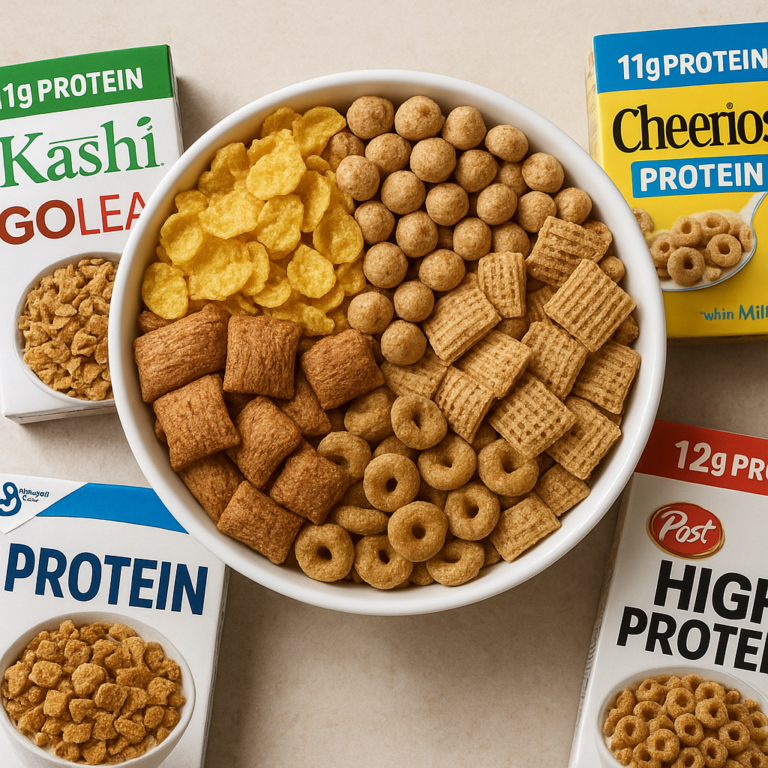
- Kashi GO Lean: Offering a blend of protein
and fiber with more complex flavors, Kashi GO Lean cereals are popular among health-conscious adults looking for a substantial and satisfying breakfast. - Bear Naked Granola: Known for its gourmet blends of whole grains, nuts, seeds, and dried
fruits, Bear Naked offers a more upscale granola experience. - Bob’s Red Mill Muesli: A European-inspired blend of rolled oats, nuts, seeds, and dried fruit, muesli offers a wholesome and customizable
breakfast for adults.
11. The Low-Sugar Legends: Best for Blood Sugar Control
Managing
sugar intake is a priority for many. These cereals are designed to be delicious without the excessive sweetness.
- Cheerios (Original): A classic for a reason, original Cheerios are made from whole grain oats and contain
very little sugar, making them an excellent base for a healthy breakfast. You can always add your own fruit for natural sweetness! - Post Shredded Wheat: Again, Shredded Wheat shines here with its 0g total sugars and **
0g added sugars** per serving. It’s a fantastic choice for those strictly monitoring their sugar intake. - Barbara’s Bakery Shredded Wheat: Similar to Post, Barbara’s offers
a simple, unsweetened shredded wheat option for a truly low-sugar start.
- The Cereal Bar Challengers: Best On-the-Go Snacks
When you’re rushing out the door, a cereal bar can be a lifesaver. These brands offer convenient, portable breakfast solutions.
Nature Valley Granola Bars: A ubiquitous choice, Nature Valley offers a wide array of granola bars, many of which mimic the flavors and textures of popular cereals, perfect for a quick bite.
- Magic Spoon Treats: Beyond
their cereals, Magic Spoon also offers “Treats (Cereal Bars)” which are marketed as “On The Go” options. These provide 1-12g of complete protein and 2-3g of
sugar per serving, making them a healthier alternative to many traditional snack bars. - 👉 Shop Magic Spoon Treats on:
- Magic Spoon Treats: Amazon | Magic Spoon Official Website
- Kellogg’s Nutri-Grain
Bars: Made with whole grains and real fruit filling, Nutri-Grain bars are a long-standing favorite for a slightly healthier, on-the-go option.
13. The International Imports: Best Global Flavors
Broaden your breakfast horizons with cereals popular in other parts of the world!
- Weetabix (UK):
A staple in British households, Weetabix are compressed whole-wheat biscuits often eaten with warm milk, offering a unique and comforting breakfast experience. - Muesli (Various European Brands): Popular across Europe, mues
li (a mix of rolled oats, nuts, seeds, and dried fruit) is a versatile and healthy option, often soaked overnight or eaten with yogurt. - Nestlé Milo Cereal (Australia/Asia): Inspired by the popular chocolate
malt drink, Milo cereal offers a rich, malty chocolate flavor that’s a favorite in many international markets.
- The Retro Revivals: Best Vintage Comebacks
Sometimes, you just crave the taste of your childhood. These brands bring back that nostalgic feeling.
- Quaker Cap’n Crunch’s Crunch Berries: The
addition of colorful “berries” to the original Cap’n Crunch adds a fruity twist that many remember fondly from their youth. - Post Golden Crisp: “Oh, you sweet talking honey of an oat!” Golden Crisp delivers a pure
, unadulterated honey-sweetened puffed wheat experience that’s a blast from the past. - General Mills Cookie Crisp: Who wouldn’t want to eat cookies for breakfast? Cookie Crisp perfectly captures the essence of chocolate chip cookies
in a cereal form, making it a beloved retro treat.
15. The Innovation Incubators: Best New
& Experimental Flavors
The cereal world isn’t just about classics; it’s also about pushing boundaries! These brands are known for their creative and sometimes daring new flavors.
- Limited Edition Cereals (Various Brands): Keep
an eye out for seasonal or limited-edition releases from major brands like General Mills and Kellogg’s. They often experiment with unique flavor combinations, from pumpkin spice to birthday cake. - Smaller, Artisanal Brands: Many smaller companies
are popping up, offering unique, handcrafted granolas and cereals with innovative ingredient combinations and gourmet flavors. - Magic Spoon (New Flavors): Magic Spoon frequently introduces new limited-edition flavors and products, like their Spring Granola
or various seasonal cereal flavors, keeping their offerings fresh and exciting for their loyal customer base.
🥣 The Great Milk Debate: Dairy, Almond, Oat, or Soy?
Ah, the eternal question: what liquid companion truly elevates your cereal experience? This isn’t just about personal preference; it’s about how different milks interact
with your chosen cereal, impacting flavor, texture, and nutritional profile.
🥛 Traditional Dairy Milk:
- Pros: The classic choice. Whole milk adds richness and creaminess, while skim milk keeps it lighter. It complements
most cereals without overpowering them and provides essential calcium and Vitamin D. - Cons: Not suitable for those with lactose intolerance or dairy allergies. Can add significant calories and fat depending on the type.
- Our Take: For a
truly nostalgic experience, especially with sugary cereals like Frosted Flakes, nothing beats cold dairy milk. It’s the benchmark for a reason.
🌰 Almond Milk:
-
Pros: A popular plant-based milk
alternative, almond milk is typically lower in calories and fat than dairy milk. It has a subtle, slightly nutty flavor that pairs well with many cereals, especially those with nutty or fruity notes. It’s also widely available unsweetened. -
Cons: Can be thin in consistency, which might lead to a less creamy mouthfeel. Some brands have added sugars, so always check the label.
-
Our Take: A fantastic choice for a lighter, dairy
-free option. It works particularly well with gluten-free cereals and those with a more natural flavor profile.
🌾 Oat Milk:
- Pros: The rising star of non-dairy milk! Oat milk offers a
creamy texture that’s closer to dairy milk than almond milk, making it a favorite for many. It has a naturally sweet, mild flavor that doesn’t compete with your cereal. Many brands are fortified with vitamins and minerals. - Cons
: Can be higher in carbohydrates than almond milk. Some brands use added sugars or oils. - Our Take: If you’re looking for a creamy, satisfying plant-based option that won’t water down your cereal experience
, oat milk is often the winner. It’s especially good with heartier, whole-grain cereals.
🌱 Soy Milk:
- Pros: One of the original plant-based milks, soy milk is a good source of
protein, often comparable to dairy milk. It has a richer consistency than almond milk and a distinct, slightly beany flavor that some love. - Cons: The flavor can be polarizing for some, and it’s an allergen for others
. - Our Take: A solid, protein-rich alternative, but its unique flavor profile means it pairs best with cereals that can stand up to it, or those where you enjoy the soy taste.
Ultimately, the best milk for
your cereal is the one you enjoy the most! Don’t be afraid to experiment and find your perfect pour.
🔍 Decoding the Label: How to Spot Hidden Sugars and Artificial Additives
Navigating the nutrition labels on cereal boxes can feel like deciphering an ancient scroll, but it’
s a crucial skill for making informed choices. As brand reviewers, we’ve seen it all, and we’re here to arm you with the knowledge to spot those sneaky ingredients.
Step 1: Start with the Serving Size
This is often overlooked but incredibly important. The nutritional information is based on this specific serving size, which might be smaller than what you typically pour into your bowl. Always adjust your mental math accordingly!
Step 2: Scrutinize the
Sugar Content
This is where most cereals can go awry.
- Total Sugars: This number includes naturally occurring sugars (like in fruit) and added sugars.
- Added Sugars: This is the critical
number to watch. The American Heart Association recommends no more than 25 grams (6 teaspoons) of added sugar per day for women and 36 grams (9 teaspoons) for men. Many cereals can
hit half of that in a single serving! - Hidden Sugar Names: Manufacturers are clever. Look for ingredients ending in “-ose” (dextrose, fructose, glucose, maltose, sucrose), syrups (corn syrup, high-fructose corn syrup, rice syrup, malt syrup), and other terms like cane juice, molasses, and fruit juice concentrate. If these are high up on the ingredient list, you know sugar is a primary component.
Step 3:
Prioritize Whole Grains
Look for “whole grain” as the first ingredient. This indicates that the cereal is made with the entire grain kernel, retaining more fiber, vitamins, and minerals. Phrases like “enriched flour” or “wheat
flour” (without “whole”) mean refined grains, which have had much of their nutritional value stripped away.
Step 4: Check the Fiber and Protein
- Fiber: Aim for cereals with at least 3-5 grams
of fiber per serving. Fiber helps with satiety and digestive health. - Protein: A higher protein content (like the 12-14g found in Magic Spoon cereals) will help keep you feeling full and
energized longer, preventing that mid-morning crash.
Step 5: Beware of Artificial Additives
- Artificial Colors: Often listed as “Red 40,” “Yellow 5,” “Blue 1,”
etc. These are linked to hyperactivity in some children. - Artificial Flavors: A generic term that can hide a multitude of chemicals.
- Preservatives: While some are necessary,
others like BHT (butylated hydroxytoluene), which is found in Shredded Wheat to preserve freshness, can be controversial. While approved by the FDA, some consumers prefer to avoid it. - Hydrogenated Oils: These are sources of trans fats, which are detrimental to heart health.
Our Expert Advice: The shorter the ingredient list, the generally better. Opt for cereals with whole grains as the first ingredient,
low added sugars, and a good amount of fiber and protein. Don’t be fooled by front-of-pack claims; always turn the box around and read the full nutrition label!
🥗 Beyond the Bowl: Creative Ways to Eat Cereal Brands
Think cereal is just for breakfast with milk? Think again! Our team loves to experiment, and we’ve
discovered a universe of possibilities for your favorite crunchy flakes and puffs. Get ready to elevate your culinary game!
1. The Ultimate Snack Mix:
Forget boring pretzels! Cereal makes an incredible base for a sweet or savory snack mix.
- Savory Crunch: Combine Chex cereals (Rice, Corn, Wheat), pretzels, mixed nuts, and a blend of melted butter, Worcestershire sauce, garlic powder, and onion powder. Bake until crispy. Perfect for game
nights! - Sweet & Salty: Mix Cheerios, mini pretzels, chocolate chips, and a drizzle of melted peanut butter and honey. A quick, satisfying treat.
2. Dessert Dynamo:
Cereal adds
amazing texture and flavor to desserts.
- Cereal Bars (No-Bake): Melt butter and marshmallows, then stir in your favorite cereal (Lucky Charms, Fruity Pebbles, Rice Krispies are classics!).
Press into a pan, cool, and cut. - Ice Cream Topping: Crushed Cinnamon Toast Crunch or Frosted Flakes over vanilla ice cream? Pure genius!
- Pie Crust: Crush up some Graham
Cracker-style cereals (like Golden Grahams) and mix with melted butter for a unique pie crust. - Cookie Enhancer: Add crushed Corn Flakes or Special K to your cookie dough for an unexpected crunch.
**
3. Baking Brilliance:**
Integrate cereal directly into your baking for added texture and flavor.
- Muffin Topping: Sprinkle crushed Grape-Nuts or granola over muffins before baking for a wholesome crunch.
Bread Crumbs Alternative: Crushed corn flakes or plain Cheerios can be a fantastic, often gluten-free, alternative to bread crumbs for coating chicken, fish, or making meatloaf.
- Breakfast Parfaits: Layer
yogurt, fresh fruit, and your favorite granola or high-fiber cereal (like Shredded Wheat, crumbled!) for a quick and healthy grab-and-go meal.
4. Unexpected Savory Dishes:
Yes, really! Cereal can
add a surprising element to savory meals.
- Crispy Chicken Coating: Use finely crushed Corn Flakes or even plain Cheerios mixed with spices as a coating for baked or air-fried chicken tenders.
- Meat
ball Binder: In a pinch, crushed plain cereal can act as a binder in meatballs or meatloaves, similar to breadcrumbs.
Don’t let your cereal languish only in the breakfast aisle. Unleash its full potential and get
creative in the kitchen!
🛒 Where to Buy: Online vs. In-Store Shopping Guide
When it comes to stocking
up on your favorite cereal brands, you’ve got options! Both online and in-store shopping offer distinct advantages, and understanding them can help you get the best deals and selection.
In-Store Shopping: The Traditional Cereal Hunt
🛍️
Pros:
- Instant Gratification: You see it, you buy it, you eat it. No waiting for shipping!
- Physical Inspection: You can check expiration dates, inspect the box for damage, and
compare sizes directly. - Impulse Buys & Sales: Often, you’ll stumble upon unadvertised sales or clearance items.
- Sensory Experience: The smell of freshly baked goods (though not cereal, usually!) and the vibrant displays can be part of the fun.
Cons:
- Limited Selection: Smaller stores might not carry specialty or niche brands.
- Crowds & Convenience: Dealing with crowded aisles, long
checkout lines, and the hassle of transportation. - Heavy Lifting: Carrying multiple boxes of cereal (and milk!) can be cumbersome.
Our Tips for In-Store:
- Check Weekly Ads: Always look at your local
grocery store’s flyers for sales before you go. - Unit Pricing: Compare the price per ounce/gram to truly understand which size is the best value.
- Explore Different Stores: Don’t be afraid to visit
discount grocers or bulk stores for better deals on staple brands.
Online Shopping: The Digital Cereal Aisle 🌐
Pros:
- Vast Selection: Online retailers, especially Amazon, offer an unparalleled variety,
including international imports and hard-to-find specialty brands. This is especially true for niche products like keto-friendly cereals or organic breakfast cereals. - Convenience: Shop from the comfort of your couch,
24/7. Your order arrives right at your doorstep. - Price Comparison: It’s easier to compare prices across multiple retailers with a few clicks.
- Subscription Options: Many brands and retailers offer subscription services,
saving you money and ensuring you never run out. Magic Spoon, for example, offers free bowl sets for new subscribers and bundle deals.
Cons:
- Shipping Costs/Minimums: You
might need to hit a certain order total for free shipping, or pay extra. - Waiting Time: Unless you opt for expedited shipping, you’ll have to wait a few days for your cereal fix.
- No Physical Inspection
: You can’t check the box or expiration date before it arrives.
Our Tips for Online:
- Look for Bundles: Many online brands, especially specialty ones like Magic Spoon, offer variety packs or “build your own bundle
” options that can provide better value. - Read Reviews: Before committing to a new brand, check out customer reviews for insights on taste, texture, and packaging.
- Set Up Sub
scriptions: If you find a brand you love, a subscription can save you money and the hassle of reordering.
👉 Shop Your Favorite Cereal Brands:
- General Mills Cereals: Amazon | Walmart | Target
- Kellogg’s Cereals: Amazon | Walmart | Target
- Post Consumer Brands Cereals: Amazon | Walmart | Target
- Magic Spoon Cereals: Amazon | Magic Spoon Official Website
- Catalina Crunch Cereals
: Amazon | Catalina Crunch Official Website
Whether you prefer the tangible experience of a grocery store or the endless aisles of the internet, there’s a perfect way to get your cereal fix. Happy shopping!
❓ Frequently Asked Questions About Cereal Brands
Got more questions about cereal? We’ve got answers! Our team at Popular Brands™ has compiled some of the most common queries to help you become
a true cereal expert.
Q: Are “natural flavors” truly natural?
A: This is a tricky one! The FDA defines natural flavors as derived from a natural source (like a fruit, vegetable, or spice)
but can still undergo significant processing. They are generally considered safer than artificial flavors, but if you’re looking for truly whole, unprocessed ingredients, it’s always best to see the actual fruit or spice
listed.
Q: How long does cereal stay fresh after opening?
A: Most cereals, if stored properly in an airtight container in a cool, dry place, will stay fresh for about 2-3 months after opening. While
they won’t necessarily “go bad” in a way that makes you sick, they can lose their crunch and flavor over time. ❌ Nobody likes stale cereal!
Q: What’s the deal with fortified cereals? Are
they actually healthier?
A: Many cereals are fortified with vitamins and minerals like iron, B vitamins, and Vitamin D. This can be beneficial, especially for individuals who might not get enough of these nutrients from other sources. However,
fortification doesn’t negate high sugar content. It’s about balancing the benefits of added nutrients with overall nutritional profile. Think of it as a bonus, not a free pass for a sugar bomb.
Q: Can I eat cereal if
I’m trying to lose weight?
A: Absolutely! The key is choosing the right cereal. Opt for high-fiber, high-protein, and low-sugar options. Cereals like **Post Shredded Wheat
** or Magic Spoon can be excellent choices as part of a balanced diet, helping you feel full and satisfied. Portion control is also crucial – remember that serving size!
**Q: Why do some cereals get soggy so quickly?
**
A: It’s all about density and surface area! Cereals with a larger surface area and a more porous structure (like corn flakes) tend to absorb milk faster and get soggy quicker. Denser, more compact cereals (like Grape-Nuts or some granolas) hold their crunch longer. It’s a science experiment in every bowl!
Q: Is it okay to eat cereal for dinner?
A: We say, why not?! While traditionally
a breakfast food, there’s no rule against enjoying cereal for dinner, especially if you’re short on time or craving something light. Just ensure it’s part of a balanced intake throughout your day. Some even argue it’s a
great way to use up leftover milk!
Q: What’s the difference between granola and muesli?
A: Both are oat-based, but with key differences. Granola is typically baked with sweeteners
(like honey or maple syrup) and oil, often resulting in clusters and a crunchier texture. Muesli is usually raw, a loose mix of rolled oats, nuts, seeds, and dried fruit, and is often soaked
overnight or cooked. Both are delicious, just different experiences!
🔗 Recommended Links for Cereal Enthusiasts
For those who simply can’t get
enough cereal knowledge, here are some hand-picked links to further your exploration.
- The Cereal Killer Cafe: https://www.cerealkillercafe.co.uk/ – A fun, quirky cafe dedicated entirely to cereal, offering a nostalgic experience and a huge selection of international cereals.
- Serious Eats – The Science of Cereal: https://www.seriouseats.com/the-science-of-cereal-why-it-gets-soggy – Dive deeper into the physics and chemistry behind your breakfast bowl.
- The Daily Meal – The History of Breakfast Cereal: https://www.thedailymeal.com/eat/most-popular-breakfast-cereals-through-decades-slideshow/ – A visual and informative journey through cereal’s past.
Popular Brands™ – Top 20 Best Selling Cereal Brands in the US (2025):** https://www.popularbrands.org/best-selling-cereal-brands/ – Our very own deep dive into the market’s best-sellers.
- Popular Brands™ – Best Audio Equipment for Your Kitchen: https://www.popularbrands.org/category/audio-equipment/ – Because what’s better than enjoying your cereal with your favorite tunes?
- Popular Brands™ – Top
Backpacks for On-the-Go Snacking: https://www.popularbrands.org/category/backpacks/ – Perfect for packing those cereal bars!
📚 Reference Links and Sources
-
https://www.history.com/articles/cereal-breakfast-origins-kellogg
-
#featured-video (Referring to the first YouTube video mentioned in the prompt)
-
https://www.heart.org/en/healthy-living/healthy-eating/eat-smart/sugar/added-sugar
-
https://www.fda.gov/food/food-ingredients-packaging/food-additives-petitions
-
https://www.ncbi.nlm.nih.gov/pmc/articles/PMC8900085/
11
. https://www.fda.gov/food/food-ingredients-packaging/food-additives-petitions
🏁 Conclusion: Finding Your Perfect Morning Match

So, we’ve journeyed from the dusty mills of Battle Creek to the high-tech kitchens of modern keto innovators. We’ve tasted the crunch of Grape-Nuts, the sugary magic of Lucky Charms, and the protein-packed promise of Magic Spoon. But here’s the million-dollar question we left hanging earlier: Is there truly a “best” cereal for everyone?
The answer, as you might have guessed, is a resounding no. The “best” cereal is entirely dependent on your goals, your taste buds, and your lifestyle.
If you are a texture purist who demands a crunch that defies gravity, Grape-Nuts or Cap’n Crunch remain undefeated champions. If you are a nostalgia seeker looking to recapture the magic of childhood, Frosted Flakes or Lucky Charms are your golden tickets. However, if you are a health-conscious adult or a fitness enthusiast trying to balance a high-protein diet with a sweet tooth, the narrative shifts dramatically.
Our Top Recommendation:
For those seeking a modern solution that bridges the gap between childhood joy and adult nutritional needs, Magic Spoon stands out as the clear winner in the innovation category.
- ✅ Positives: Delivers 12-14g of complete protein, 0g added sugar, and a taste profile that rivals traditional sugary cereals without the crash. It’s keto-friendly, grain-free, and comes in a variety of exciting flavors.
- ❌ Negatives: It comes at a premium price point compared to standard boxed cereals, and the texture, while impressive, is distinct from the traditional corn-flake or wheat-flake experience.
- The Verdict: If you can justify the cost for the nutritional payoff and the satisfaction of a sweet breakfast without the guilt, Magic Spoon is our top pick for 2025. It successfully answers the question: “Can I have my cake (or cereal) and eat it too?”
But don’t stop there! Whether you choose the fiber-rich simplicity of Post Shredded Wheat, the budget-friendly bulk of Malt-O-Meal, or the artisanal crunch of a local granola, the most important thing is to enjoy your morning ritual. Remember, the “milk first or cereal first” debate is still yours to settle, and the “sogy vs. crunchy” preference is entirely personal.
Your perfect bowl is waiting. Now, go forth and pour with confidence!
🔗 Recommended Links for Cereal Enthusiasts
Ready to stock your pantry or dive deeper into the world of breakfast? Here are our curated shopping links and resources to get you started.
🛒 Shop Your Favorite Cereal Brands
- Magic Spoon Cereal (High Protein, Keto-Friendly):
👉 Shop on Amazon: Magic Spoon Cereal Variety Pack
👉 Shop on Walmart: Magic Spoon Cereal
Official Brand Site: Magic Spoon Official Website - Post Shredded Wheat (Whole Grain, 0g Sugar):
👉 Shop on Amazon: Post Shredded Wheat Spoon Size
👉 Shop on Walmart: Post Shredded Wheat
Official Brand Site: Post Consumer Brands – Shredded Wheat - Catalina Crunch (Keto & High Protein):
👉 Shop on Amazon: Catalina Crunch Cereal
Official Brand Site: Catalina Crunch Official Website - General Mills Cheerios (Gluten-Free & Classic):
👉 Shop on Amazon: General Mills Cheerios
Official Brand Site: Cherios Official Website - Kelogg’s Frosted Flakes (Classic Sweet):
👉 Shop on Amazon: Kelogg’s Frosted Flakes
Official Brand Site: Kelogg’s Official Website
📚 Books & Further Reading
- “The Cereal Box: A History of the American Breakfast” by Michael Pollan (and related food history books): Explore the cultural impact of breakfast foods. Find on Amazon
- “Keto Cereal: The Ultimate Guide to Low-Carb Breakfasts” (Various Authors): Dive deep into low-carb breakfast strategies. Find on Amazon
🌐 Related Popular Brands™ Articles
- Top 20 Best Selling Cereal Brands in the US (2025) – Our comprehensive ranking of the market leaders.
- Best Audio Equipment for Your Kitchen – Because breakfast tastes better with great music.
- Top Backpacks for On-the-Go Snacking – Perfect for carrying your cereal bars to work or school.
❓ Frequently Asked Questions About Cereal Brands
We’ve covered a lot of ground, but we know you might still have some lingering questions. Let’s tackle the most common queries with the depth they deserve.
What are the most popular cereal brands for breakfast in 2024?
While trends shift, the giants remain dominant. General Mills (Cherios, Lucky Charms, Cinnamon Toast Crunch) and Kelogg’s (Frosted Flakes, Special K, Raisin Bran) continue to hold massive market share. However, Post Consumer Brands (Shredded Wheat, Pebles) and the rising star Magic Spoon are gaining significant traction as consumers seek healthier, high-protein alternatives. The “best” brand often depends on whether you prioritize nostalgia, health, or price.
How do cereal brand prices vary across different markets?
Prices fluctuate based on several factors:
- Brand Tier: Premium brands like Magic Spoon or Catalina Crunch often cost $6-$8 per box, whereas traditional brands like Kelogg’s or Post typically range from $3-$5.
- Retailer: Warehouse clubs (Costco, Sam’s Club) often offer the best value for bulk purchases, while convenience stores charge a premium.
- Organic/Gluten-Free Status: Cereals certified organic or gluten-free generally carry a 20-40% price premium due to stricter sourcing and production standards.
- Sales Cycles: Cereal is a highly promotional category; prices can drop by 30-50% during major sales events like “Back to School” or holiday weekends.
What are the best cereal brands for kids?
Kids are drawn to color, sugar, and fun shapes. The top contenders include:
- Lucky Charms (General Mills): The marshmallow-to-oat ratio is legendary.
- Fruit Lops (Kelogg’s): A vibrant, fruity classic.
- Rese’s Puffs (General Mills): Combines peanut butter and chocolate flavors.
- Cinnamon Toast Crunch (General Mills): The cinnamon-sugar coating is a major hit.
- Tip for Parents: If you want to balance fun with nutrition, try mixing a sugary cereal with a high-fiber option like Shredded Wheat or Cherios to dilute the sugar content while keeping the fun elements.
How do popular cereal brands compare in taste and nutrition?
There is often an inverse relationship between sugar content and nutritional density.
- High Sugar/Low Fiber: Brands like Froot Lops or Cap’n Crunch offer intense flavor and crunch but provide minimal fiber and protein, often leading to a blood sugar spike and crash.
- Low Sugar/High Fiber: Brands like Post Shredded Wheat or Kashi offer excellent fiber and protein but can lack the intense sweetness and “fun” factor of their sugary counterparts.
- The Middle Ground: Brands like Magic Spoon or Special K attempt to bridge this gap, offering better nutritional profiles (high protein, low sugar) while maintaining a palatable taste, though often at a higher price point.
Which cereal brands are the healthiest options?
“Healthy” is subjective, but generally, the healthiest options share these traits: Whole grains as the first ingredient, high fiber (>5g), high protein (>5g), and low added sugar (<5g).
- Top Picks: Post Shredded Wheat (0g sugar, 8g fiber), Magic Spoon (14g protein, 0g sugar), Kashi GO Lean (12g protein, 5g fiber), and Cherios (Whole grain oats, low sugar).
- Avoid: Cereals where sugar, corn syrup, or fruit juice concentrate are the first few ingredients.
Which cereal brands offer the most variety in terms of flavors and ingredients?
General Mills and Kelogg’s are the kings of variety, constantly releasing limited-edition flavors (e.g., Pumpkin Spice Cheerios, Birthday Cake Cap’n Crunch). However, Magic Spoon has revolutionized variety in the health sector, offering flavors like Fruity, Cocoa, Peanut Butter, and Banana Bread, proving that healthy doesn’t have to be boring. Nature’s Path and Cascadian Farm also offer a wide range of organic flavors.
What are some gluten-free cereal brands for people with gluten intolerance?
For those with Celiac disease or gluten sensitivity, cross-contamination is a real concern. The safest bets are brands with Certified Gluten-Free labels:
- Cherios (Original, Honey Nut, Multi-Grain): General Mills has a rigorous sorting process.
- Rice Chex: Naturally gluten-free and widely available.
- Magic Spoon: Grain-free and naturally gluten-free.
- Catalina Crunch: Gluten-free and grain-free.
- Nature’s Path: Many of their organic lines are certified gluten-free.
- Note: Always check the label, as formulations can change.
How do I choose the best cereal brand for my dietary needs?
Start by identifying your primary goal:
- Weight Loss: Look for High Protein and High Fiber (e.g., Magic Spoon, Kashi) to increase satiety.
- Diabetes/Blood Sugar Control: Prioritize Low Glycemic Index and 0g Added Sugar (e.g., Shredded Wheat, Magic Spoon).
- Muscle Building: Focus on Protein content (aim for 10g+ per serving).
- Digestive Health: Seek High Fiber (aim for 5g+ per serving).
- Allergies: Strictly adhere to Certified Gluten-Free, Vegan, or Nut-Free labels.
- Pro Tip: Read the ingredient list, not just the front-of-pack claims.
What are the most popular cereal brands in the United States?
Based on sales volume, the top brands consistently include Cherios, Frosted Flakes, Cinnamon Toast Crunch, Lucky Charms, and Special K. These brands have maintained their dominance through decades of marketing and consistent flavor profiles that appeal to the mass market.
Are there any organic cereal brands available in the market?
Absolutely! The organic market has exploded.
- Cascadian Farm: A pioneer in organic cereals.
- Nature’s Path: Offers a vast array of organic, non-GMO options.
- Barbara’s Bakery: Known for organic Honest O’s and Puffins.
- Kashi: Many of their products are organic.
- 365 (Whole Foods Market): Their store brand offers affordable organic options.
What are some popular cereal brands for kids?
(See “Best cereal brands for kids” above). The key is balancing the “fun” factor with nutritional value. Parents are increasingly turning to brands like Magic Spoon or Cascadian Farm to provide a healthier alternative to traditional sugary cereals without sacrificing the excitement of breakfast.
Which cereal brand is the healthiest option for breakfast?
If we had to pick a single “healthiest” based on the balance of macronutrients, fiber, sugar, and ingredient quality, Post Shredded Wheat is a strong contender for its simplicity and lack of additives. However, for those needing protein, Magic Spoon takes the crown. The “healthiest” is ultimately the one that fits your specific nutritional needs and keeps you full until lunch.
What are the top cereal brands in the world?
While the US market is dominated by Kelogg’s and General Mills, the global landscape is diverse:
- Europe: Wetabix (UK) is a staple. Alpen and Muesli brands are popular across the continent.
- Asia: Nestlé (Milo Cereal) is a massive player.
- Global Giants: Kelogg’s, General Mills, Post, and Nestlé operate in almost every country, adapting flavors to local tastes.
📚 Reference Links and Sources
To ensure the accuracy of our insights, we’ve consulted the following reputable sources and brand resources:
- American Heart Association: Added Sugar Recommendations
- FDA: Food Additives & Color Additives
- History.com: The History of Breakfast Cereal
- Post Consumer Brands: Shredded Wheat Product Page
- Magic Spoon: Magic Spoon Official Website – High Protein, Keto-Friendly Cereal
- General Mills: Cherios Official Site
- Kelogg’s: Kelogg’s Official Site
- Catalina Crunch: Catalina Crunch Official Site
- National Center for Complementary and Integrative Health (NCCIH): Dietary Supplements and Ingredients
- Serious Eats: The Science of Cereal: Why It Gets Sogy