Support our educational content for free when you purchase through links on our site. Learn more
15 Popular Breakfast Cereal Brands in 2024 🥣

What are the most popular cereal brands for breakfast in 2024? Cheerios led one Amazon shopping-demand ranking, while Fruity PEBLES was Post Consumer Brands’ top-selling cereal within its own portfolio. Other familiar favorites—from Honey Bunches of Oats and Frosted Flakes to Cinnamon Toast Crunch and Lucky Charms—show why there isn’t one universal cereal champion.
Those rankings measure different things: online shopping interest, company-reported sales, and taste-test favorites don’t share a single scoreboard. Think of the cereal aisle as a breakfast buffet: the most searched bowl might not be the one your household reaches for first.
Key Takeaways
- Cherios topped a 2024 Amazon-demand ranking, but that does not represent total U.S. cereal sales.
- Fruity PEBLES was Post Consumer Brands’ top-selling cereal in the company’s 2024 highlights.
- Froot Lops topped one reviewer’s taste test, showing that popularity can mean sales, shopping interest, or flavor preference.
- Compare cereal labels by serving size, added sugar, fiber, protein, and ingredients. Recipes vary, even within the same brand.
- Best everyday pick: Original Cheerios for a mild, versatile bowl; try Honey Bunches of Oats for extra crunch or a sweeter favorite such as Cinnamon Toast Crunch for a treat.
- 👉 Shop popular cereal brands: Cherios on Amazon | Honey Bunches of Oats on Amazon | Frosted Flakes on Amazon | Fruity PEBLES on Amazon | Cinnamon Toast Crunch on Amazon
Table of Contents
- ⚡️ Quick Tips and Facts
- 🥣 How We Chose the Most Popular Cereal Brands
- What “popular” means: sales, household favorites, and availability
- How to read nutrition labels and serving sizes
- 📜 A Brief History of Breakfast Cereal in America
- From cornflakes to colorful, convenient cereal
- How breakfast habits shaped today’s cereal aisle
- 🏆 The 15 Most Popular Cereal Brands for Breakfast in 2024
- 1. Cheerios
- 2. Honey Nut Cheerios
- 3. Frosted Flakes
- 4. Cinnamon Toast Crunch
- 5. Lucky Charms
- 6. Froot Lops
- 7. Honey Bunches of Oats
- 8. Raisin Bran
- 9. Special K
- 10. Life
- 11. Rice Krispies
- 12. Frosted Mini-Wheats
- 13. Cap’n Crunch
- 14. Kix
- 15. Grape-Nuts
- ⭐ The Classic Cereal That Keeps Its Place at the Top
- 📊 Comparing Popular Cereals: Flavor, Nutrition, and Best Uses
- Best cereals for kids and family breakfasts
- Best high-fiber and whole-grain cereal choices
- Best lower-sugar and lighter breakfast cereals
- Best gluten-free cereal brands and options
- Best cereals for snacking and recipes
- 🥛 Choosing a Cereal for Your Taste, Diet, and Routine
- How to compare sugar, fiber, protein, and whole grains
- Common allergens and dietary considerations
- Serving sizes, milk pairings, and filling breakfast ideas
- 🛒 Where to Buy Popular Breakfast Cereal Brands
- Grocery stores, warehouse clubs, and online retailers
- Store brands versus national cereal brands
- 💸 Why Cereal Costs Can Change
- Factors that affect cereal prices and package sizes
- Practical ways to save on cereal shopping
- ✅ Our Recommended Breakfast Cereals by Category
- Conclusion
- Recommended Links
- FAQ
- What is the most popular cereal brand in America?
- What are the most popular cereals for kids?
- Which popular cereals are high in fiber?
- Which breakfast cereals have less sugar?
- Are popular cereal brands suitable for gluten-free diets?
- How should you store cereal to keep it fresh?
- Reference Links
Table of Contents
- ⚡️ Quick Tips and Facts
- 🥣 How We Chose the Most Popular Cereal Brands
- What “popular” means: sales, household favorites, and availability
- How to read nutrition labels and serving sizes
- 📜 A Brief History of Breakfast Cereal in America
- From cornflakes to colorful, convenient cereal
- How breakfast habits shaped today’s cereal aisle
- 🏆 The 15 Most Popular Cereal Brands for Breakfast in 2024
- 1. Cheerios
- 2. Honey Nut Cheerios
- 3. Frosted Flakes
- 4. Cinnamon Toast Crunch
- 5. Lucky Charms
- 6. Froot Lops
- 7. Honey Bunches of Oats
- 8. Raisin Bran
- 9. Special K
- 10. Life
- 11. Rice Krispies
- 12. Frosted Mini-Wheats
- 13. Cap’n Crunch
- 14. Kix
- 15. Grape-Nuts
- ⭐ The Classic Cereal That Keeps Its Place at the Top
- 📊 Comparing Popular Cereals: Flavor, Nutrition, and Best Uses
- Best cereals for kids and family breakfasts
- Best high-fiber and whole-grain cereal choices
- Best lower-sugar and lighter breakfast cereals
- Best gluten-free cereal brands and options
- Best cereals for snacking and recipes
- 🥛 Choosing a Cereal for Your Taste, Diet, and Routine
- How to compare sugar, fiber, protein, and whole grains
- Common allergens and dietary considerations
- Serving sizes, milk pairings, and filling breakfast ideas
- 🛒 Where to Buy Popular Breakfast Cereal Brands
- Grocery stores, warehouse clubs, and online retailers
- Store brands versus national cereal brands
- 💸 Why Cereal Costs Can Change
- Factors that affect cereal prices and package sizes
- Practical ways to save on cereal shopping
- ✅ Our Recommended Breakfast Cereals by Category
- Conclusion
- Recommended Links
- FAQ
- What are the most popular cereal brands in 2024?
- Which cereal brands are best for breakfast?
- What is the best-selling cereal brand in the United States?
- Which cereal brands are healthiest for breakfast?
- What are the most popular kids’ cereal brands in 2024?
- Which cereal brands are highest in protein?
- What are the most popular organic cereal brands?
- Reference Links
⚡️ Quick Tips and Facts
If you’re browsing our wider guide to cereal brands, here’s the breakfast-aisle shortcut: “most popular” depends on what you measure. Search interest, a company’s own sales, grocery-store sales, and a taste-test ranking can all produce different winners.
| Quick question | Useful answer |
|---|---|
| Which cereal led one 2024 online-demand ranking? | Cherios ranked first in a ranking based on Amazon shopping demand, not verified nationwide sales. |
| Which cereal was Post Consumer Brands’ 2024 top seller? | Fruity PEBLES, according to the company’s own U.S. brand ranking. |
| Which cereals are often chosen for a less-sweet bowl? | Original Cheerios, Rice Krispies, and Grape-Nuts are comparatively restrained options; check the current Nutrition Facts label for exact amounts. |
| Which cereals are known for more fiber? | Bran cereals such as Raisin Bran and whole-grain options such as Frosted Mini-Wheats can contribute fiber. Recipes and serving sizes vary. |
| Is a “healthy” cereal automatically the best breakfast? | No single box wins for everyone. Consider fiber, added sugar, protein, serving size, allergies, and what you eat alongside it. |
| What should you do before buying? | Compare the nutrition label per serving, then check how much you actually pour. A cereal serving can look surprisingly small in a large bowl. |
Our quick recommendation: For a family-friendly everyday option, start with Cheerios or Honey Bunches of Oats and compare labels. For a sweet treat or nostalgic bowl, Froot Lops, Lucky Charms, and Cinnamon Toast Crunch are crowd-pleasers—but they’re not interchangeable with less-sweet breakfast choices.
One wrinkle matters: the online ranking below and Post’s top-seller list don’t measure the same thing. We’ll separate those scoreboards rather than pretend they’re one universal cereal championship. 🥣
🥣 How We Chose the Most Popular Cereal Brands
There is no single public scoreboard that captures every cereal purchase, preference, and bowl of cereal eaten in America. We considered brand recognition, availability, consumer interest, familiar household favorites, and the sources’ stated ranking methods.
This is an editorial guide, not a claim that all 15 brands appear in one definitive national sales ranking. The list combines recognizable U.S. breakfast cereals with brands represented in the supplied 2024 demand, taste-test, and company-reported data.
What “popular” means: sales, household favorites, and availability
The word popular can mean at least three different things:
| Popularity measure | What it tells you | What it doesn’t tell you |
|---|---|---|
| Online shopping demand | How much shoppers search or browse for a product on a platform | Whether those searches became purchases—or reflect all U.S. shoppers |
| Brand-reported best sellers | Which products a company says sell best within its own portfolio | How that company’s products compare with all competitors |
| Independent taste test | What a reviewer liked after assessing flavor, texture, ingredients, or other criteria | What most people buy or prefer |
| Retail sales data | Purchases recorded across a defined set of stores and dates | Preferences outside the measured retailers or period |
For example, The Takeout’s 2024 ranking drew on Amazon demand analysis by Pattern. It described consumer demand as shopping activity, not a count of nationwide purchases. Cheerios came first, with Amazon searches reported at 2.6 times those for runner-up Cream of Wheat. That’s a strong signal of interest on Amazon, but it is not the same as proof that Cheerios sold 2.6 times as much cereal everywhere.
Meanwhile, Post Consumer Brands’ 2024 highlights identify Fruity PEBLES as the company’s top-selling cereal for a second consecutive year. That’s useful company-specific information—not a cross-brand national sales audit.
And a taste test? It answers a different question entirely: which bowl did that reviewer enjoy most? In The Daily Meal’s ranking, Froot Lops topped a subjective tasting, despite Cheerios leading the Amazon-demand ranking. No contradiction: one measures a reviewer’s palate; the other measures activity on an online marketplace.
How to read nutrition labels and serving sizes
Nutrition figures in this article are examples from the cited taste-test coverage or product-label conventions, not a substitute for the box in your pantry. Formulas and package labels can change. A serving of one cereal might be measured by cups, another by pieces or grams.
Use this simple comparison:
- Find serving size. Compare similar gram weights where possible; cup measures can be misleading because flakes, puffs, and clusters pack differently.
- Check added sugar and fiber. The FDA Nutrition Facts label guide explains how to read these figures and use the label.
- Look at protein and sodium. They may matter depending on your breakfast goals and dietary needs.
- Check the ingredient list. Whole grains, nuts, fruit, and sweeteners appear in different places and forms.
- Measure your real bowl once. Pour your usual portion into a measuring cup or weigh it. Your generous “one serving” may have quietly invited a second serving to the party.
For broader dietary guidance, see the Dietary Guidelines for Americans.
📜 A Brief History of Breakfast Cereal in America

Breakfast cereal grew from a practical idea: make grains easy to prepare and serve. Over time, the category expanded from plain flakes and hot cereals into toasted squares, bran flakes, oat rings, crunchy clusters, colorful puffs, and marshmallow-studded family favorites.
The result is a grocery aisle where nutrition, convenience, nostalgia, and marketing all compete for the same cart space.
From cornflakes to colorful, convenient cereal
Kellogg’s Corn Flakes and other early flaked cereals helped establish ready-to-eat cereal as a convenient breakfast. Later decades brought innovations in puffing, frosting, shaping, and flavoring grain. Brands such as Cheerios built an identity around oat-based rings, while Frosted Flakes and Froot Lops made bold flavor and memorable mascots part of the experience.
Cereal’s story is also a story about marketing. The Smithsonian National Museum of American History documents the role food, packaging, and advertising have played in American life. For a quick, playful tour of brand origins, mascots, and sensory appeal, see the article’s featured video: it spotlights classics including Cinnamon Toast Crunch, Lucky Charms, Cap’n Crunch, Honey Bunches of Oats, and Cheerios. Its line about cereal being “tasty, sweet and oh-so-crunchy” is enthusiastic, if not exactly a nutrition label.
How breakfast habits shaped today’s cereal aisle
Cereal works for different routines:
- Fast weekday breakfast: pour, add milk, done.
- Family pantry staple: familiar flavors are easy to serve to a crowd.
- Quick snack: dry cereal travels better than a bowl with milk.
- Recipe ingredient: rice cereal, flakes, and sweetened puffs can become bars, crusts, and crunchy toppings.
- Flexible base: fruit, nuts, seeds, or yogurt can turn a simple bowl into a more filling meal.
That range helps explain why the aisle contains both relatively plain cereals and dessert-leaning favorites. The cereal that wins a taste test may not be your best everyday choice—and the cereal that works beautifully in a recipe might dissolve before your coffee cools.
🏆 The 15 Most Popular Cereal Brands for Breakfast in 2024
There’s no single authoritative top-15 ranking that measures all U.S. sales. The brands below are well-known breakfast cereals with support from 2024 shopping-demand coverage, company-reported best sellers, or established national recognition. We label the evidence instead of dressing an editorial selection up as a precise national sales chart.
| Brand or cereal | What it’s known for | Why shoppers may choose it | Keep in mind |
|---|---|---|---|
| Cheerios | Oat rings | Familiar flavor and versatile use | Compare varieties; flavored versions differ from original |
| Honey Nut Cheerios | Honey-and-almond-style flavor | Sweter twist on a classic | Check sugar and allergen information |
| Frosted Flakes | Sweetened corn flakes | Crunch, sweetness, Tony the Tiger | More of a sweet cereal choice |
| Cinnamon Toast Crunch | Cinnamon-sugar squares | Strong flavor and crunch | Sweetness may not suit every breakfast |
| Lucky Charms | Cereal pieces and marshmallows | Playful texture and recognizable marshmallows | Treat-like sweetness |
| Froot Lops | Fruity, colorful rings | Bright flavor and nostalgia | Not the same nutritional profile as plain cereal |
| Honey Bunches of Oats | Flakes, oat clusters, and varieties | Mix of textures | Different varieties have different ingredients |
| Raisin Bran | Bran flakes and raisins | Bran-and-fruit combination | Raisins contribute naturally occurring sugar |
| Special K | Flake-based cereals and variations | Light, crisp texture | Varieties can differ substantially |
| Life | Square-shaped cereal | Mild, lightly sweet taste | Check the label for the specific variety |
| Rice Krispies | Crisped rice | Simple flavor and recipe versatility | Can soften quickly in milk |
| Frosted Mini-Wheats | Frosted shredded wheat | Crisp wheat texture with sweet coating | Portion size and sugar still matter |
| Cap’n Crunch | Sweet, crunchy pieces | Strong flavor and playful branding | Can be a high-sweetness pick |
| Kix | Corn puffs | Mild, airy crunch | Check current label for nutrition details |
| Grape-Nuts | Dense, crunchy wheat-and-barley cereal | Distinctive texture and hearty character | Very crunchy; not everyone’s first-bowl pick |
1. Cheerios
Cherios is the clearest “popular” pick in the Amazon-demand comparison: The Takeout’s report, based on Pattern data, placed it first and reported a notable lead over the runner-up. That ranking speaks to online shopping interest, not every grocery sale in America.
Original Cheerios is built around a mild oat-ring format that works with milk, yogurt, or fruit. It also has a practical advantage: it can suit eaters who find heavily flavored cereal too sweet. Still, “Cherios” is a family of products. Honey Nut Cheerios, Multi Grain Cheerios, and other versions have different ingredients and nutrition, so read the specific box.
- Best for: an everyday, mild-tasting cereal and a flexible pantry staple.
- Benefits: versatile flavor; easy to pair with fruit or yogurt.
- Drawbacks: original Cheerios may taste plain if you want a bold or sweet bowl.
- Brand link: Cherios official site
2. Honey Nut Cheerios
Honey Nut Cheerios gives the familiar oat-ring shape a sweeter, more pronounced flavor. It’s a popular bridge between relatively plain cereal and dessert-style favorites: recognizable, crunchy, and easy to eat without much ceremony.
Compare its label with Original Cheerios rather than assuming the two are nutritionally identical. Honey Nut Cheerios also contains almond flavoring; anyone with a food allergy should review the ingredient and allergen statement on the package.
- Best for: people who like a sweetened oat cereal without marshmallows or chocolate.
- Benefits: familiar shape, strong flavor, easy to serve.
- Drawbacks: sweeter than original; not suitable for everyone with nut-related dietary restrictions.
- Brand link: Honey Nut Cheerios on Cheerios’ official site
3. Frosted Flakes
Tony the Tiger’s signature cereal pairs corn flakes with a sweet coating. It’s a household name partly because its brand identity is impossible to miss—and partly because the crisp, sugary crunch is an uncomplicated pleasure.
The trade-off is equally straightforward: Frosted Flakes is a sweet cereal, not a subtle bran breakfast. The Daily Meal’s taste test ranked it low, describing the sweetness as monotonous, while plenty of fans would argue that “too sweet” is the entire point. Taste preference and nutritional comparison are separate conversations.
- Best for: a sweet, crunchy breakfast or snack.
- Benefits: distinctive crunch and familiar flavor.
- Drawbacks: sweetness can dominate; compare sugar and serving size.
- Brand link: Kellogg’s Frosted Flakes
4. Cinnamon Toast Crunch
Cinnamon Toast Crunch is known for square pieces coated with cinnamon and sugar. Its flavor is bold, and the pieces tend to hold their crunch better than delicate flakes—an advantage if you don’t eat at lightning speed.
Reviewers disagree on how much cinnamon-sugar is just right. The Daily Meal found the flavor overwhelming, while loyal fans often choose it precisely because it is anything but shy. It’s also a favorite for snack mixes and dessert-inspired recipes.
- Best for: cinnamon lovers and people who want an assertive, sweet bowl.
- Benefits: recognizable flavor; sturdy texture; versatile in treats.
- Drawbacks: can taste very sweet; not a neutral everyday option.
- Brand link: Cinnamon Toast Crunch official site
5. Lucky Charms
Lucky Charms combines toasted cereal pieces with colorful marshmallows, giving it a texture and look that stand out in a crowded aisle. The brand is often associated with kids, but plenty of adults have a soft spot for the marshmallow pieces. We understand. Nostalgia has excellent crunch.
One tasting reviewer disliked the processed texture and found the cereal too sweet; other consumers prize the same playful mix. Lucky Charms is best considered a sweetened cereal choice, not a direct nutritional stand-in for plain whole-grain options.
- Best for: families and cereal fans who enjoy marshmallow pieces.
- Benefits: distinctive texture, memorable flavor, strong snack appeal.
- Drawbacks: sweetness and marshmallow texture divide opinions.
- Brand link: Lucky Charms official site
6. Froot Lops
Froot Lops is one of the aisle’s most recognizable fruity cereals. The Daily Meal’s 2024 reviewer ranked it first in a taste test, praising its fruity flavor, crunch, and ability to stay crisp in milk. That’s a reviewer’s favorite, not a sales ranking—and a useful reminder that popularity can mean different things.
The same review reported 12 grams of sugar per 1⅓-cup serving for the version it assessed. Check the current package label before comparing, since product formulations and serving sizes may change.
- Best for: a fruit-flavored, colorful cereal or an occasional sweet snack.
- Benefits: bright flavor and strong crunch.
- Drawbacks: sweetened profile; less suited to shoppers looking for a plain cereal.
- Brand link: Froot Lops official site
7. Honey Bunches of Oats
Honey Bunches of Oats combines crisp flakes with crunchy oat clusters, and some varieties add ingredients such as almonds or fruit. That mix makes it a popular choice for people who want more texture than a simple flake cereal.
There’s also company-specific sales evidence: Post Consumer Brands listed Honey Bunches of Oats with Almonds and Honey Bunches of Oats Honey Roasted among its five leading U.S. cereals in 2024. That ranking applies to Post’s portfolio, not all cereals sold nationwide.
- Best for: a layered, crunchy bowl with flakes and clusters.
- Benefits: mixed textures and several flavor options.
- Drawbacks: recipes differ by variety; check added sugar, nuts, and allergens.
- Brand link: Honey Bunches of Oats official site
8. Raisin Bran
Raisin Bran pairs bran flakes with raisins, offering a more substantial texture and a familiar whole-grain-and-fruit combination. In The Daily Meal’s review, it earned high marks for flavor, texture in milk, and nutrition-related qualities. The reviewer cited 7 grams of fiber and 5 grams of protein per one-cup serving for the version tested.
Raisins make the cereal naturally sweet, but that doesn’t mean every Raisin Bran product has the same sugar content. Compare labels, and remember that serving sizes may differ between brands.
- Best for: people who enjoy bran texture and raisins.
- Benefits: fiber-containing bran and fruit; satisfying crunch.
- Drawbacks: bran can be an acquired taste; raisins add sweetness.
- Brand link: Kellogg’s Raisin Bran
9. Special K
Special K covers a range of flake-style cereals and flavor combinations, including versions with berries. The brand’s crisp, lighter-feling flakes are a familiar choice, but the name alone doesn’t tell you the full nutrition story: ingredients, sugar, fiber, and protein differ across varieties.
That’s worth remembering because a taste-test review of Special K Red Berries criticized the particular product it sampled. One reviewer’s reaction to one flavor is not a verdict on every Special K cereal.
- Best for: shoppers who like crisp flakes and want multiple flavor choices.
- Benefits: variety within the brand; easy to combine with fruit or yogurt.
- Drawbacks: product versions vary; inspect the specific nutrition panel.
- Brand link: Special K official site
10. Life
Life cereal is known for its square pieces and mild, lightly sweet taste. Its flavor sits between very plain flake cereals and the louder, candy-colored end of the aisle. It’s a familiar option for children and adults—and one of the cereals included in The Takeout’s 2024 Amazon-demand top 10.
- Best for: a straightforward, gently sweet cereal.
- Benefits: recognizable flavor and a shape that’s easy to snack on dry.
- Drawbacks: less exciting if you want strong fruit, spice, or chocolate flavor.
- Brand link: Life cereal on Quaker’s official site
11. Rice Krispies
Rice Krispies are crisped rice pieces famous for their “snap, crackle, and pop.” Their mild taste makes them easy to use in recipes, especially cereal bars and crunchy toppings.
The trade-off is in the bowl: The Daily Meal’s tasting review found that Rice Krispies softened quickly in milk. The review listed 4 grams of sugar per 1½-cup serving for the version it assessed, but also noted little fiber. Check the package for current details.
- Best for: simple cereal, snack recipes, and people who prefer mild flavor.
- Benefits: versatile; crisp texture straight from the box.
- Drawbacks: may go soft quickly in milk; comparatively plain.
- Brand link: Rice Krispies official site
12. Frosted Mini-Wheats
Frosted Mini-Wheats bring together shredded wheat and a sweet frosting layer. The grain’s sturdy texture makes this cereal feel more substantial than delicate flakes, while the coating adds sweetness.
The Daily Meal’s reviewer described the cereal as a balance between sweet frosting and fiber-rich wheat, citing 5 grams of fiber per 25-piece serving for the product tested. That doesn’t make the sugar irrelevant: look at both sides of the nutrition panel.
- Best for: shoppers who want a wheat-based cereal with a sweet edge.
- Benefits: robust texture and fiber from wheat.
- Drawbacks: frosted coating adds sweetness; dense texture isn’t for everyone.
- Brand link: Kellogg’s Frosted Mini-Wheats
13. Cap’n Crunch
Cap’n Crunch is a sweetened corn-and-oat cereal brand with a crunchy, distinctive texture and several flavor variations. It’s a classic choice for fans who like bold flavor rather than a quiet bowl of flakes.
The cereal also highlights an important preference split: some people love a strong crunch, while others find it too hard or too sweet. You don’t have to settle the debate for the whole breakfast table—just pick the cereal that fits your own bowl.
- Best for: fans of strongly flavored, crunchy cereals.
- Benefits: memorable flavor and several varieties.
- Drawbacks: sweet profile; texture may not suit everyone.
- Brand link: Cap’n Crunch official site
14. Kix
Kix is a puffed corn cereal with a milder flavor than many heavily sweetened children’s cereals. It can be eaten with milk or straight from the bowl as a dry snack, and its simple puff shape makes it easy to pair with fruit.
As always, the current package is the reliable source for ingredients, allergens, and nutrition. A brand’s reputation or old label image can’t substitute for the box on the shelf.
- Best for: families looking for a mild-tasting puffed cereal.
- Benefits: simple flavor; snackable shape.
- Drawbacks: may feel bland to fans of bold, sweet cereals.
- Brand link: Kix official site
15. Grape-Nuts
Grape-Nuts is the aisle’s crunchy outlier: dense, compact cereal pieces with a hearty wheat-and-barley character. It is not a soft, airy puff. The first bite may make you wonder if the cereal has been secretly training for a marathon.
Its distinctive texture is a benefit for people who like a substantial crunch, but it may be too hard or dense for others. Try it with milk, yogurt, or softened briefly before serving, and check the label for the variety you buy.
- Best for: fans of hearty, very crunchy cereal.
- Benefits: distinctive texture; works as a topping as well as a bowl cereal.
- Drawbacks: dense and firm; not everyone enjoys the mouthfeel.
- Brand link: Grape-Nuts official site
⭐ The Classic Cereal That Keeps Its Place at the Top
So which cereal “wins”? Cherios leads the 2024 Amazon-demand ranking discussed by The Takeout, while Fruity PEBLES leads Post Consumer Brands’ own 2024 best-seller list. Froot Lops, meanwhile, wins The Daily Meal reviewer’s taste test. Each result can be true because each asks a different question.
Cherios’ staying power makes sense: it has broad brand recognition, multiple varieties, and a mild original version that works as breakfast, snack, or recipe ingredient. The Takeout characterized its lead as “by a landslide,” reporting Amazon searches at 2.6 times those for Cream of Wheat. That finding should be read narrowly as platform-specific shopping demand—not as a definitive tally of every cereal bowl in the country.
For a different kind of popularity, Post’s company-reported list put Fruity PEBLES first among its own U.S. cereals for the second year running. Post also highlighted Honey Bunches of Oats varieties, Cocoa PEBLES, and Malt-O-Meal Fruity Dyno-Bites.
Our verdict: Cheerios is the strongest answer when the question means “Which cereal led this 2024 online-demand comparison?” Fruity PEBLES is the answer when it means “Which cereal did Post say was its top seller?” Neither measure proves a universal favorite—and your household may have a third answer hiding behind the pantry door.
📊 Comparing Popular Cereals: Flavor, Nutrition, and Best Uses
Cereal comparison is easier when you choose a goal first. A kid-friendly flavor, a high-fiber bowl, and a snack that keeps its crunch are not necessarily found in the same box.
| If you want… | Cereals to consider | Why they may fit | Watch for |
|---|---|---|---|
| Familiar family favorites | Cheerios, Honey Nut Cheerios, Life, Frosted Flakes | Recognizable flavors and easy-to-serve formats | Sweetness and variety-specific nutrition |
| A fruit-forward bowl | Froot Lops, Raisin Bran, Honey Bunches of Oats with fruit varieties | Fruity flavors or raisins | Added or naturally occurring sugars; check label |
| A sturdy texture | Frosted Mini-Wheats, Cinnamon Toast Crunch, Grape-Nuts | Firm wheat, square pieces, or dense crunch | Texture can be too hard or dense for some |
| A milder flavor | Original Cheerios, Rice Krispies, Kix | Less intense taste than many flavored cereals | May seem plain without fruit or toppings |
| Recipes and snacks | Rice Krispies, Fruity PEBLES, Cinnamon Toast Crunch | Easy to use in bars, toppings, and treats | Sweetness and how well the pieces hold their crunch |
Best cereals for kids and family breakfasts
For a family breakfast, flexibility can be more useful than a single “best” brand. Cheerios, Life, Honey Nut Cheerios, and Frosted Mini-Wheats are familiar options with different levels of sweetness and texture. Lucky Charms and Froot Lops offer a more colorful, treat-like bowl.
A practical approach:
- Keep one mild or less-sweet option in the pantry.
- Let kids add fruit, yogurt, or milk to customize their bowl.
- Serve sweetened cereal alongside other breakfast foods rather than assuming every box works as a complete meal.
- Check age-appropriate serving and choking guidance when serving cereal to very young children.
For child nutrition guidance, consult the American Academy of Pediatrics and your child’s clinician for individual needs.
Best high-fiber and whole-grain cereal choices
Raisin Bran and Frosted Mini-Wheats are often considered by shoppers seeking fiber-containing cereal, while original Cheerios and Grape-Nuts offer grain-based alternatives. But a brand name alone doesn’t guarantee a particular amount of fiber; recipes vary.
Use this checklist:
- Compare grams of fiber per labeled serving.
- Check whether the cereal lists whole grain among its main ingredients.
- Compare serving weights, not just cup measurements.
- Consider toppings: fruit, nuts, or seeds can add texture and nutrients, but may also change calories and allergens.
The Whole Grains Council explains how to identify whole-grain products. For individual nutrition questions, a registered dietitian can help you compare options in context.
Best lower-sugar and lighter breakfast cereals
If you want a less-sweet taste, start by comparing Original Cheerios, Rice Krispies, and Grape-Nuts with flavored versions of those or other brands. “Lower sugar” should be judged from the current label, not from marketing language or familiarity.
A cereal can also taste less sweet without being sugar-free, and a small serving can hide a larger amount of sugar in a typical bowl. Check both serving size and added sugars on the Nutrition Facts label.
Tip: Add fresh fruit or plain yogurt for flavor rather than automatically switching to a sweeter cereal. If you’re watching sugars for a medical reason, follow advice from your healthcare professional.
Best gluten-free cereal brands and options
Some cereal options are formulated without gluten-containing grains, but never assume a cereal is gluten-free from its name or appearance. Recipes, manufacturing practices, and cross-contact statements matter—especially for people with celiac disease.
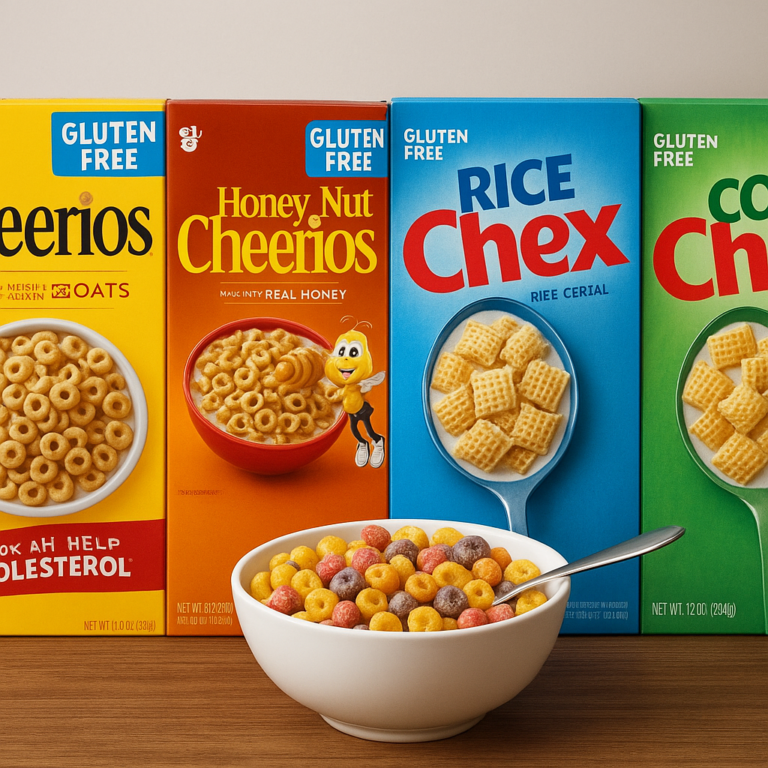
The Daily Meal’s tasting article described Rice Chex as gluten-free and listed a version with 3 grams of sugar per 1⅓-cup serving. Product formulas can change, so verify the current box. Post also identifies Cocoa PEBLES as gluten-free in its 2024 company highlights. Check the package and consult the manufacturer’s allergen or gluten information.
For medically necessary gluten avoidance, the Celiac Disease Foundation offers label-reading guidance.
Best cereals for snacking and recipes
Dry cereal makes an easy desk or road-trip snack, while sturdy pieces can be transformed into no-bake treats. Rice Krispies are the classic choice for marshmallow cereal bars; Fruity PEBLES add color and fruit flavor; Cinnamon Toast Crunch can bring a spiced crunch to dessert recipes.
Post Consumer Brands specifically noted that fans use Fruity PEBLES in treats such as marshmallow crispy treats and cheesecake bites. That’s a fun use, though it moves cereal firmly into treat territory.
Recipe tip: Add cereal toward the end of mixing so delicate flakes and puffs don’t turn into crumbs. For a crunchy topping, sprinkle it on just before serving.
🥛 Choosing a Cereal for Your Taste, Diet, and Routine
The best breakfast cereal is the one that fits your preferences and dietary needs—and that you’ll actually eat. Think about flavor, time, texture, nutrition, and whether you want a quick bowl or a base for a more filling breakfast.
How to compare sugar, fiber, protein, and whole grains
Compare products in this order:
| Label detail | Why it matters | Practical comparison tip |
|---|---|---|
| Serving size | All other nutrition figures depend on it | Compare grams and measure your usual portion |
| Added sugars | Helps distinguish sweetened products | Use the Nutrition Facts label, not front-of-box claims alone |
| Fiber | Can help you compare grain-based options | Compare grams per similar serving weight |
| Protein | Contributes to a more filling meal | Consider adding yogurt, milk, or nuts if needed |
| Sodium | Can vary among cereals | Compare labels, especially if you follow sodium guidance |
| Ingredients | Shows grains, sweeteners, nuts, and other components | Read the full list and allergen statement |
A sweet cereal can still fit someone’s eating pattern, and a high-fiber cereal is not automatically a favorite. The useful question is not “Which cereal is morally superior?” but “Which one fits the breakfast I want?”
Common allergens and dietary considerations
Cereal may contain or be made near wheat, oats, barley, milk, soy, tree nuts, peanuts, or other allergens. Some products also have gluten-related considerations or ingredient differences between flavors.
Before buying:
- Read the ingredient and allergen statements on the exact package.
- Check manufacturer information if you have a serious allergy or celiac disease.
- Don’t rely on an old online listing: formulations and facilities can change.
- Ask a clinician or dietitian for help if you’re managing a diagnosed condition.
The FDA’s food-allergy information explains U.S. labeling requirements for major food allergens.
Serving sizes, milk pairings, and filling breakfast ideas
Cereal’s texture changes with time. Rice Krispies and thin flakes can soften quickly, while denser pieces and some squares hold their crunch longer. If you like crunch, add milk just before eating or serve it on the side.
To make a bowl more substantial:
- Choose a cereal you enjoy.
- Add milk, fortified soy beverage, or yogurt if appropriate for your diet.
- Add fruit such as berries or banana.
- Consider nuts or seeds if they suit your allergy needs.
- Adjust portions according to your appetite and the product’s serving size.
A cereal bowl doesn’t have to be a solo act. Pairing cereal with fruit, yogurt, or another breakfast food can make it more satisfying than simply pouring a larger mountain into the bowl.
🛒 Where to Buy Popular Breakfast Cereal Brands
Popular cereals are commonly sold through supermarket chains, mass retailers, warehouse clubs, and online stores. Selection differs by location, and seasonal or limited-edition flavors can appear and disappear with the mysterious timing of a cereal mascot’s wink.
Grocery stores, warehouse clubs, and online retailers
You can usually find leading brands at major grocers and retailers such as Walmart, Target, and Amazon, though stock varies. Warehouse clubs may carry larger packages or multipacks. Online listings can help you compare ingredients and varieties, but check that the listing matches the exact product and package size you want.
- At a grocery store: convenient for comparing boxes side by side.
- At a warehouse club: useful if your household eats a cereal regularly.
- Online: broad selection, but product photos and listings may be outdated.
- At a discount retailer: availability may vary from visit to visit.
Store brands versus national cereal brands
Store-brand cereal may offer a similar style—such as toasted oat rings or corn flakes—at a different quality, texture, or ingredient profile. That doesn’t guarantee a close match. Compare the ingredient list, serving weight, sugar, fiber, and taste, rather than relying on the front of the box.
Try a smaller package first if you’re unsure. Even a very convincing look-alike is no bargain if it sits untouched because the crunch is wrong.
💸 Why Cereal Costs Can Change
Cereal prices can shift with ingredient costs, manufacturing, transportation, packaging, retailer promotions, and package size. We’re not listing specific prices because they vary by store and over time.
Factors that affect cereal prices and package sizes
The Takeout’s 2024 article reported changes in Amazon cereal prices compared with 2023 for several products. It said prices fell by as much as 12% for Fruity Pebles, Corn Pops, and Quaker cereals, while prices rose for Frosted Flakes (7%), Lucky Charms (8%), and Corn Flakes (16%). Those figures describe the article’s Amazon-based analysis and time period; they shouldn’t be treated as current prices everywhere.
Package sizes matter, too. A box may look like a better deal but contain a different quantity, or a product may be sold in multiple formats. To compare fairly, calculate the cost per ounce or gram using the shelf label or retailer listing.
Practical ways to save on cereal shopping
- Compare unit prices, not package prices alone.
- Check store-brand equivalents, but compare ingredients and serving weight.
- Use coupons and loyalty offers when they apply to a cereal you already buy.
- Choose warehouse-size packages only if you can finish them while fresh.
- Store cereal in a sealed, dry container to preserve crunch.
- Avoid stocking up on a new flavor until you know you like it.
✅ Our Recommended Breakfast Cereals by Category
There’s no one-box winner for every household, so here are our practical picks by purpose:
| Category | Our pick | Why we’d choose it | A sensible caveat |
|---|---|---|---|
| Best all-around mild cereal | Original Cheerios | Familiar, versatile, and a clear leader in the cited Amazon-demand ranking | The ranking is online demand, not a complete national sales count |
| Best sweet-and-crunchy family favorite | Cinnamon Toast Crunch | Bold cinnamon flavor and sturdy pieces | Sweetness is a matter of taste |
| Best fruit-flavored cereal | Froot Lops | A reviewer’s top pick in The Daily Meal’s taste test | Taste-test winner doesn’t mean most nutritious |
| Best texture mix | Honey Bunches of Oats | Crisp flakes and crunchy clusters | Compare varieties, ingredients, and allergens |
| Best bran-and-raisin option | Raisin Bran | Bran flakes and raisins; a reviewer cited meaningful fiber in the version tested | Check sugar and serving size |
| Best for cereal treats | Rice Krispies | Mild flavor and a classic recipe use | Softens quickly in milk |
| Best company-reported Post top seller | Fruity PEBLES | Post listed it as its top-selling cereal in 2024 | Company-reported ranking applies to Post’s own products |
If you’re choosing one box for mixed tastes, Cherios or Honey Bunches of Oats are sensible starting points. If you’re choosing purely for fun, Cinnamon Toast Crunch, Lucky Charms, or Froot Lops may be more exciting. And if you’re comparing nutrition, the label—not the mascot—gets the final word.