Support our educational content for free when you purchase through links on our site. Learn more
Which Is the Richest Brand? Top 10 Giants Revealed (2025) 💰

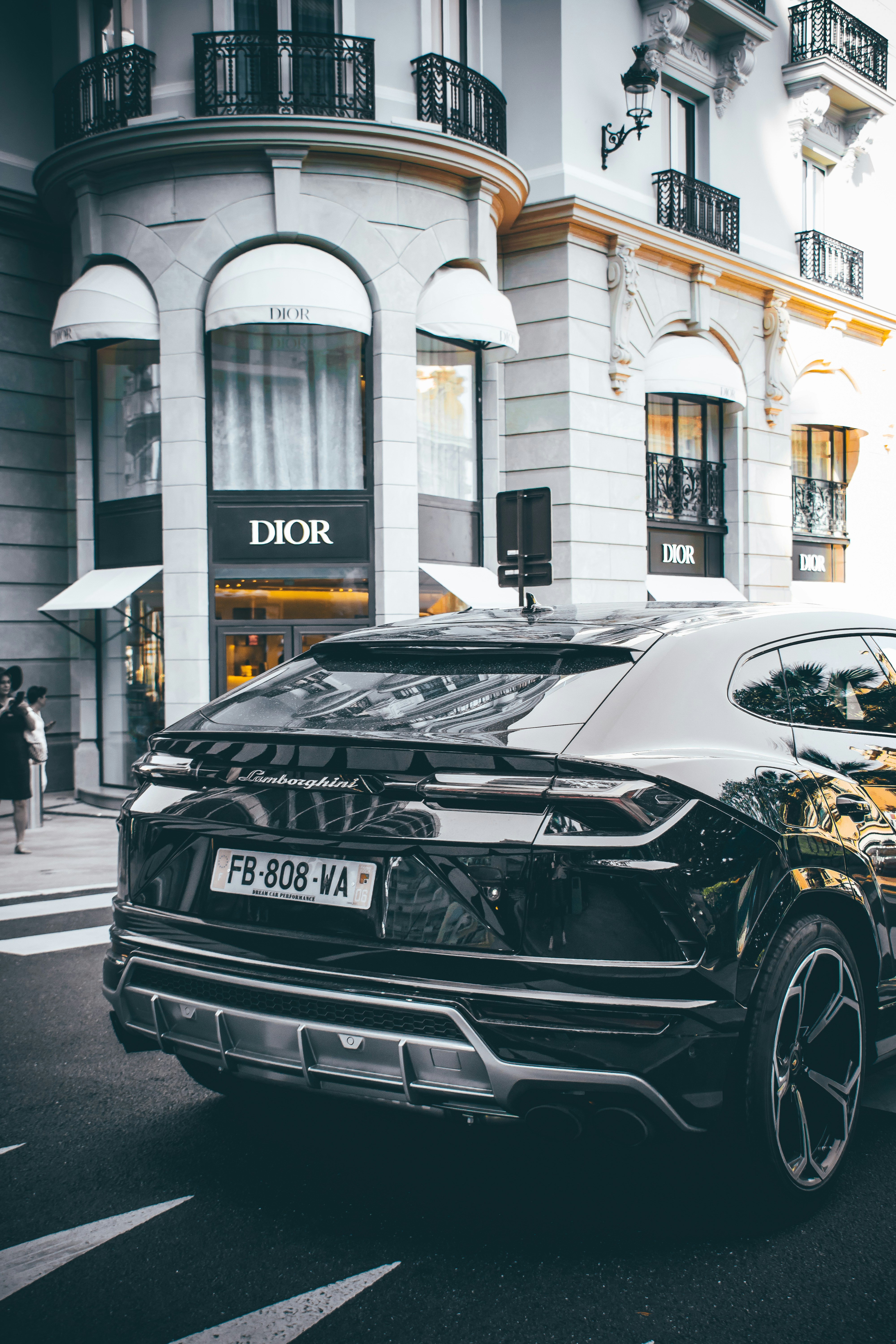
Ever wondered which brand truly rules the world—not just in sales, but in sheer value and influence? Spoiler alert: it’s not just about who’s making the most money today. The richest brand in 2025 is a fascinating mix of innovation, loyalty, and global reach, with tech titans like Apple and Google battling legacy legends like Coca-Cola for the crown. But here’s the kicker: some brands have skyrocketed from obscurity to trillion-dollar status in just a few years, while others have faded into history despite once being household names. Curious how this all shakes out? Stick around as we unpack the latest rankings, reveal surprising contenders, and share insider insights from the brand experts at Popular Brands™.
Did you know Apple’s brand value has more than quintupled since 2020, crossing the trillion-dollar threshold? And that companies like Nvidia are climbing the ranks faster than you can say “artificial intelligence”? We’ll also explore what makes a brand truly “rich” beyond the numbers—think emotional connection, innovation, and purpose. Ready to discover which brands are the real heavyweights and why? Let’s dive in!
Key Takeaways
- Apple currently holds the title of the richest brand in 2025, boasting a brand value exceeding $1.2 trillion, thanks to its seamless ecosystem and loyal fanbase.
- Tech companies dominate the top rankings, with Google, Microsoft, Amazon, and Nvidia leading the pack due to innovation and global reach.
- Brand richness is more than financials—it’s about customer loyalty, storytelling, social impact, and adaptability over time.
- Legacy brands like Coca-Cola and McDonald’s remain powerhouses, proving that emotional connection and consistency build lasting value.
- Disruptors like Tesla and Nvidia are reshaping the landscape, highlighting the importance of innovation in brand wealth.
Explore top products and gear from these iconic brands:
- 👉 Shop Apple products: Amazon | Apple Official Website
- Discover Microsoft software & devices: Amazon | Microsoft Official Website
- Browse Nvidia tech: Amazon | Nvidia Official Website
Dive deeper with Popular Brands™ and stay ahead of the curve in the world of brand wealth!
Table of Contents
- ⚡️ Quick Tips and Facts: Unveiling the Richest Brands at a Glance
- Unpacking the “Richest Brand” Mystery: More Than Just Money in the Bank
- The Global Brand Valuation Powerhouses: Who’s Really on Top?
- Beyond the Billions: What Makes a Brand Truly “Wealthy” in the Long Run?
- Innovation & Disruption: The Future-Proofing Formula for Brand Riches 🚀
- Customer Loyalty & Experience: The Heartbeat of Enduring Brand Wealth ❤️
- Global Reach & Market Dominance: Conquering Continents for Brand Value 🌍
- Brand Purpose & Social Impact: Wealth with a Conscience 🌱
- Marketing & Storytelling: Crafting the Narrative of a Rich Brand 🗣️
- The Ripple Effect: How Brand Value Impacts You, the Consumer
- The Dark Side of Dominance: Challenges for the “Richest” Brands
- Our Expert Take: Popular Brands™ Weighs In on Brand Riches
- Conclusion: The Ever-Evolving Definition of Brand Riches
- Recommended Links: Dive Deeper into Brand Insights
- FAQ: Your Burning Questions About Brand Wealth Answered
- Reference Links: Our Sources for Brand Wisdom
Here at Popular Brands™, we’ve seen brands rise like supernovas and fall like… well, like a cheap lawn chair. So when you ask, “Which is the richest brand?” you’re asking a question that’s part treasure hunt, part Wall Street analysis, and part popularity contest. The answer isn’t just a number; it’s a story of innovation, emotion, and global domination.
Let’s dive in and separate the billionaires from the has-beens!
⚡️ Quick Tips and Facts: Unveiling the Richest Brands at a Glance
In a hurry? We get it. Here’s the cheat sheet on brand wealth. While you’re here, you might also be wondering, What Is the Number 1 Leading Brand? Top Contenders in 2025 👑, which is a fantastic deep dive into the contenders for the top spot.
- The Trillion-Dollar Club is Real: For the first time, a brand’s value has crossed the one-trillion-dollar mark. Yes, you read that right. One brand is now valued higher than the GDP of countries like Switzerland or Argentina. Mind-boggling!
- Tech Reigns Supreme: The top of the list is a “who’s who” of Silicon Valley. These companies aren’t just selling products; they’re selling ecosystems that we live in every day.
- It’s Not Just About Profit: Brand value is a tricky beast. It’s a mix of financial performance, customer love, and its power to make you choose one product over another. It’s an intangible asset that’s worth very tangible money.
- Legacy Brands Still Pack a Punch: Don’t count out the old guard! Brands like Coca-Cola and McDonald’s have shown incredible staying power, proving that a strong emotional connection can be just as valuable as the latest microchip.
Here’s a quick look at the heavy hitters, based on the latest Kantar BrandZ report, which is one of the most respected analyses in the game.
| Rank | Brand | 2025 Brand Value (in Millions USD) | Key to Their “Richness” |
|---|---|---|---|
| 1 | 🍎 Apple | $1,299,655 | Ecosystem lock-in, premium design, fierce loyalty |
| 2 | $944,137 | Dominance in search, advertising, and data | |
| 3 | 💻 Microsoft | $884,816 | Enterprise software, cloud computing (Azure), AI |
| 4 | 📦 Amazon | $866,118 | E-commerce giant, AWS cloud services, logistics |
| 5 | 🍔 McDonald’s | $221,079 | Global consistency, real estate, brand recognition |
Unpacking the “Richest Brand” Mystery: More Than Just Money in the Bank
So, you saw the table above and thought, “Case closed, Apple wins!” Hold your horses. The number on a spreadsheet is just the beginning of the story. What does “brand value” even mean? Is it a dragon’s hoard of gold coins in a vault somewhere? Not quite.
What Defines a Truly “Rich” Brand? Beyond the Balance Sheet 💰
Think of a brand’s value as its reputation bank account. It’s the sum of every experience, advertisement, and product you’ve ever encountered from that company. It’s the reason you’re willing to pay a premium for a Nike swoosh on your athletic clothing or trust that a box from Amazon will arrive on time.
This “richness” is built on a few key pillars:
- Financial Performance: ✅ Yes, how much money the branded products or services make is a huge factor. No profit, no power.
- Brand Contribution: ✅ This is the magic part. It’s how much the brand itself influences a customer’s decision to buy. It’s the gut feeling, the trust, the “I just like it more” factor.
- Brand Strength: ✅ This measures the brand’s ability to create loyalty and, therefore, sustainable demand and profit into the future. It’s about being future-proof.
A truly rich brand has a powerful combination of all three. It makes money, it influences your choices, and it has a loyal following that will stick with it through thick and thin.
The Elusive Nature of Brand Value: Why It’s Not So Simple 🤔
Now, here’s where it gets messy. If you look up the “richest brand,” you’ll find different lists from Kantar, Interbrand, and Brand Finance, all with slightly different rankings and wildly different numbers. Why?
Because, as Wikipedia rightly points out, “no single metric exists” for determining brand value. Each of these expert firms uses its own secret sauce—a unique methodology to calculate that final number.
- Kantar BrandZ heavily weighs consumer interviews and perception. They believe the value of a brand exists in the mind of the consumer.
- Interbrand uses a formula that analyzes financial performance, the role the brand plays in purchase decisions, and the brand’s overall strength.
- Brand Finance uses a “royalty relief” method, which estimates the net economic benefit the brand owner would achieve by licensing the brand in the open market.
So, who is right? They all are, in their own way. It’s like asking three art critics to value the Mona Lisa. They’ll all agree it’s priceless, but they’ll give you different numbers based on what they value most: historical significance, artistic technique, or cultural impact.
The Global Brand Valuation Powerhouses: Who’s Really on Top?
Alright, let’s put on our analyst hats and break down the major league rankings. This is where the titans of industry clash for the ultimate bragging rights.
1. 📊 Kantar BrandZ: The Brand Equity Barometer (2025 Insights)
Kantar’s approach is all about you, the consumer. They conduct millions of interviews to understand how people feel about brands, making their list a powerful measure of brand equity.
Kantar’s Top 5 Most Valuable Global Brands (2025):
| Rank | Brand | Value (in Millions USD) | Our Take |
|---|---|---|---|
| 1 | 🍎 Apple | $1,299,655 | The master of creating a world you never want to leave. |
| 2 | $944,137 | The answer to everything, and a money-printing ad machine. | |
| 3 | 💻 Microsoft | $884,816 | The quiet giant that powers the world’s businesses. |
| 4 | 📦 Amazon | $866,118 | The everything store that knows what you want before you do. |
| 5 | 🍔 McDonald’s | $221,079 | A masterclass in consistency and global brand recognition. |
One of the biggest stories from recent rankings is the meteoric rise of Nvidia. Fueled by the AI boom, it rocketed into the top 10, proving that the brands powering the future are becoming incredibly rich, incredibly fast.
2. 🌐 Interbrand Best Global Brands: Measuring Influence & Impact (2024 Edition)
Interbrand has been doing this for a quarter of a century, so they’ve seen it all. Their list is a benchmark for financial performance and brand influence.
A fascinating insight from their 25th-anniversary report is the cost of short-sightedness. They argue that a relentless focus on “operational efficiencies and short-term gains has cost the world’s most valuable brands $US 3.5 trillion in cumulative brand value.” Ouch. It’s a powerful reminder that a brand is a long-term asset, not just a line on a quarterly report.
Interbrand’s Top 5 Best Global Brands (2024):
| Rank | Brand | Value (in Millions USD) | Our Take |
|---|---|---|---|
| 1 | 🍎 Apple | $488,900 | Still the king, but notice the different valuation? Methodology matters! |
| 2 | 💻 Microsoft | $352,500 | Leapt over Google in this ranking, showing its enterprise strength. |
| 3 | 📦 Amazon | $298,100 | A consistent top-tier player in every list. |
| 4 | $291,300 | Still a behemoth, but facing fierce competition. | |
| 5 | 🍔 McDonald’s | $53,000 | A testament to enduring brand power outside of tech. |
The most incredible stat from Interbrand? Only Microsoft and Coca-Cola have remained in the Top 10 consistently for all 25 years of the report. That’s brand royalty, folks.
3. 📈 Brand Finance Global 500: The Strength & Value Scorecard (2025 Projections)
Brand Finance adds another layer with its “Brand Strength Index” (BSI), which scores brands on factors like marketing investment, stakeholder equity, and business performance. It’s a bit like a credit score for brands.
Brand Finance’s Top 5 Most Valuable Brands (2025):
| Rank | Brand | Value (in Millions USD) | Brand Strength |
|---|---|---|---|
| 1 | 🍎 Apple | $574,510 | AAA+ |
| 2 | 💻 Microsoft | $461,069 | AAA+ |
| 3 | $412,981 | AAA+ | |
| 4 | 📦 Amazon | $308,926 | AAA+ |
| 5 | 📱 Samsung | $99,368 | AAA |
Here, we see Samsung cracking the top 5, a position it doesn’t hold on the other lists. This highlights their immense global strength in consumer electronics, from phones to TVs to refrigerators.
4. 💼 Forbes World’s Most Valuable Brands: A Historical Snapshot (2020 & Beyond)
While Forbes hasn’t updated its specific “Most Valuable Brands” list since 2020, it serves as a fantastic time capsule. Looking at their 2020 data shows just how explosive the growth has been.
Forbes Top 5 (2020):
- Apple: $241.2B
- Google: $207.5B
- Microsoft: $162.9B
- Amazon: $135.4B
- Facebook (now Meta): $70.3B
Look at Apple’s value in 2020 versus 2025. It has more than quintupled in just five years according to some estimates! This isn’t just growth; it’s a paradigm shift in how much value a single brand can command.
5. ⏳ The Enduring Legacy: Most Valuable Brands Over Time – A Historical Perspective
Let’s fire up the time machine and go back to the year 2000, using Interbrand’s first-ever list. The landscape was… different.
Top 5 Brands in 2000:
- Coca-Cola: $72.5B
- Microsoft: $70.2B
- IBM: $53.2B
- Intel: $39.0B
- Nokia: $38.5B
Where is Apple? It wasn’t even in the top 100. Google was just a toddler. And Nokia… oh, Nokia. At the turn of the millennium, they were the undisputed king of mobile phones. Their brand was synonymous with innovation and durability. Today, they are a cautionary tale, a ghost in the brand machine, having disappeared from the rankings entirely. It’s a stark reminder that no brand, no matter how rich or powerful, is too big to fail.
Beyond the Billions: What Makes a Brand Truly “Wealthy” in the Long Run?
Being the richest brand today is great, but staying rich is the real challenge. It requires more than just a great product or a clever ad campaign. It requires a deep, almost obsessive focus on the things that build lasting value.
Innovation & Disruption: The Future-Proofing Formula for Brand Riches 🚀
The graveyard of brands is filled with companies that failed to innovate. Kodak invented the digital camera but failed to embrace it. Blockbuster laughed at Netflix. The richest brands are relentless innovators.
- Apple didn’t invent the MP3 player or the smartphone, but they perfected the user experience with the iPod and iPhone, changing the world in the process.
- Tesla didn’t just build an electric car; they built a desirable, high-performance tech product on wheels, forcing the entire auto industry to follow.
Customer Loyalty & Experience: The Heartbeat of Enduring Brand Wealth ❤️
The richest brands don’t just have customers; they have fans, advocates, and sometimes, a full-blown cult following. This loyalty is forged through exceptional customer experience.
- Starbucks turned a simple cup of coffee into an affordable luxury and a “third place” between home and work.
- Harley-Davidson sells more than motorcycles; it sells a rebellious identity and a community. It’s not just a vehicle; it’s a lifestyle.
Global Reach & Market Dominance: Conquering Continents for Brand Value 🌍
You can’t be a trillion-dollar brand by only selling in one country. The richest brands are global behemoths that have mastered the art of scaling while adapting to local tastes.
- McDonald’s is the gold standard. You can get a Big Mac almost anywhere in the world, but you can also find a McSpicy Paneer in India or a Teriyaki McBurger in Japan.
- Even a B2B-focused food company like Rich’s, as noted on their website, emphasizes their global reach with dedicated operations across Asia, showing that global thinking is key to success in any industry.
Brand Purpose & Social Impact: Wealth with a Conscience 🌱
In today’s world, consumers, especially younger ones, want to buy from brands that stand for something more than profit. A strong purpose can be a powerful differentiator.
- Patagonia has built immense brand wealth by putting the planet first, even famously telling customers “Don’t Buy This Jacket.” Their commitment to environmentalism has earned them a fiercely loyal following who proudly wear their gear, including their iconic backpacks.
- Dove‘s “Campaign for Real Beauty” was a game-changer, connecting with millions of women by challenging unrealistic beauty standards.
Marketing & Storytelling: Crafting the Narrative of a Rich Brand 🗣️
Facts tell, but stories sell. The richest brands are master storytellers. They don’t just sell you a product; they sell you a piece of a larger narrative.
- Nike‘s “Just Do It” is more than a slogan; it’s a call to action that taps into the universal human desire for self-improvement and achievement.
- Coca-Cola has spent over a century associating its drink with happiness, togetherness, and celebration. You’re not just buying sugar water; you’re “opening happiness.”
The Ripple Effect: How Brand Value Impacts You, the Consumer
You might be thinking, “This is all fascinating, but what does Apple’s trillion-dollar valuation have to do with me?” More than you think! The wealth of these brands has a direct impact on your life.
Quality Assurance & Trust: The Comfort of a Known Name ✅
A strong brand is a mental shortcut. When you buy a pair of Bose headphones or a Sony television, you’re not just buying the physical item. You’re buying an implicit promise of quality, customer service, and reliability. That trust is a core component of the brand’s value, and it gives you, the consumer, peace of mind. It’s why we have entire categories dedicated to reviewing audio equipment—to help you know which brands live up to that promise.
Innovation & Choice: Driving Progress for Consumers 💡
The fierce competition between rich brands is fantastic for you. The constant battle between Apple’s iOS and Google’s Android has led to incredible advancements in smartphone technology at a blistering pace. The rivalry between Ford and GM as they chase Tesla is accelerating the transition to electric vehicles. Their fight for market share and brand dominance fuels the innovation that puts better, faster, and smarter products in your hands.
Investment & Economic Impact: Beyond Your Shopping Cart 🛒
These mega-brands are pillars of the global economy. They employ millions of people, drive stock markets, and fund the retirement accounts of many more. The success and “richness” of these brands have a far-reaching economic ripple effect that touches nearly everyone, whether you’re an employee, an investor, or just a consumer.
The Dark Side of Dominance: Challenges for the “Richest” Brands
It’s not all champagne and stock options at the top. Being the richest and most powerful brand comes with a unique set of challenges and a massive target on your back.
Maintaining Relevance in a Shifting Landscape 🌪️
The biggest threat to a dominant brand is complacency. The world changes fast, and what made you rich can quickly become obsolete. Just ask Nokia or IBM. Today’s giants like Meta (Facebook) are spending billions to pivot to the metaverse, terrified of missing the next big shift in how we interact online.
Navigating Scrutiny & Public Perception 🧐
With great power comes great scrutiny. The richest brands are constantly under the microscope from governments, activists, and the public. Amazon faces criticism over labor practices, Google and Apple face antitrust lawsuits over their app store dominance, and nearly all of them face questions about data privacy and their environmental impact. Managing this public perception is a full-time, high-stakes battle.
The Pressure to Innovate Constantly ⚙️
When you’re Apple, the world doesn’t just want a new iPhone; they expect a magical new iPhone every single year. The pressure to constantly top your last success is immense. A single “boring” product launch can send stock prices tumbling and invite whispers that the brand has lost its edge. It’s a relentless treadmill of innovation that is exhausting and expensive to maintain.
Our Expert Take: Popular Brands™ Weighs In on Brand Riches
After years of reviewing, analyzing, and living with these brands, we’ve developed a pretty sharp sense of what makes a brand truly “rich” beyond the dollar signs.
What We’ve Learned from Decades of Brand Watching 🕵️♀️
Here’s the bottom line from our team: Brand wealth is a measure of resilience. It’s not about being the hottest brand of the moment; it’s about having the financial muscle, the customer love, and the innovative spirit to survive storms and stay relevant for decades.
We’ve seen fads come and go. I personally remember when owning a BlackBerry was the ultimate status symbol. It felt invincible. And then, in what felt like an instant, the iPhone made it look like a relic. That’s the lesson we at Popular Brands™ never forget: connection and adaptation are the ultimate currencies.
Our Top Picks for Brands with Enduring Value (and why!) ✨
If we had to bet on which brands will still be “rich” in 20 years, we wouldn’t just look at the top of today’s list. We’d look for these archetypes of enduring value:
- The Ecosystem King 👑 – Apple: They are the masters of this. Once you’re in their world of iPhones, MacBooks, and Apple Watches, everything just works. That seamless integration creates a powerful lock-in that is incredibly difficult for competitors to break. It’s a beautiful, expensive, and brilliantly designed prison.
- The Timeless Storyteller 📖 – Coca-Cola: For over 100 years, they’ve sold one thing: happiness. The product has barely changed, but their ability to weave their brand into the fabric of global culture is unmatched. They prove that a powerful emotion is the most durable asset of all.
- The Quiet Behemoth 🐘 – Microsoft: Everyone wrote them off in the 2000s as a boring legacy company. But under new leadership, they executed one of the most brilliant pivots in corporate history, dominating the cloud with Azure and becoming an indispensable partner to nearly every business on the planet. They are a masterclass in reinvention.
- The Category Creator 🚀 – Tesla: While their future is still being written, no one can deny that Tesla single-handedly made electric cars cool and desirable. They created a market where there wasn’t one, forcing every other automaker to play catch-up. That kind of disruptive power creates immense brand value, even if it comes with a lot of volatility.
Conclusion: The Ever-Evolving Definition of Brand Riches
So, which is the richest brand? The answer is as dynamic as the brands themselves. Apple currently holds the crown across multiple valuation giants like Kantar, Interbrand, and Brand Finance, boasting a brand value that surpasses a trillion dollars. But as we’ve explored, brand richness is not just about the numbers—it’s about innovation, customer loyalty, global reach, and purpose.
The richest brands are those that adapt relentlessly, tell compelling stories, and connect emotionally with consumers worldwide. From Apple’s seamless ecosystem to Coca-Cola’s timeless happiness narrative, these brands have mastered the art of staying relevant and valuable across decades.
If you’re wondering about the future, keep an eye on disruptors like Tesla and Nvidia, who are rapidly climbing the ranks by redefining entire industries. Meanwhile, legacy giants like Microsoft and McDonald’s remind us that consistent reinvention and deep-rooted customer trust are equally powerful.
At Popular Brands™, we confidently recommend keeping these brands on your radar—not just as consumers but as students of business brilliance. Their stories are lessons in resilience, creativity, and the power of connection.
Recommended Links: Dive Deeper into Brand Insights
Ready to explore these brands and their products yourself? Check out these shopping and resource links:
- Apple Products: Amazon | Walmart | Apple Official Website
- Google Devices & Services: Amazon | Google Official Website
- Microsoft Software & Hardware: Amazon | Microsoft Official Website
- Amazon Shopping & Devices: Amazon | Amazon Official Website
- McDonald’s Merchandise & Info: McDonald’s Official Website
- Nvidia Graphics Cards & Tech: Amazon | Nvidia Official Website
- Tesla Vehicles & Accessories: Tesla Official Website
- Coca-Cola Products: Amazon | Coca-Cola Official Website
- Rich’s Food Solutions: Rich’s Official Website
Books to deepen your brand knowledge:
- “The 22 Immutable Laws of Branding” by Al Ries and Laura Ries — Amazon Link
- “Building a StoryBrand” by Donald Miller — Amazon Link
- “Brand Gap” by Marty Neumeier — Amazon Link
FAQ: Your Burning Questions About Brand Wealth Answered
What are the top 10 richest brands in the world?
The top 10 richest brands fluctuate slightly depending on the valuation source, but consistently, the following brands dominate:
- Apple
- Microsoft
- Amazon
- Samsung
- Nvidia
- Coca-Cola
- McDonald’s
- Tesla
- Facebook (Meta)
These brands combine massive financial performance with strong consumer loyalty and global influence. For the most current and detailed rankings, check out Kantar BrandZ, Interbrand, and Brand Finance.
How do brands become the richest and most valuable globally?
Brands become the richest by excelling in several key areas:
- Financial Success: Strong revenue and profit margins provide the foundation.
- Customer Loyalty: Repeat customers and brand advocates create sustainable demand.
- Innovation: Continuously improving products and services keeps the brand relevant.
- Global Reach: Expanding into new markets increases brand visibility and sales.
- Emotional Connection: Brands that resonate emotionally tend to command premium pricing and loyalty.
- Effective Marketing: Storytelling and consistent messaging build brand equity over time.
It’s a complex interplay of these factors, and brands that master them create enormous intangible value.
Which industry has the most richest brands and why?
The technology sector dominates the richest brand lists. Why? Because tech companies create ecosystems that lock in users and generate recurring revenue streams. They innovate rapidly, scale globally with ease, and influence daily life profoundly.
Brands like Apple, Google, Microsoft, Amazon, and Nvidia illustrate this perfectly. Their products and services are embedded in everything from communication to entertainment to business operations. The consumer goods sector, with brands like Coca-Cola and McDonald’s, also remains strong due to their global footprint and emotional connections.
What are the key factors that contribute to a brand’s wealth and success?
Key factors include:
- Brand Strength: How well the brand is perceived and trusted.
- Market Position: Leadership or dominance in its category.
- Innovation Capability: Ability to adapt and lead change.
- Customer Experience: Delivering consistent, positive interactions.
- Purpose & Values: Aligning with social causes and consumer values.
- Financial Performance: Revenue, profitability, and growth.
Brands that balance these factors effectively build long-term wealth and resilience.
Reference Links: Our Sources for Brand Wisdom
- Kantar BrandZ 2025 Report
- Interbrand Best Global Brands 2024
- Brand Finance Global 500 2025
- Forbes World’s Most Valuable Brands 2020
- Wikipedia: List of Most Valuable Brands
- Rich Products Corporation: HOME
- Apple Official Website
- Google Official Website
- Microsoft Official Website
- Amazon Official Website
- McDonald’s Official Website
- Nvidia Official Website
- Tesla Official Website
- Coca-Cola Official Website
We hope this deep dive into the richest brands has given you a fresh perspective on what it really means to be “rich” in the brand world. Whether you’re a consumer, investor, or brand enthusiast, understanding these dynamics helps you appreciate the stories behind the logos we see every day. Stay curious, and keep exploring with Popular Brands™!